


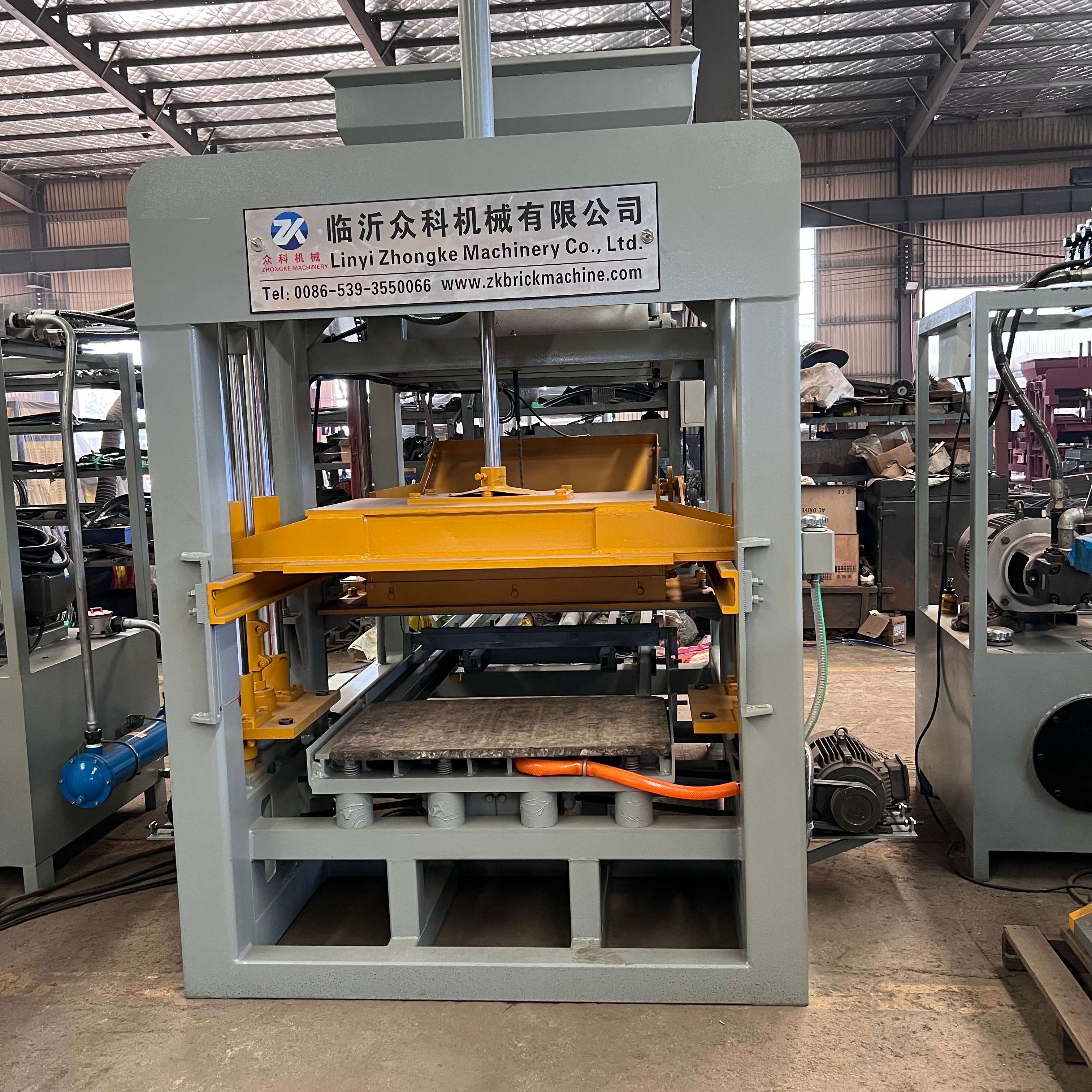
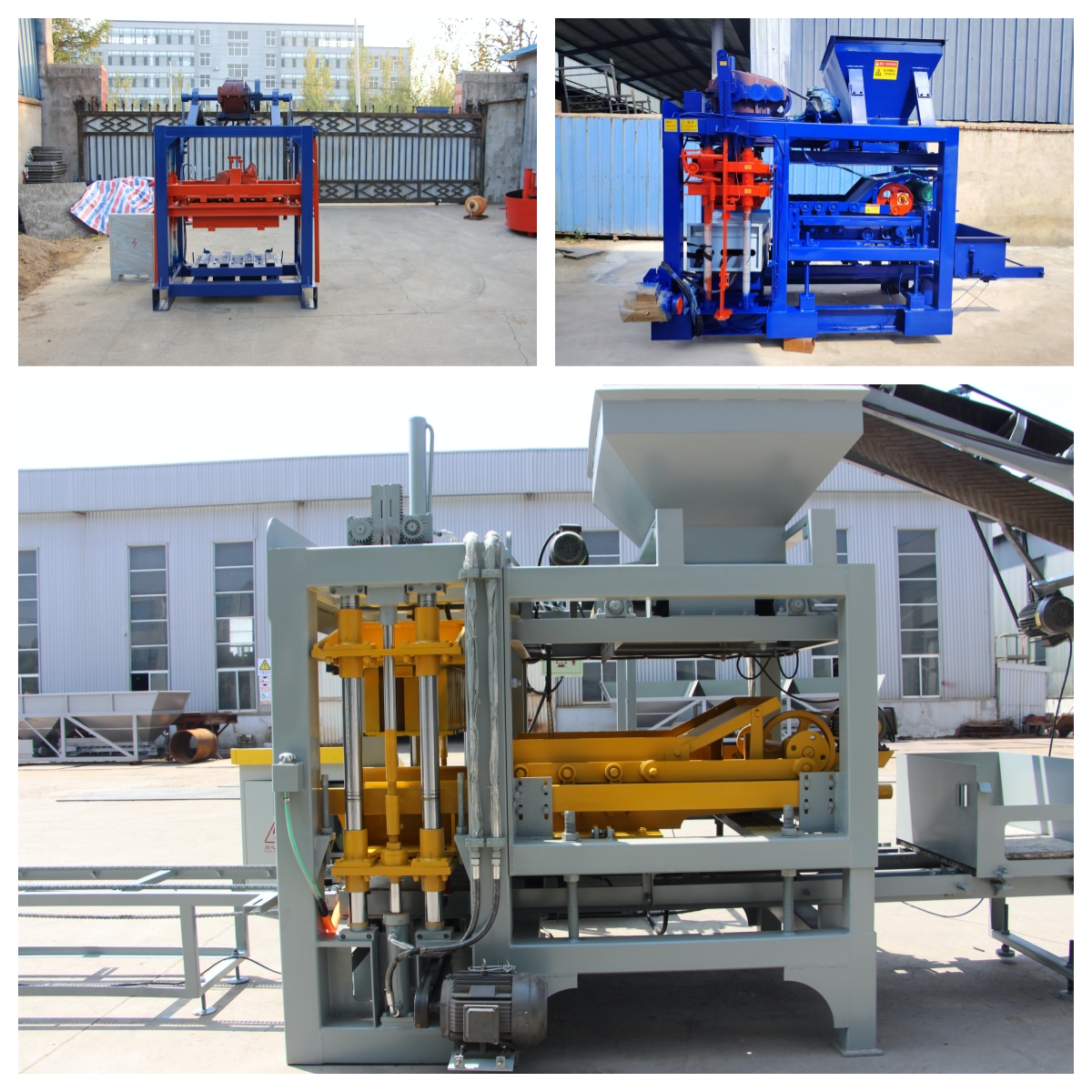
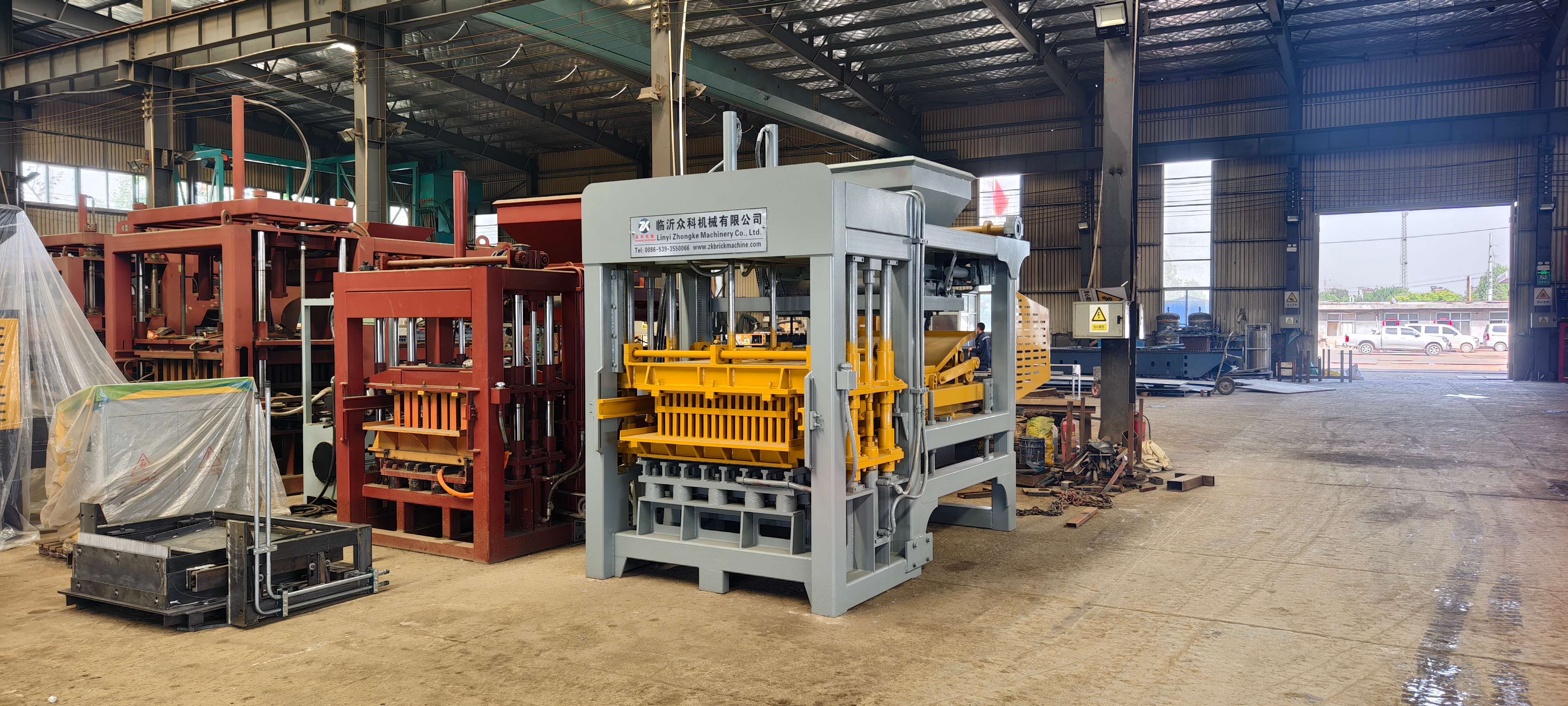

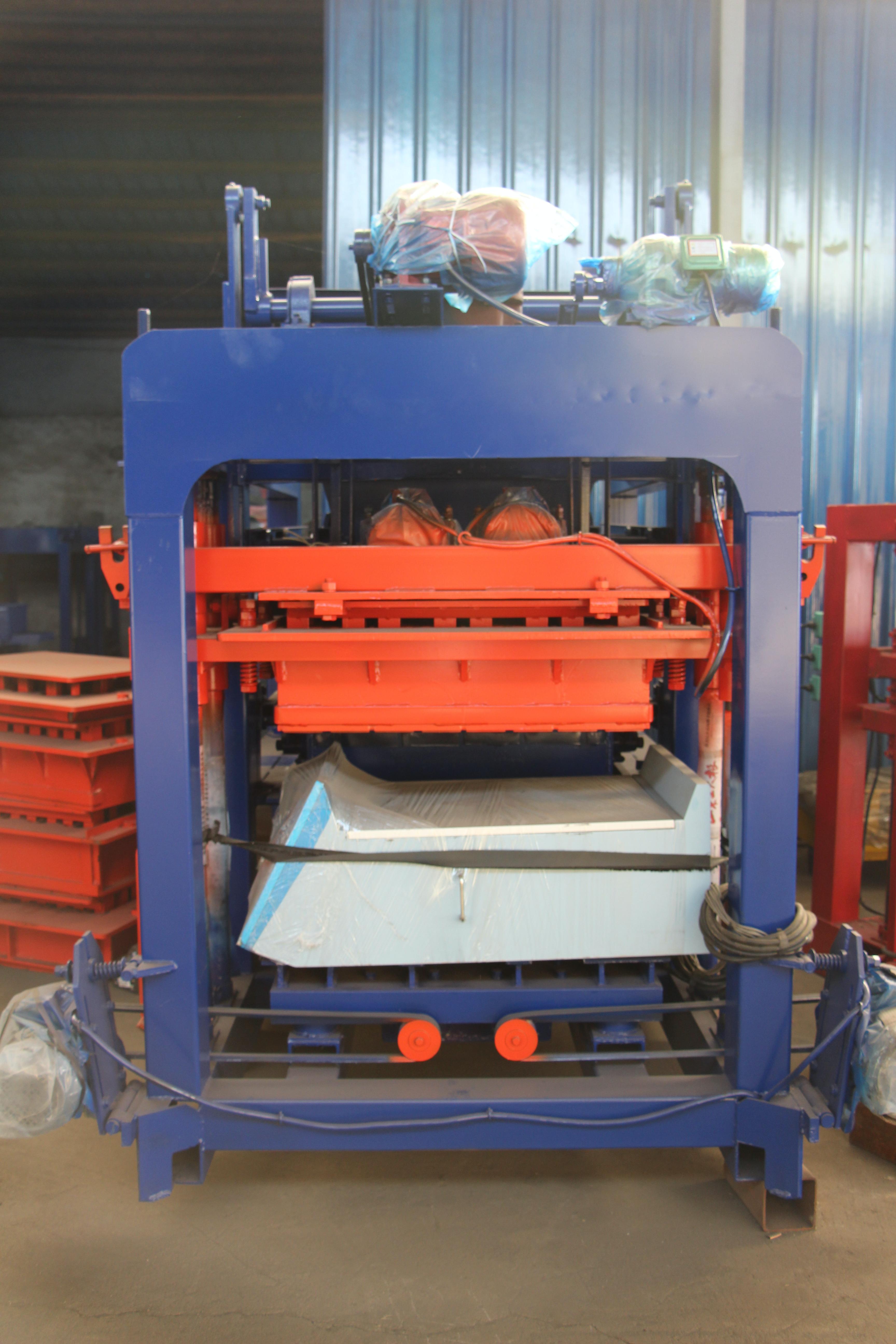

What is a no-fired brick machine? How does a no-fired brick machine work?
What is a no-fired brick machine? How does a no-fired brick machine work?
As its name suggests, a no-fired brick machine produces bricks without a firing process. Unlike traditional bricks that require high-temperature firing in a kiln, no-fired bricks are formed by pressing appropriately proportioned raw materials into shape under pressure. However, relying solely on pressure can result in poorly formed bricks. Therefore, the moisture content of the raw materials and the curing of the bricks are crucial. Even slight imbalances in the proportions will lead to substandard brick quality.
For example, adding too much water will cause the bricks to stick to the mold, making demolding difficult and resulting in poor edge strength. Adding too little water will cause the material to be loose and sticky, leading to cracked and insufficiently compacted bricks. This significantly reduces the yield rate of the finished product.
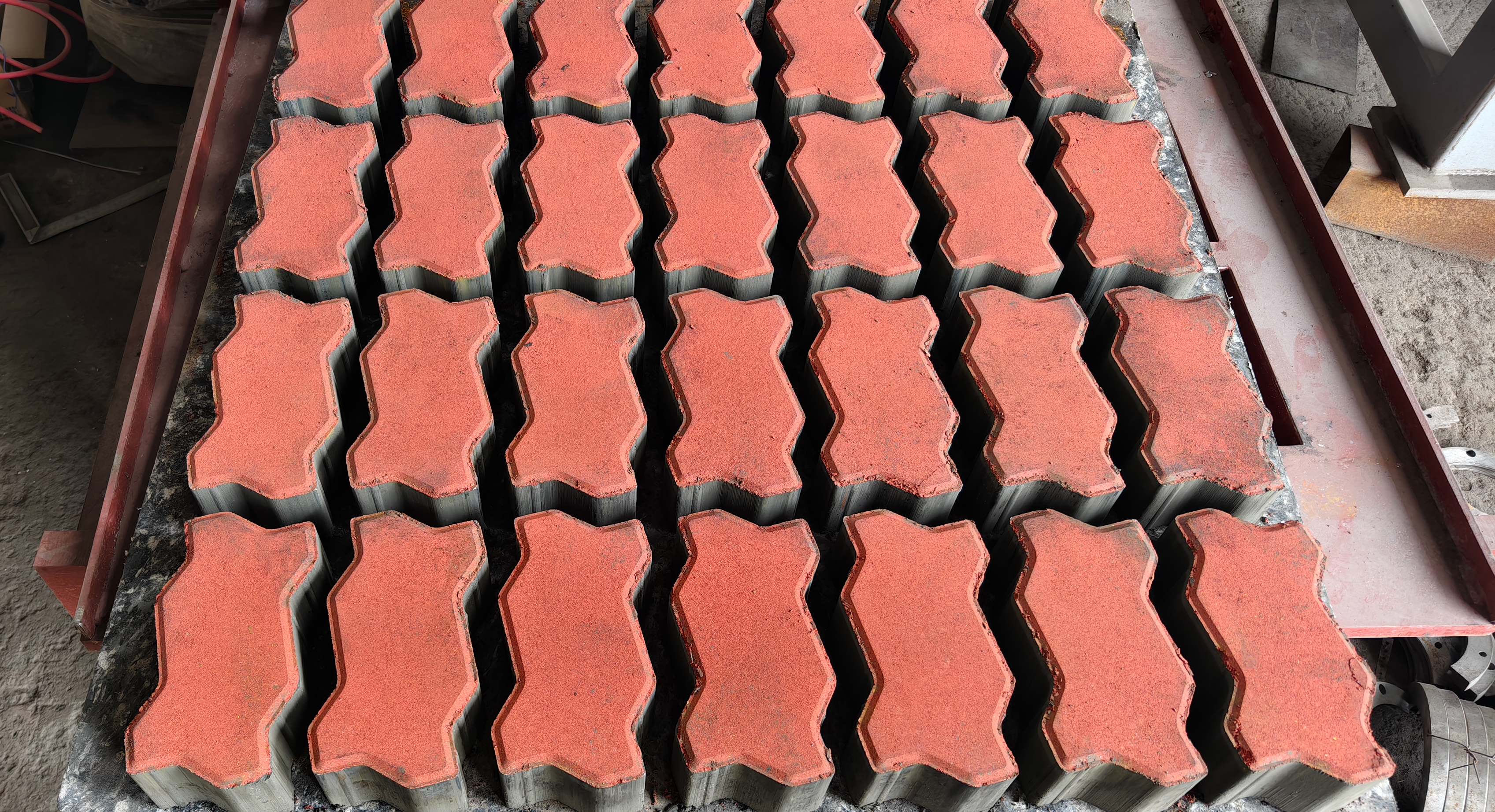
The final step in brick making is curing. Bricks are typically placed on pallets and continuously sprayed with water to keep them moist. This is because cement and water undergo a hydration reaction to harden and develop strength. Newly formed bricks contain internal moisture; if exposed to continuous wind and sun, the hydration reaction is interrupted, leading to shrinkage cracks on the surface, a significant decrease in strength, and increased susceptibility to breakage and chipping.
The cement water curing cycle at room temperature is generally 7 days for moisture retention, reaching the designed final strength in 28 days. The first 3 days are critical; moisture must be maintained.
Cure and drying are two distinct stages: cement-stabilized bricks require curing to complete the hydration reaction; high-clay products primarily undergo controlled moisture dehydration. The European Commission's "Best Feasible Technology Reference Document for Ceramic Manufacturing" indicates that drying is an energy-intensive process, consuming approximately 0.8–1.5 GJ per ton of product, depending on moisture content and equipment. While the no-fired process eliminates kiln fuel, fans, heaters, and transfer devices still consume electricity.
Watering Requirements: Keep the brick surface moist, but avoid soaking in large amounts of water (to prevent surface cement slurry loss and sand formation); increase watering frequency in hot weather.
Prohibitions: Avoid direct sunlight and strong winds during the early stages of molding. If placed outdoors, cover with plastic film.
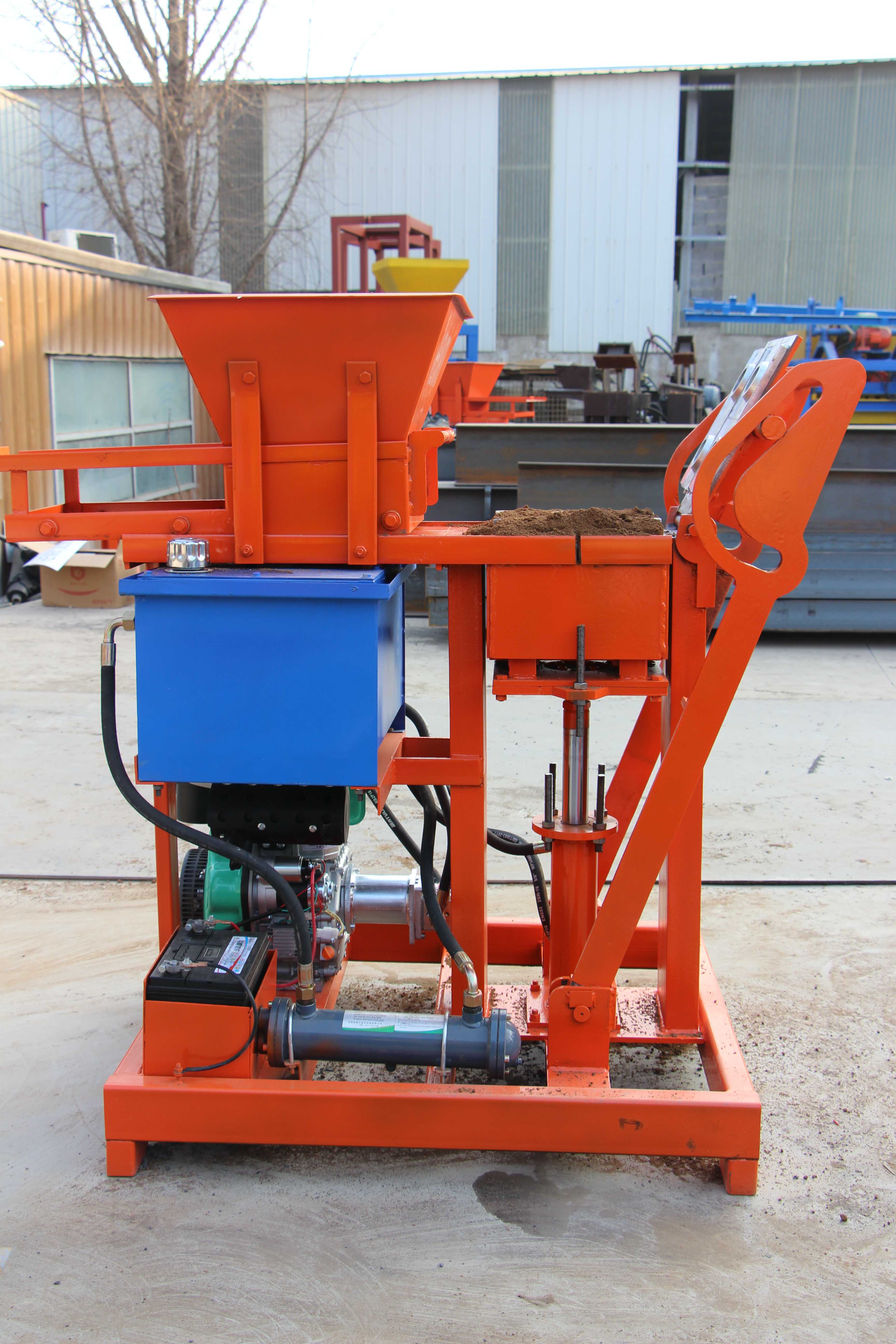
This type of non-fired brick machine eliminates the need for firing and produces no smoke, but it still consumes electricity or diesel fuel.
Compared to traditional brick firing, it is more environmentally friendly and reduces pollution.
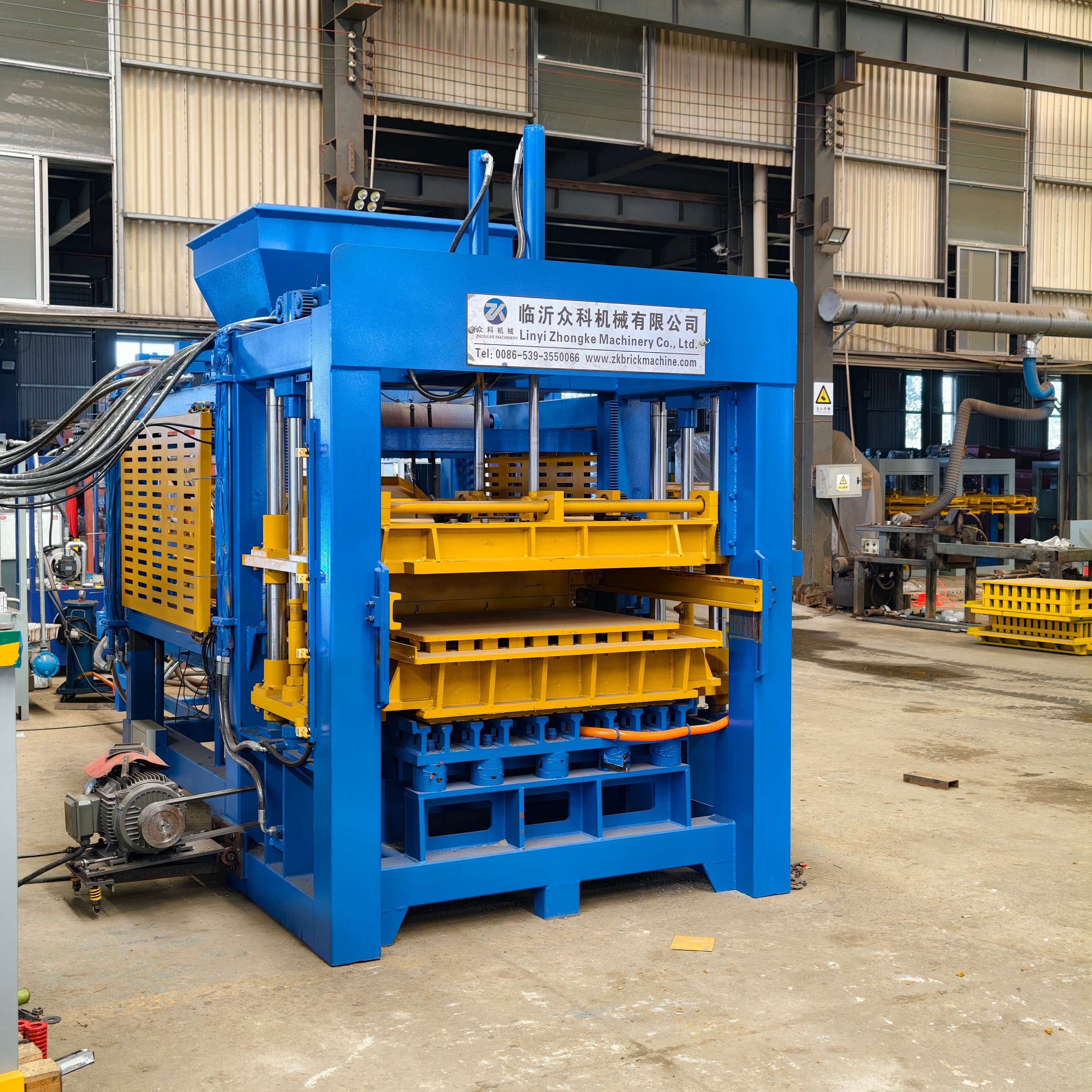
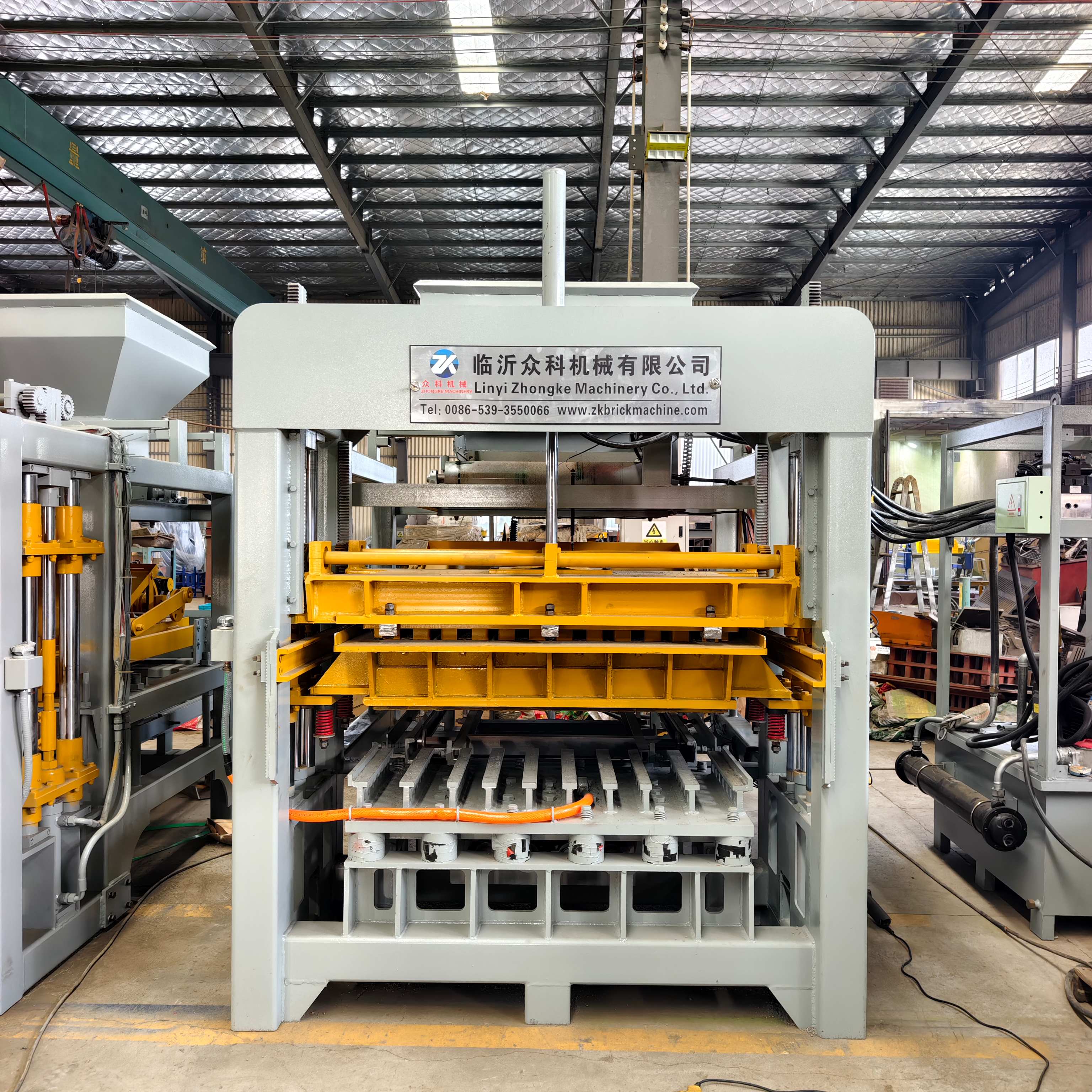
The quality of a brick machine depends not only on the pressing power but also on the size and thickness of the brick mold and the materials used. A trial run is necessary before shipment to check the integrity of the brick edges and the strength of the pressing power.
The raw materials for this type of non-fired brick machine typically include fly ash, slag, stone powder, recycled concrete aggregate, and construction waste. Each raw material has different properties, requiring adjustments to the mixing ratio based on its specific characteristics.
If professional testing equipment is unavailable, a handful of material can be squeezed tightly; it should form a brick without any free water seeping out. This method is for on-site reference only and cannot replace laboratory testing.
Non-fired brick making machines have a wide range of applications: building construction, park walkway bricks, sidewalks, water conservancy projects, municipal engineering, etc.
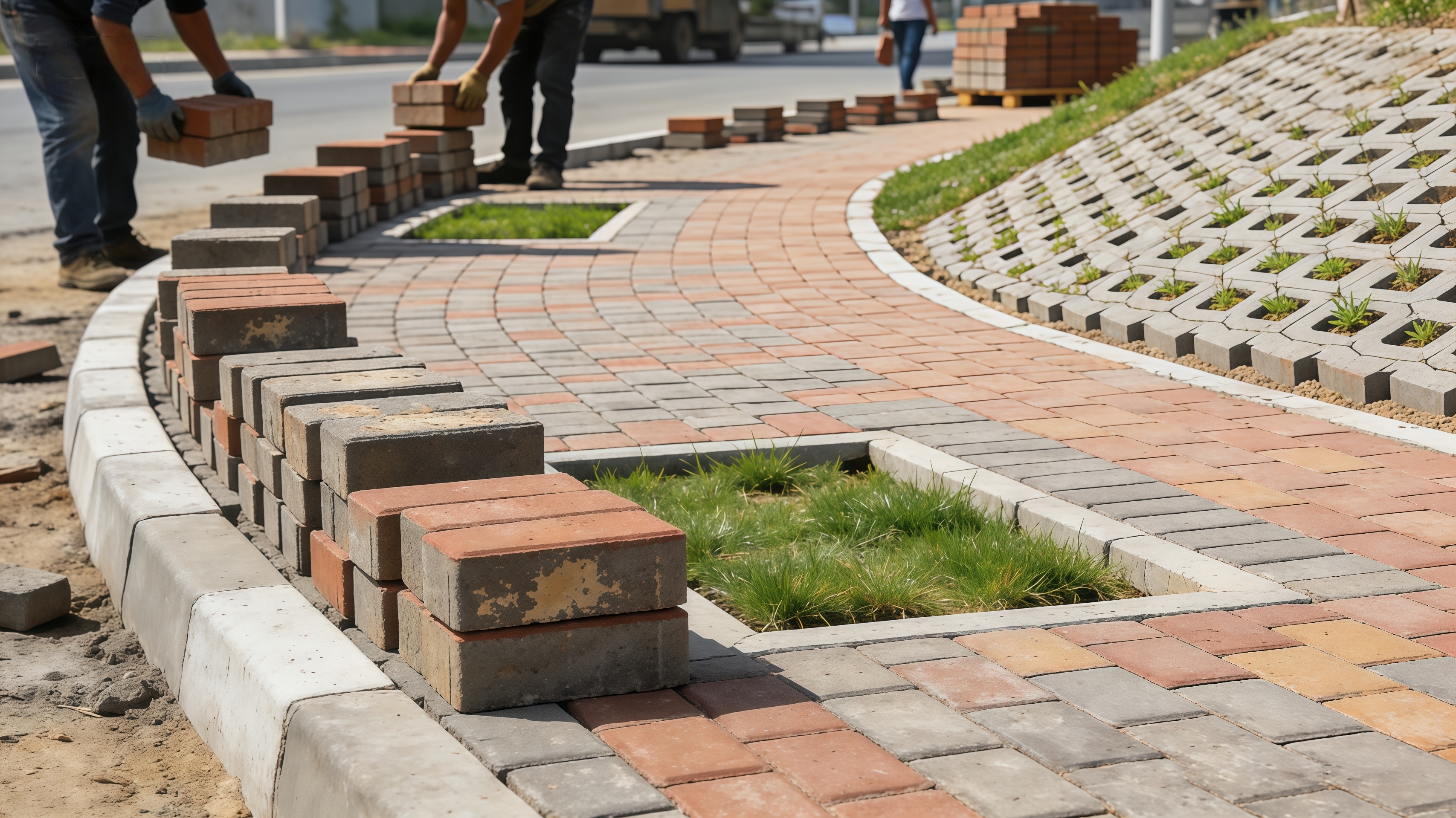
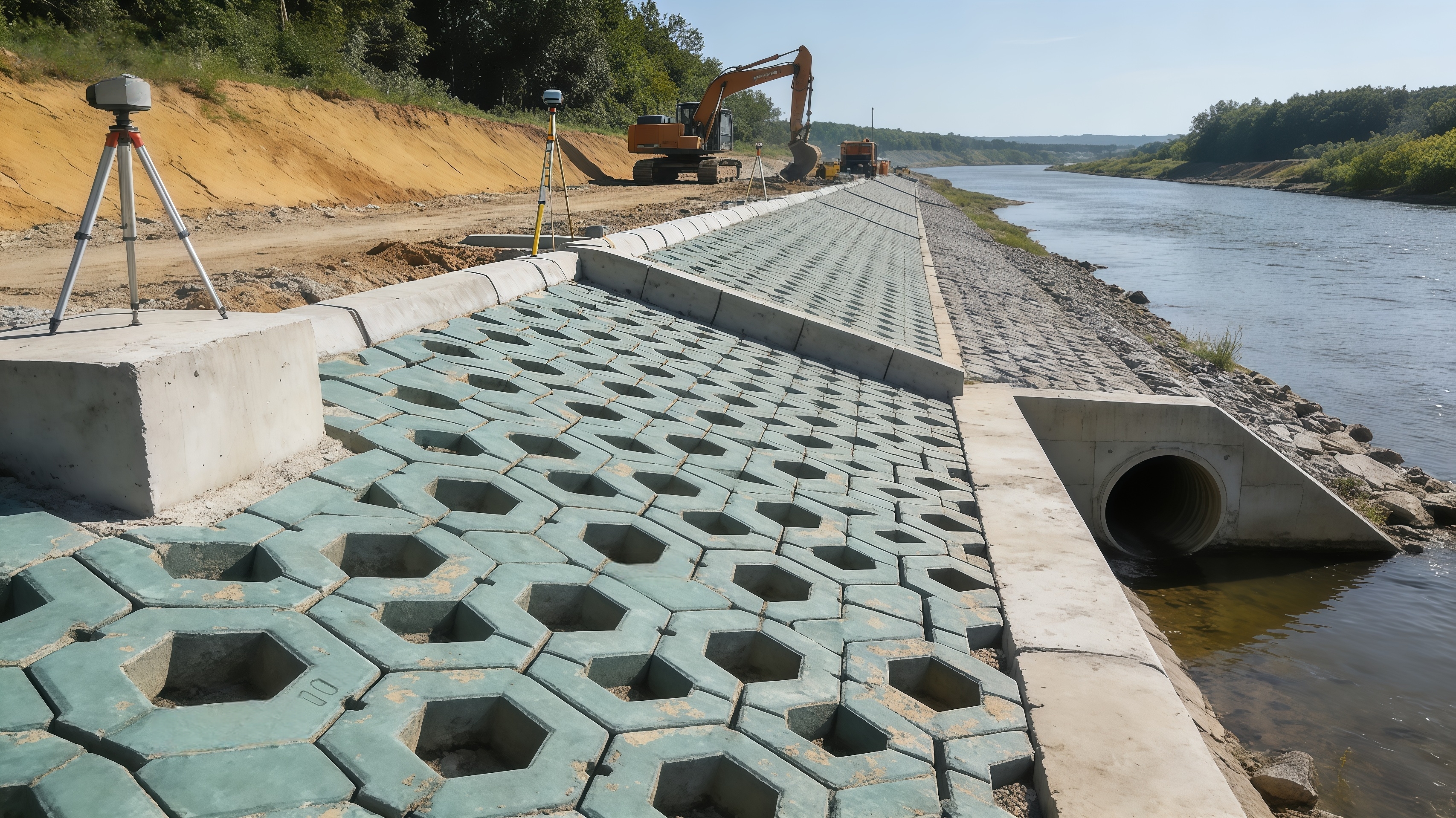
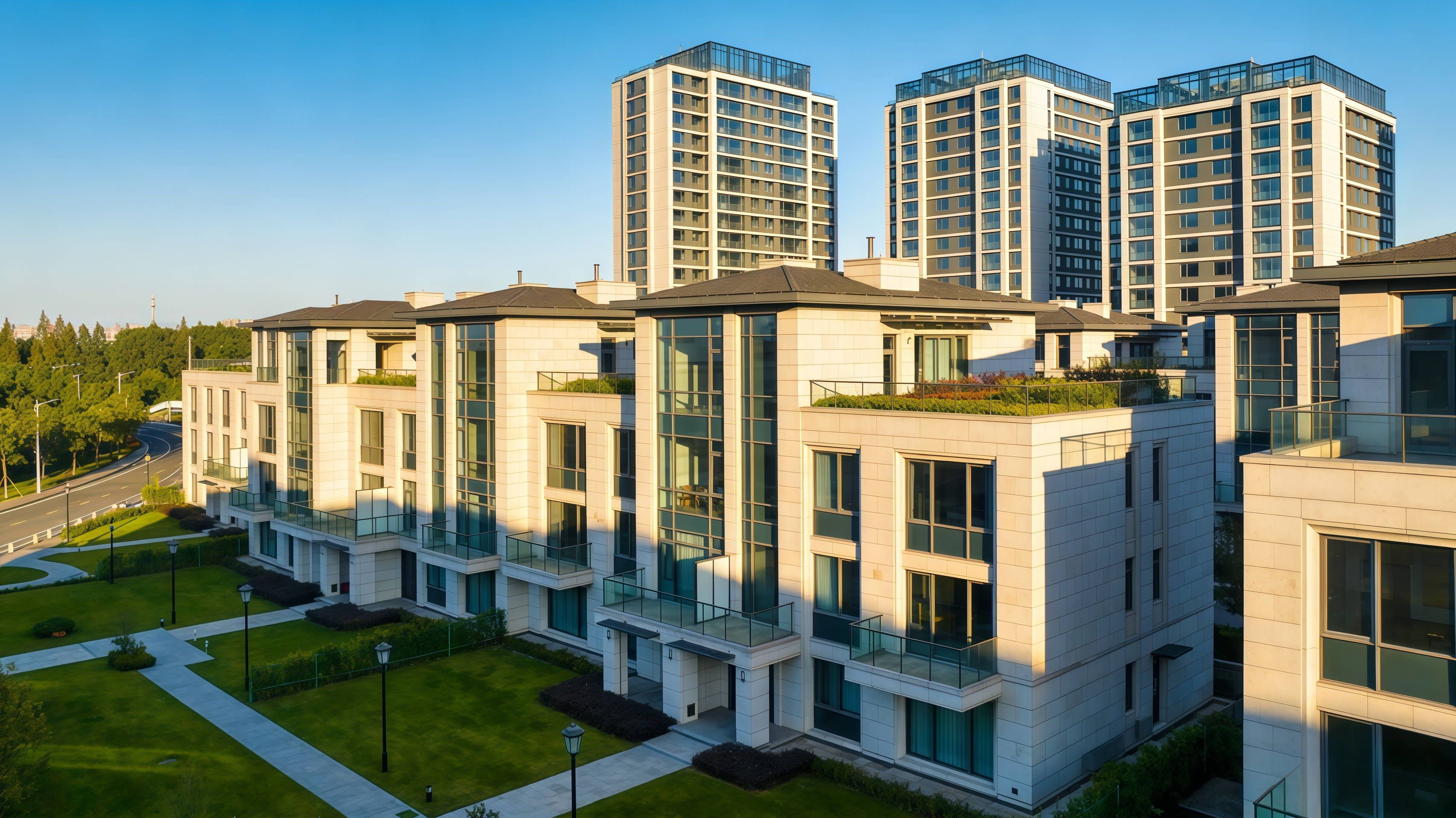
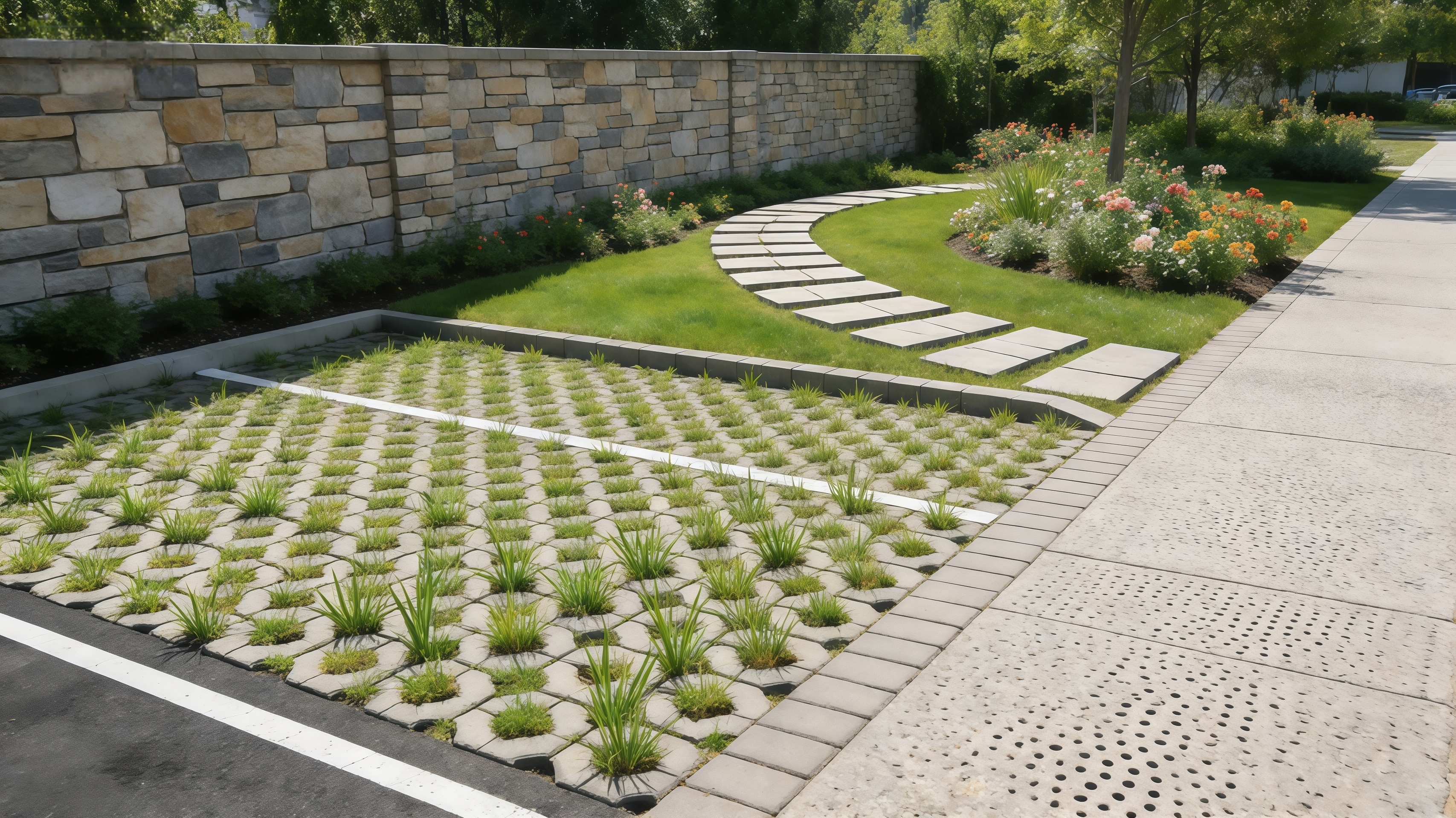
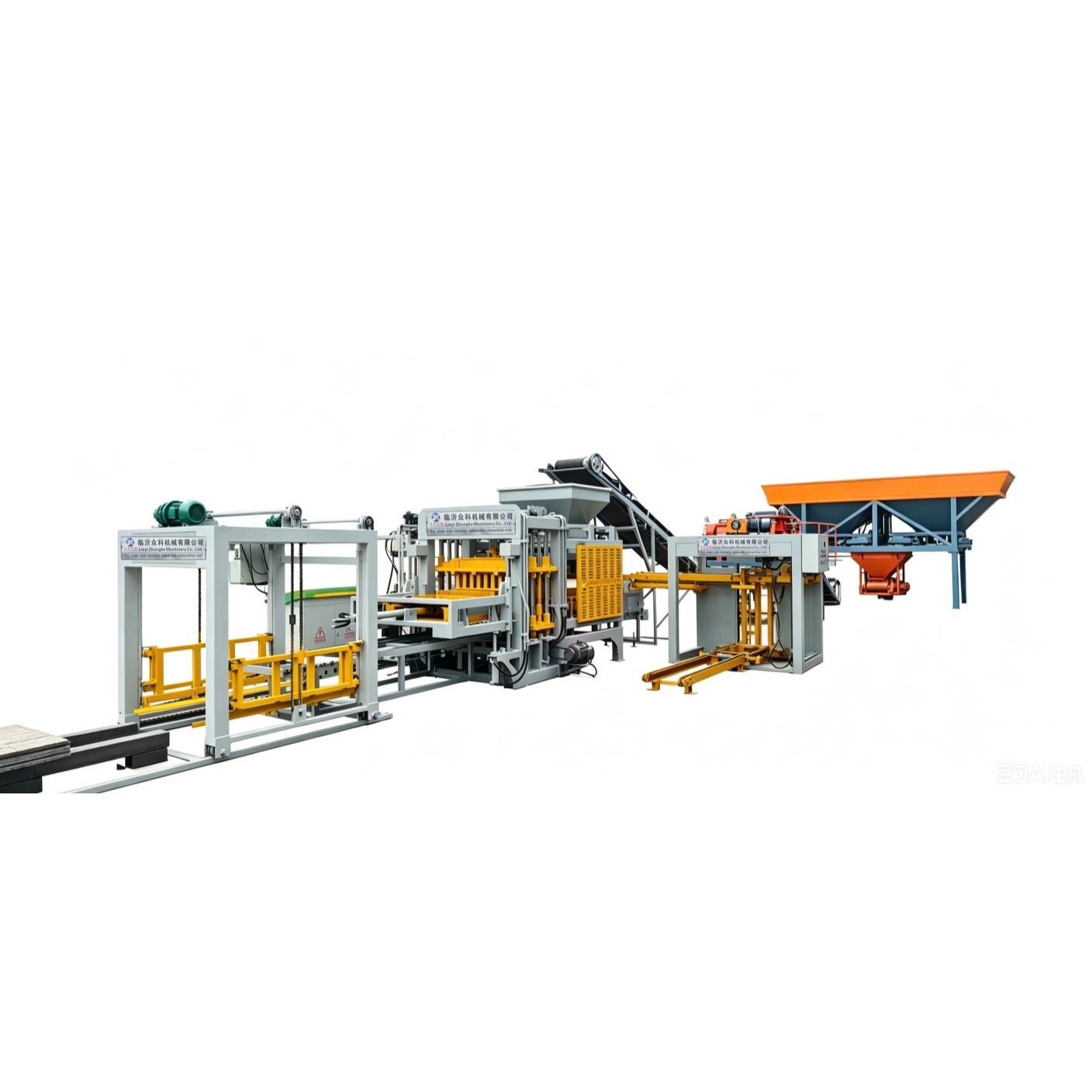
The demand for cement bricks in the construction market is increasing, and domestic block forming machines are gaining more and more attention. Manufacturers can provide complete brick-making machine production solutions tailored to different customer requirements. Overall, non-fired brick machines offer an environmentally friendly and economical solution for producing high-quality building bricks. The equipment is easy to operate and has stable performance, making it an ideal choice for modern brick-making projects worldwide.
FAQS
1. Common raw materials for non-fired block forming machines:
Cement, sand, gravel, fly ash, slag, construction waste, etc.
2. Cement brick curing:
After molding and demolding, cement brick blanks should be allowed to stand for 4-8 hours, avoiding impact and rain. Moisturizing curing is required for at least 7 days, with an optimal curing period of 28 days. During curing, avoid direct sunlight and strong winds; watering or covering with a film can help retain moisture. Stacking and loading should only begin once the strength reaches the required level.
3. Brick machine delivery cycle:
Production should be completed within one month of receiving the deposit, and delivery will commence upon receiving the balance.
4. Required moisture content for brick-making machine mixtures:
The mixture should be kept moist but not slurry. It can be shaped by squeezing a handful of the brick and will not leak water. Excessive moisture will reduce the strength of the new brick blank.