

Application of permeable bricks in urban infrastructure construction
With rapid urbanization, cement concrete pavements are becoming increasingly widespread, gradually replacing permeable soil. However, in some areas with unstable climates, heavy rainfall can overload stormwater drainage systems, leading to urban flooding and seriously threatening lives and property.
Traditional asphalt pavements, sintered red bricks, and high-density concrete pavements are almost entirely impermeable. After a sudden, heavy downpour, their drainage capacity is lower than the rainfall's capacity, and they don't infiltrate the ground, causing surface runoff. This lack of rainwater replenishment leads to a drop in the water table, further exacerbating the urban heat island effect.
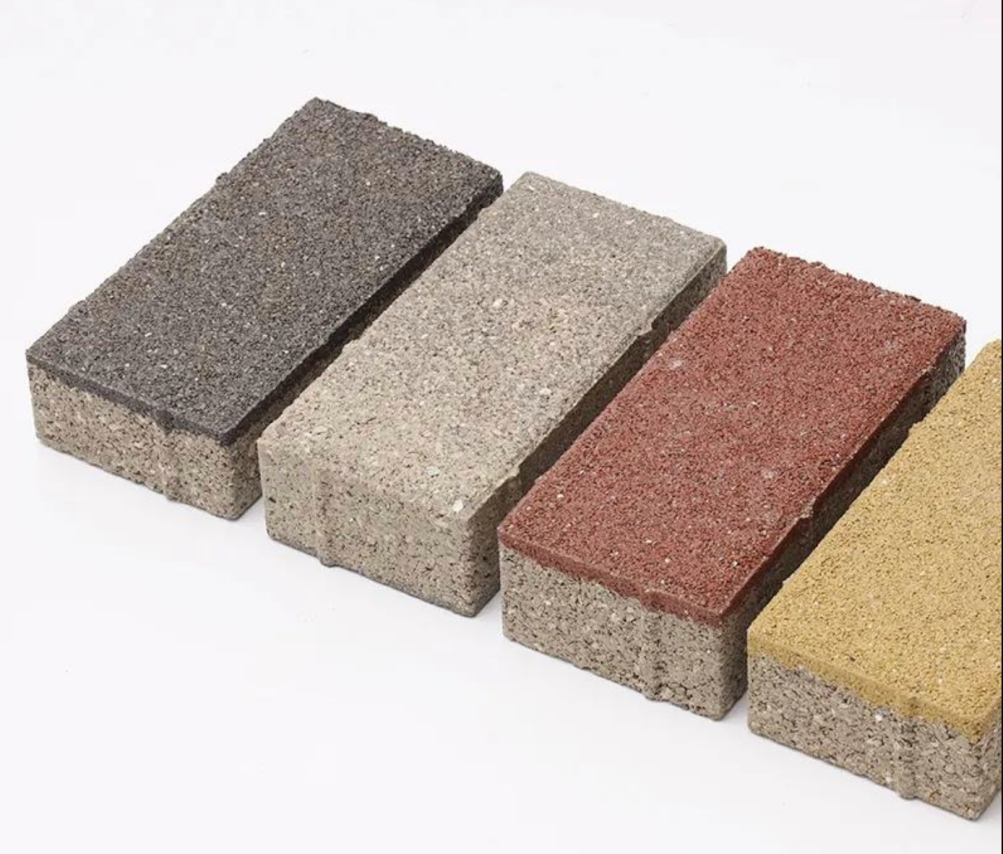
Permeable bricks can alleviate this situation. This is closely related to their structure. Permeable bricks are porous, cement-based, non-fired paving bricks. Relying on their continuous, interconnected pore structure, combined with an underlying layer of graded crushed stone, they allow for on-site collection, storage, infiltration, and preliminary purification of rainwater, making them one solution to this problem.
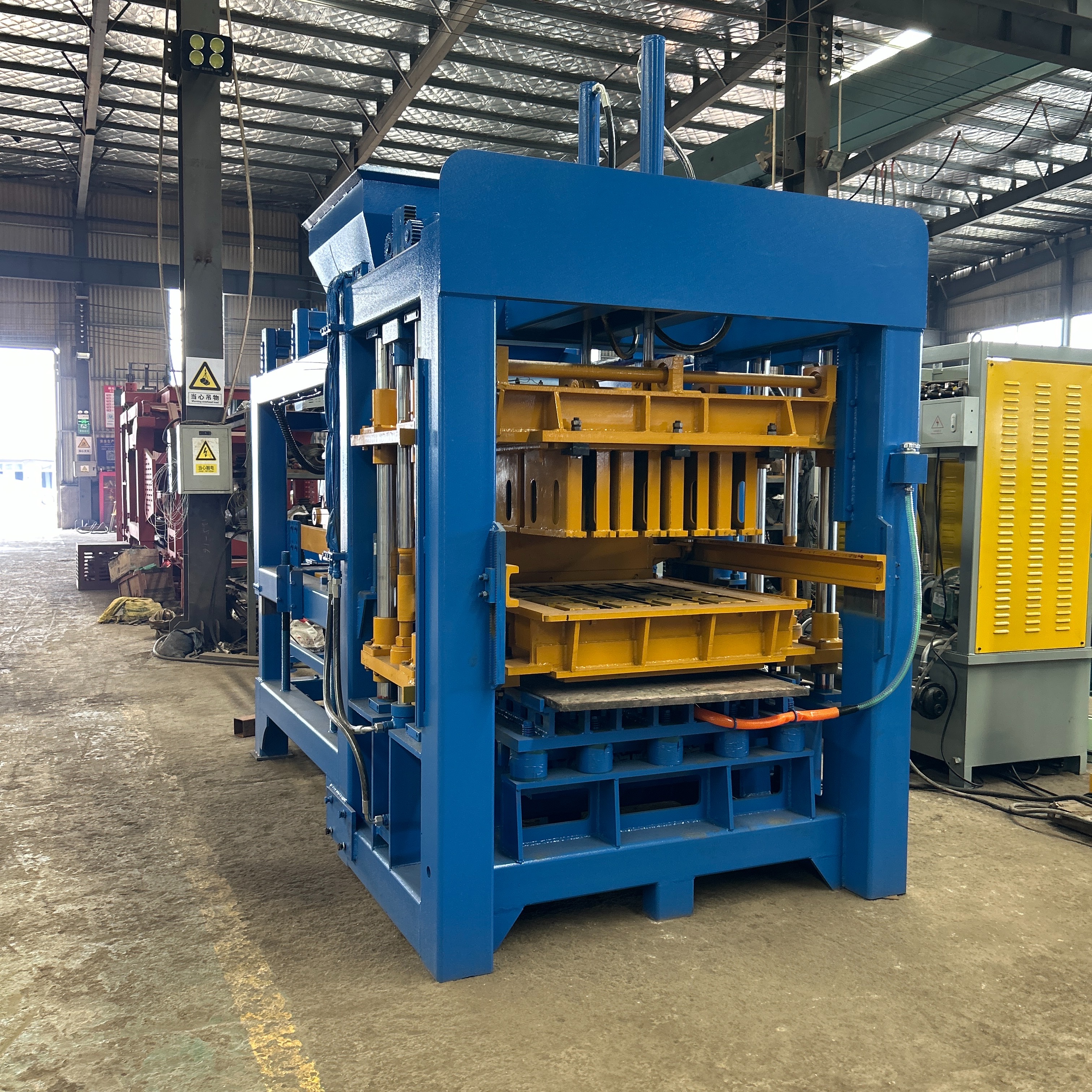
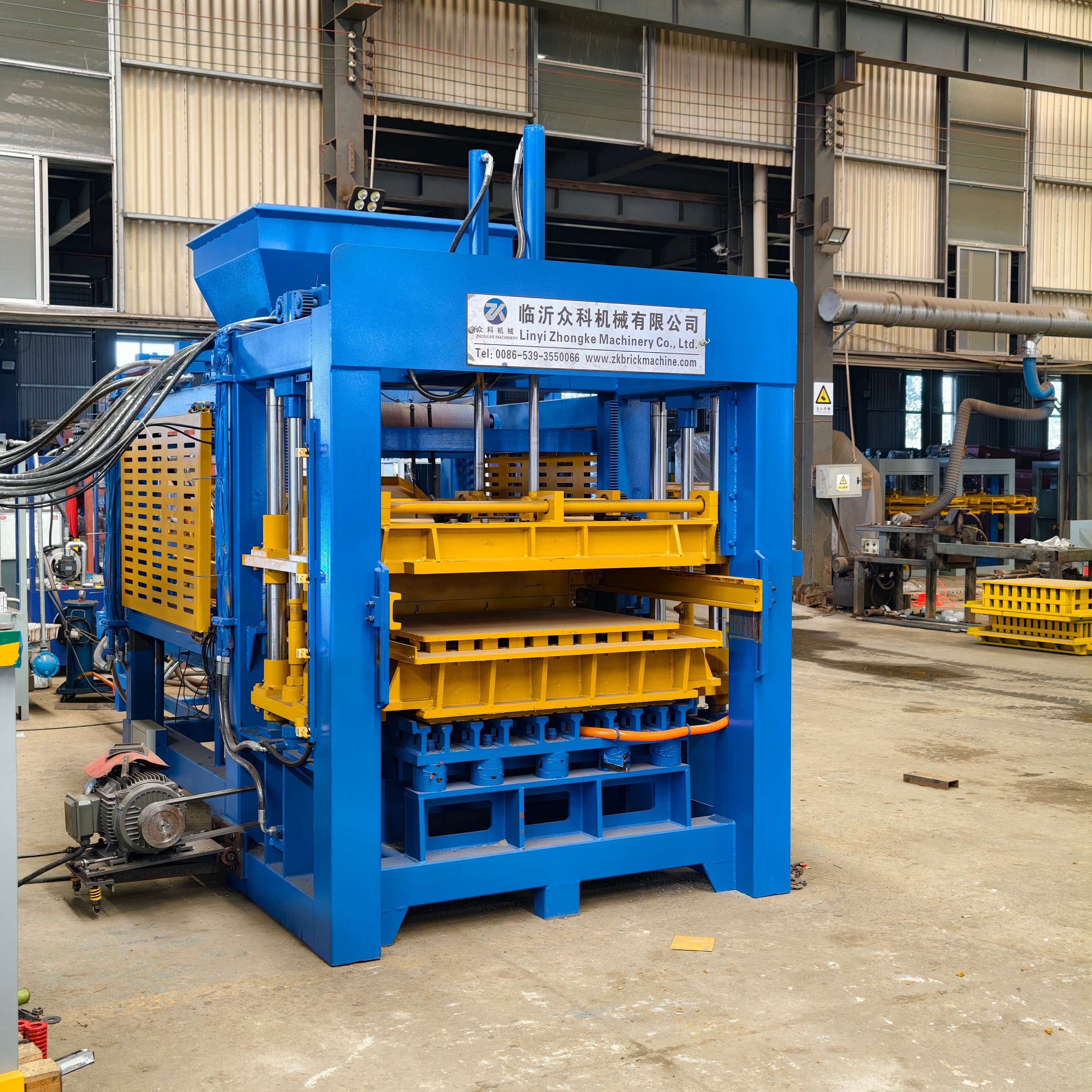
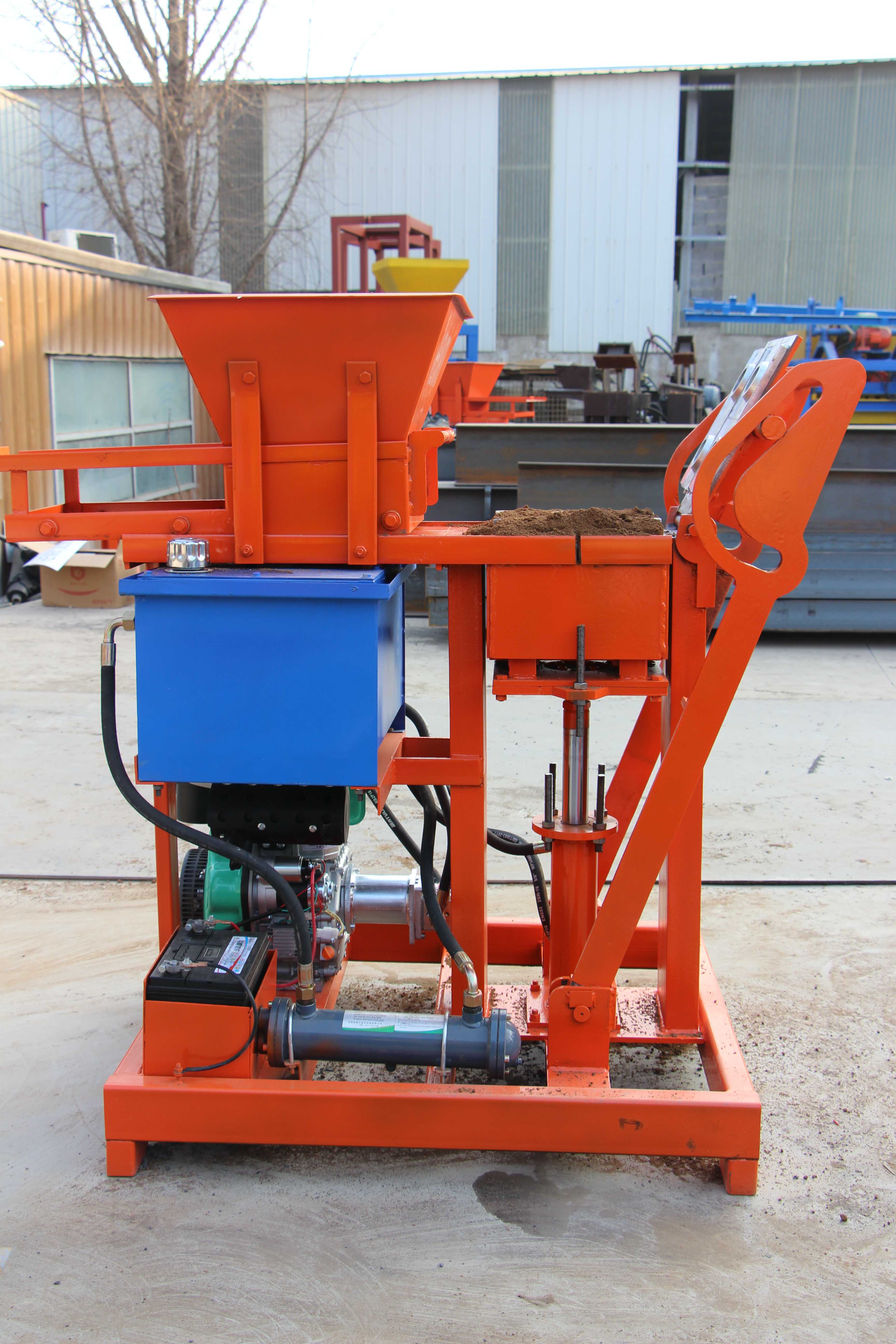
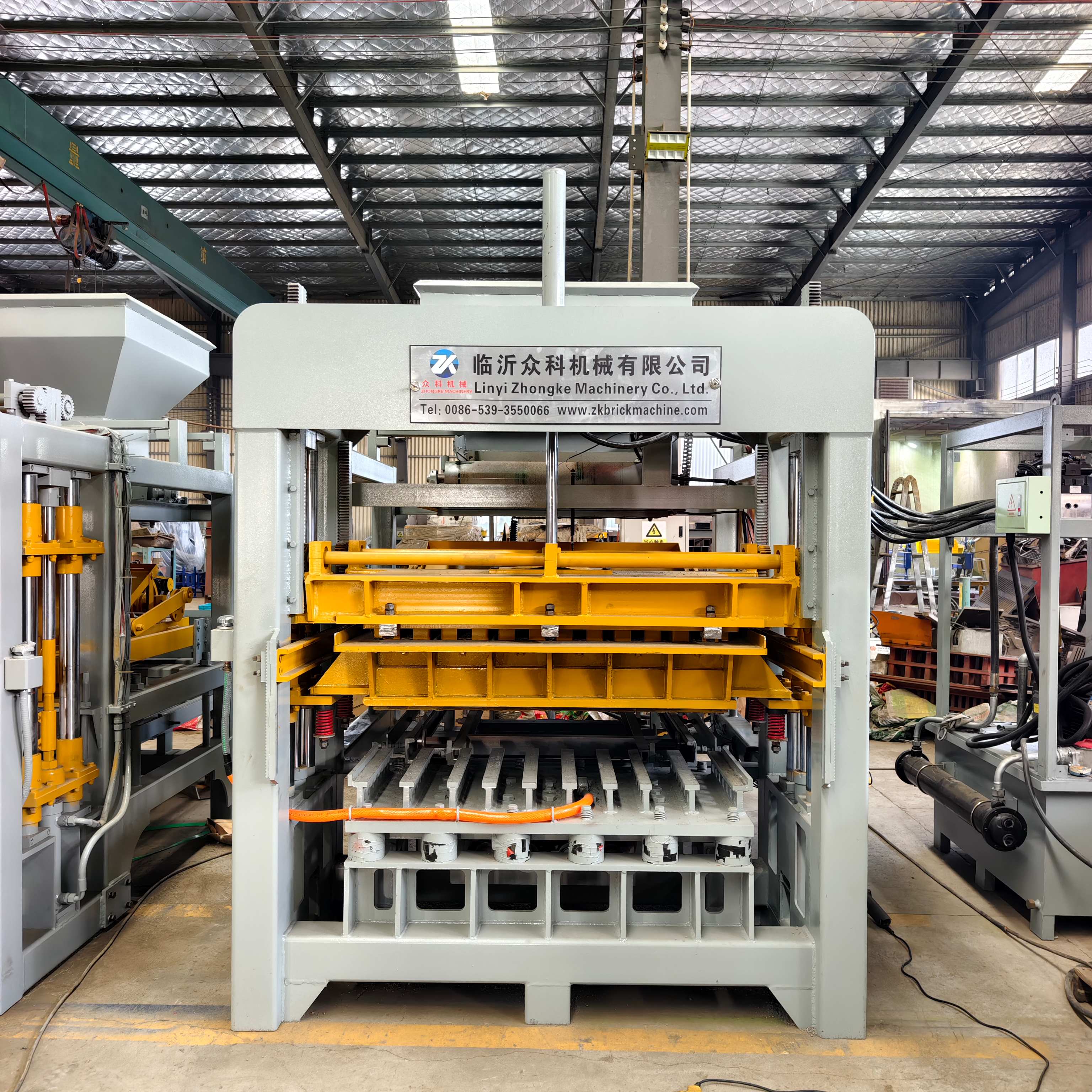
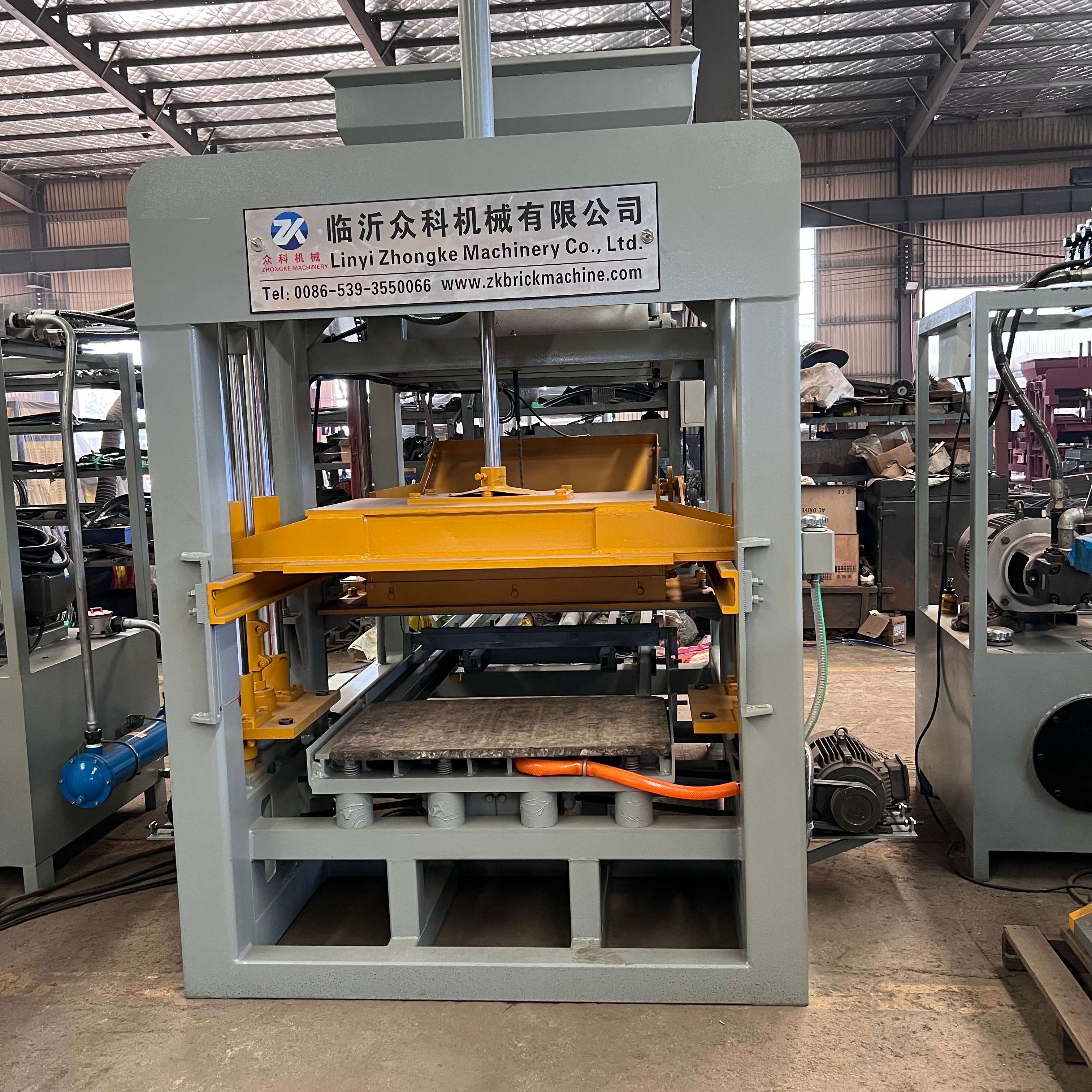
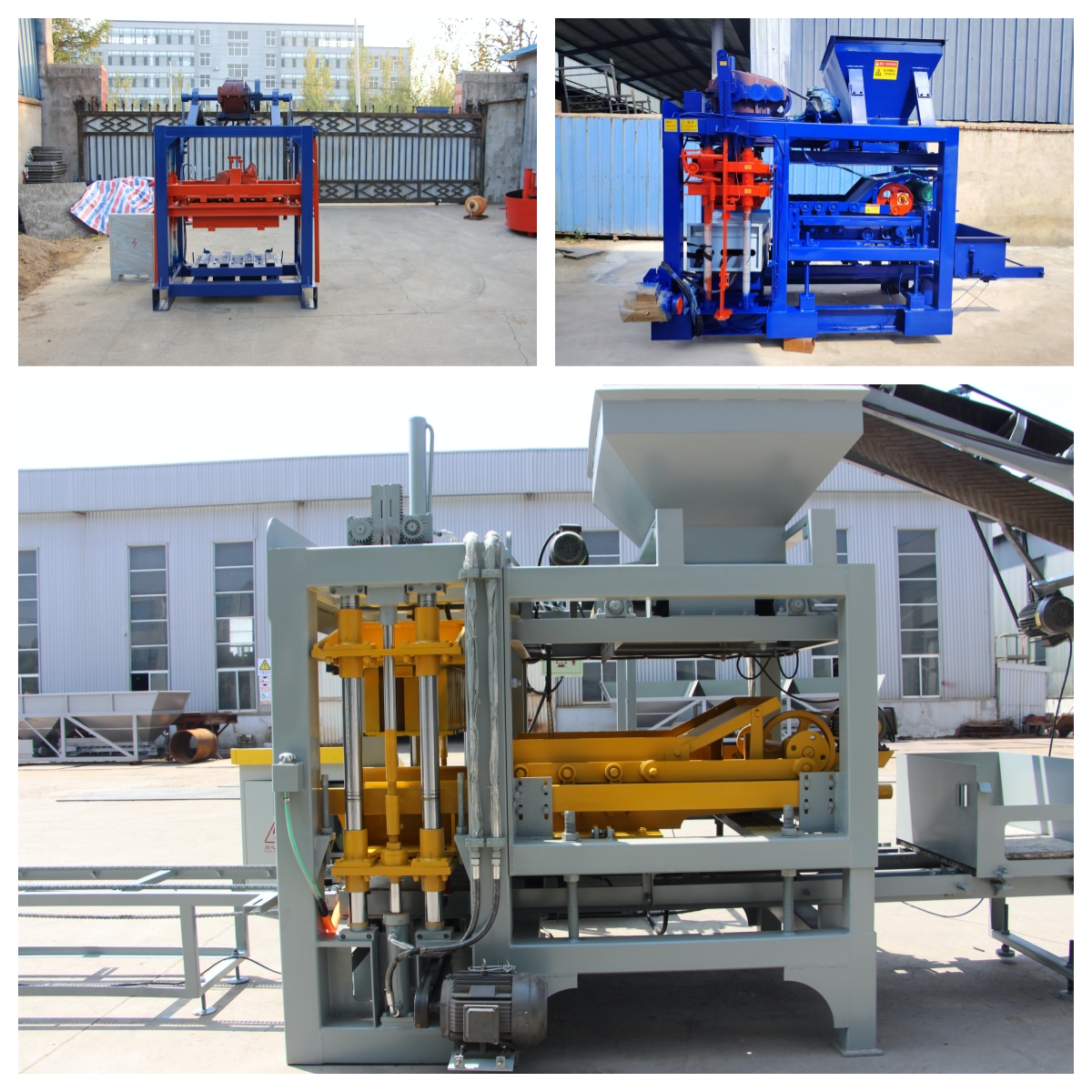
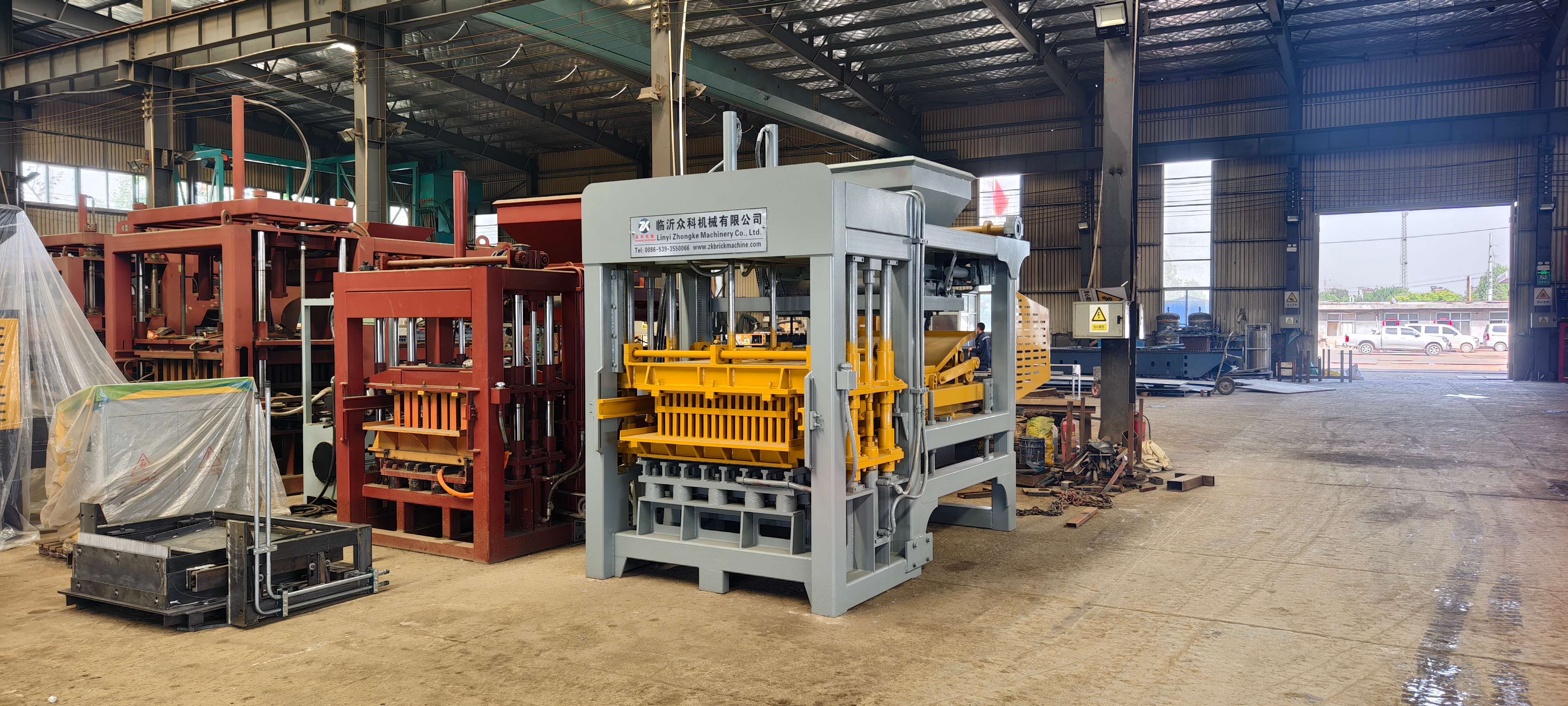
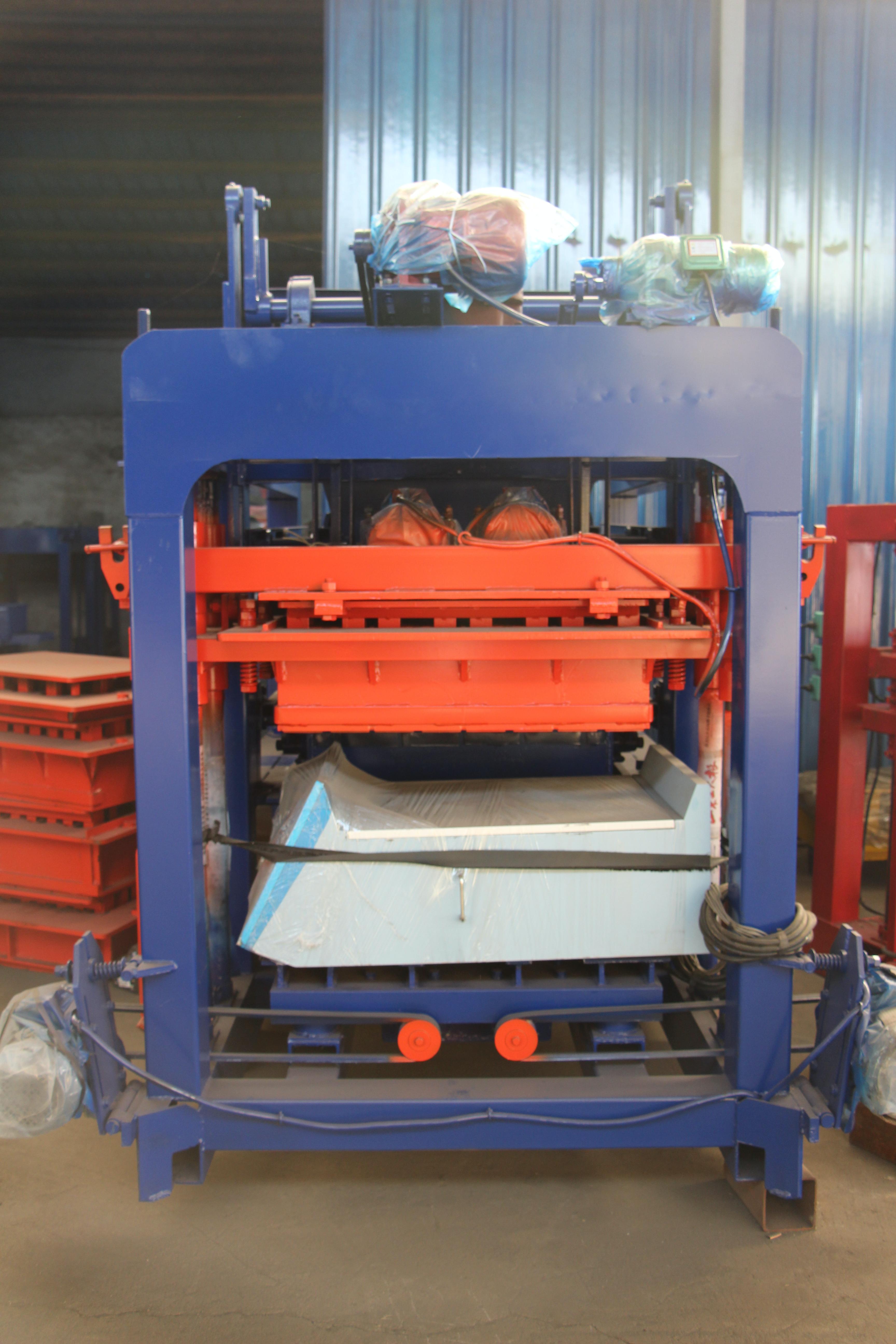
However, permeable bricks place certain performance requirements on the brick-making machine. Permeable bricks need to maintain sufficient porosity, achieving a bond between the aggregates without completely compacting the pores. Small brick machines cannot meet these precise requirements in terms of vibration and material distribution capabilities. Therefore, it is best to choose a hydraulic brick machine equipped with an independent secondary material feeding hopper, a high-power variable frequency vibration system, a thickened rigid vibrating table, and a PLC control system that can precisely adjust the vibration frequency, excitation force, molding pressure, and holding time. This ensures that while maintaining permeability, the machine must also meet requirements for structural strength, wear resistance, and freeze-thaw resistance. Even when producing permeable bricks, the same brick machine can be used to produce different brick types by changing the molds, such as hollow bricks, grass pavers, slope protection bricks, and curb stones, thus improving utilization.
When factories purchase permeable brick making machines, in addition to focusing on the most important factor of production capacity, they also need to pay attention to the quality of the brick-making machine itself and the manufacturer's after-sales service capabilities. This includes the power of the vibration motor, the hydraulic oil station, the flatness of the mold, and the wear and tear capacity of equipment parts such as the guide shaft. Furthermore, it is essential to ensure that the factory site has stable water, electricity, and concrete raw material supplies to prevent losses due to unexpected factors causing production stoppages.
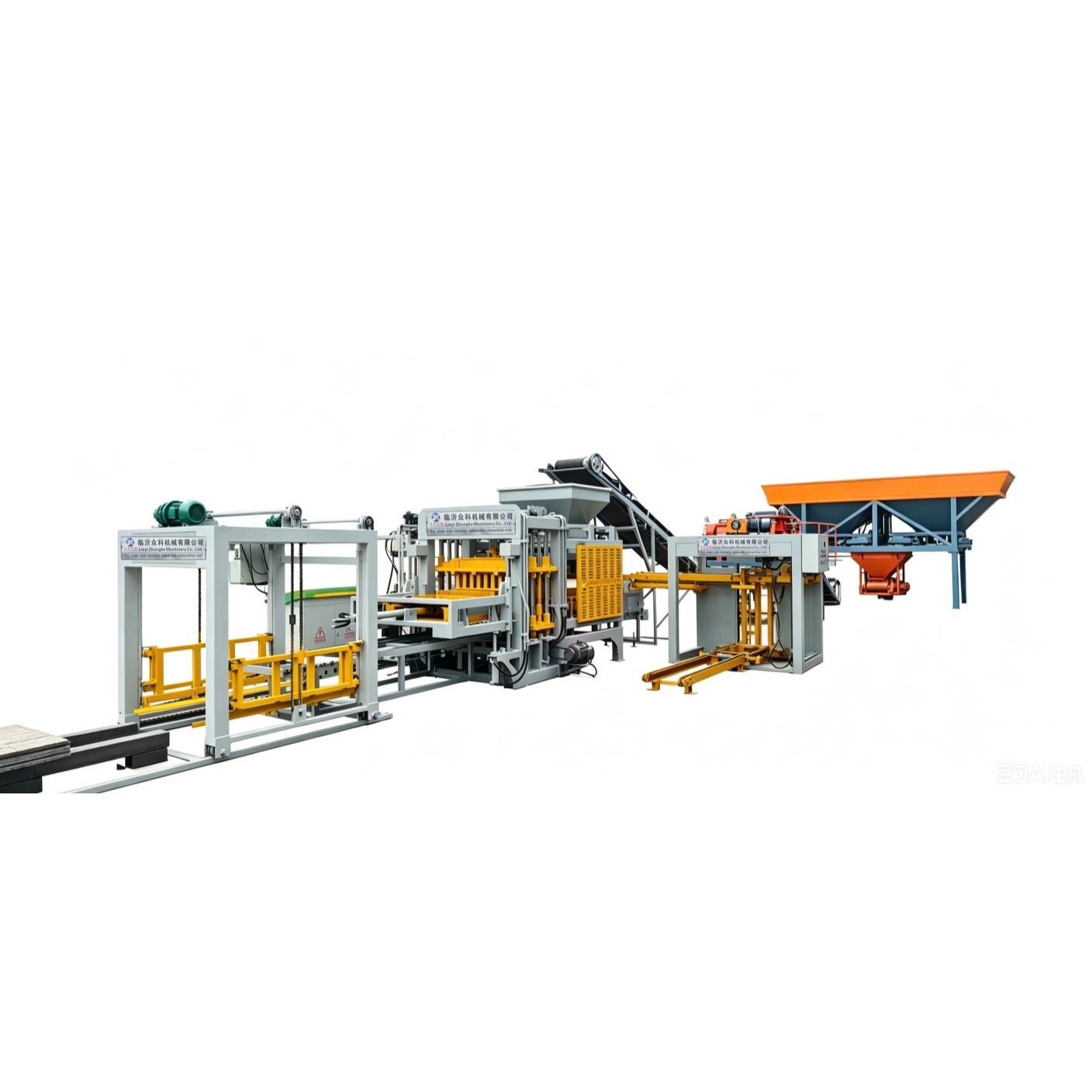
With increasing drainage standards in many countries worldwide, more and more infrastructure projects require the use of permeable bricks. Therefore, fully automatic brick-making machines and complete permeable brick production lines capable of stably producing high-permeability, high-strength permeable bricks have become crucial equipment support for urban rainwater infrastructure and sponge city renovation projects, providing long-term and stable investment opportunities for overseas building material manufacturers and engineering contractors.