




2026 Clay Brick‑Making Machine Buying Guide
2026 Clay Brick‑Making Machine Buying Guide
In the 21st‑century construction sector, market participants are seeking long‑lasting building materials and construction machinery, which has brought clay brick‑making machines into the spotlight. As environmental protection standards grow stricter worldwide, clay brick machines stand out with their outstanding features. Nevertheless, selecting suitable machinery is never an easy task. Many buyers only focus on price while overlooking critical evaluation criteria, such as production capacity, energy consumption and service life. A wide range of manufacturers offer brick‑making equipment with distinctive strengths. You must base your purchase on your actual requirements and carry out sufficient field research before finalizing an order.
Understanding Clay Brick‑Making Machines
Clay brick‑making machines fall into two main categories. The first type is the traditional fired clay brick machine. It extrudes clay into shaped blanks, which are then dried and fired at high temperatures inside a kiln to produce red bricks.
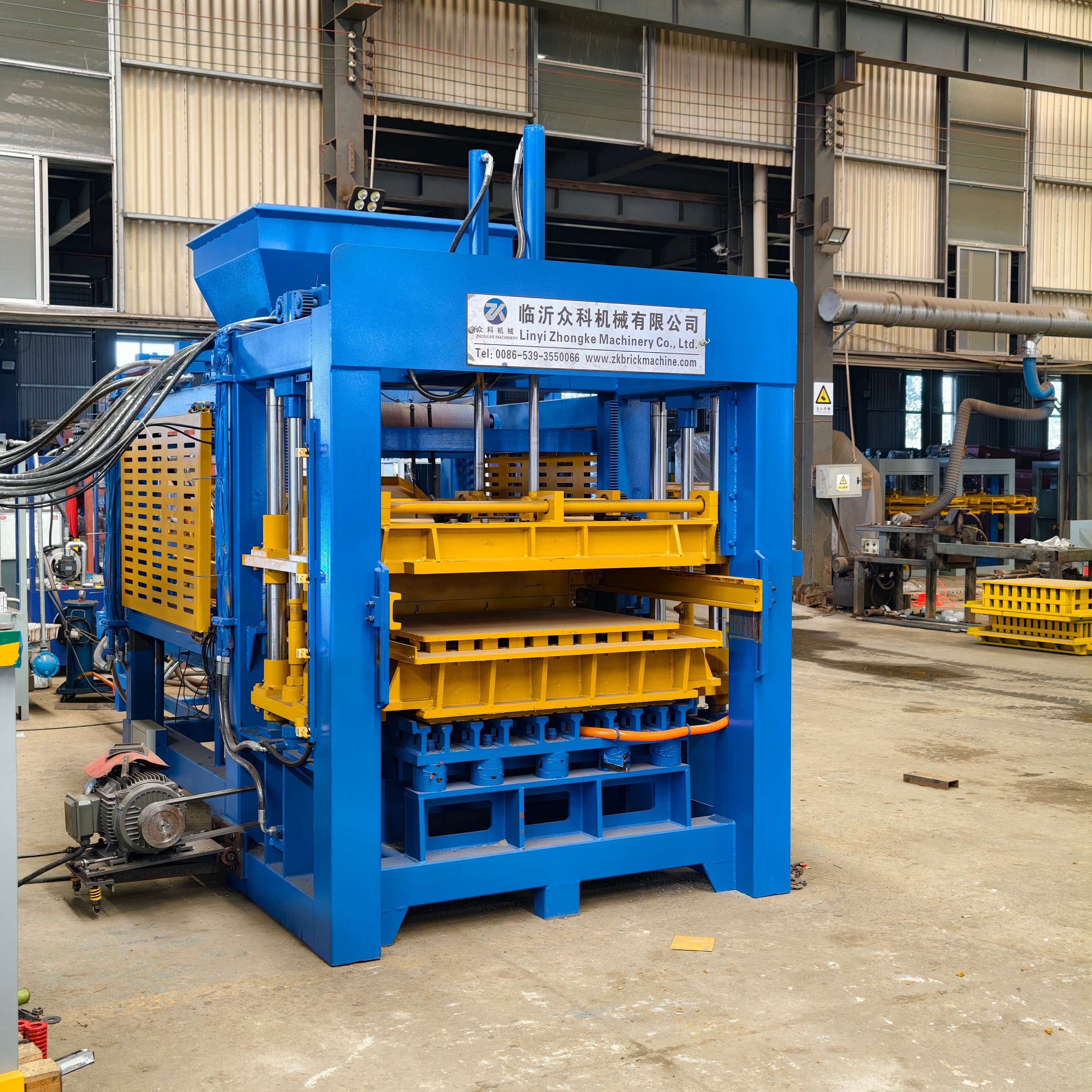
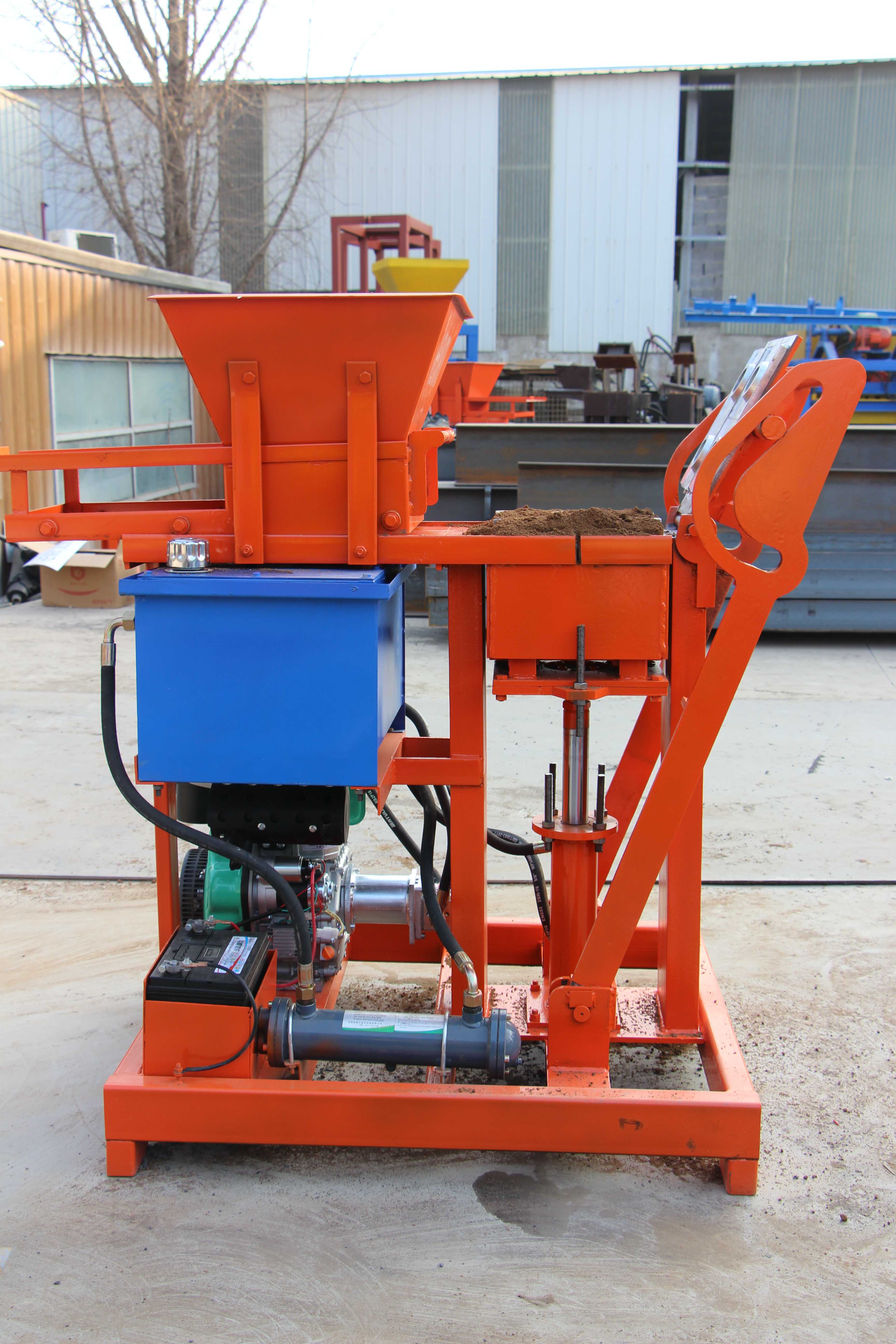
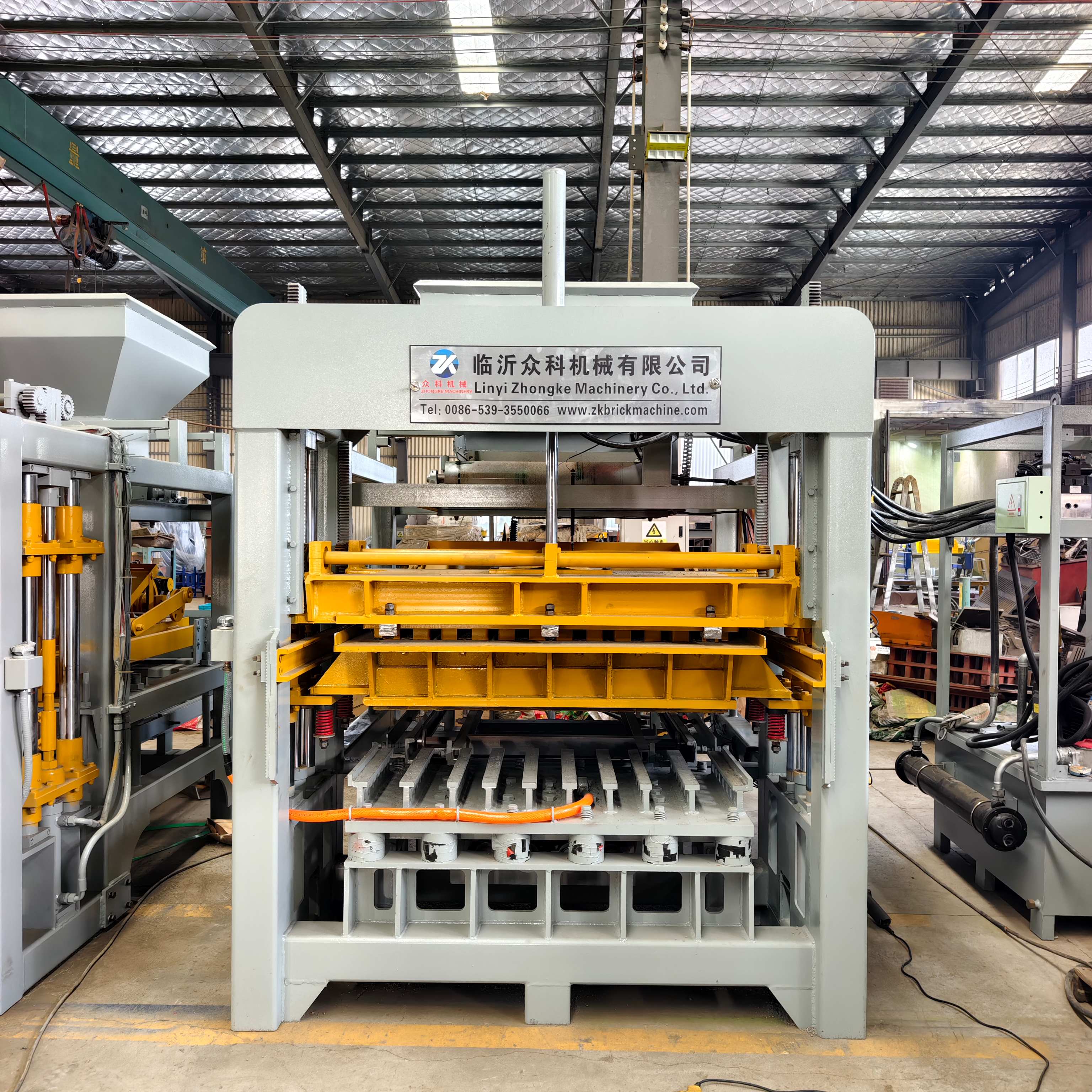
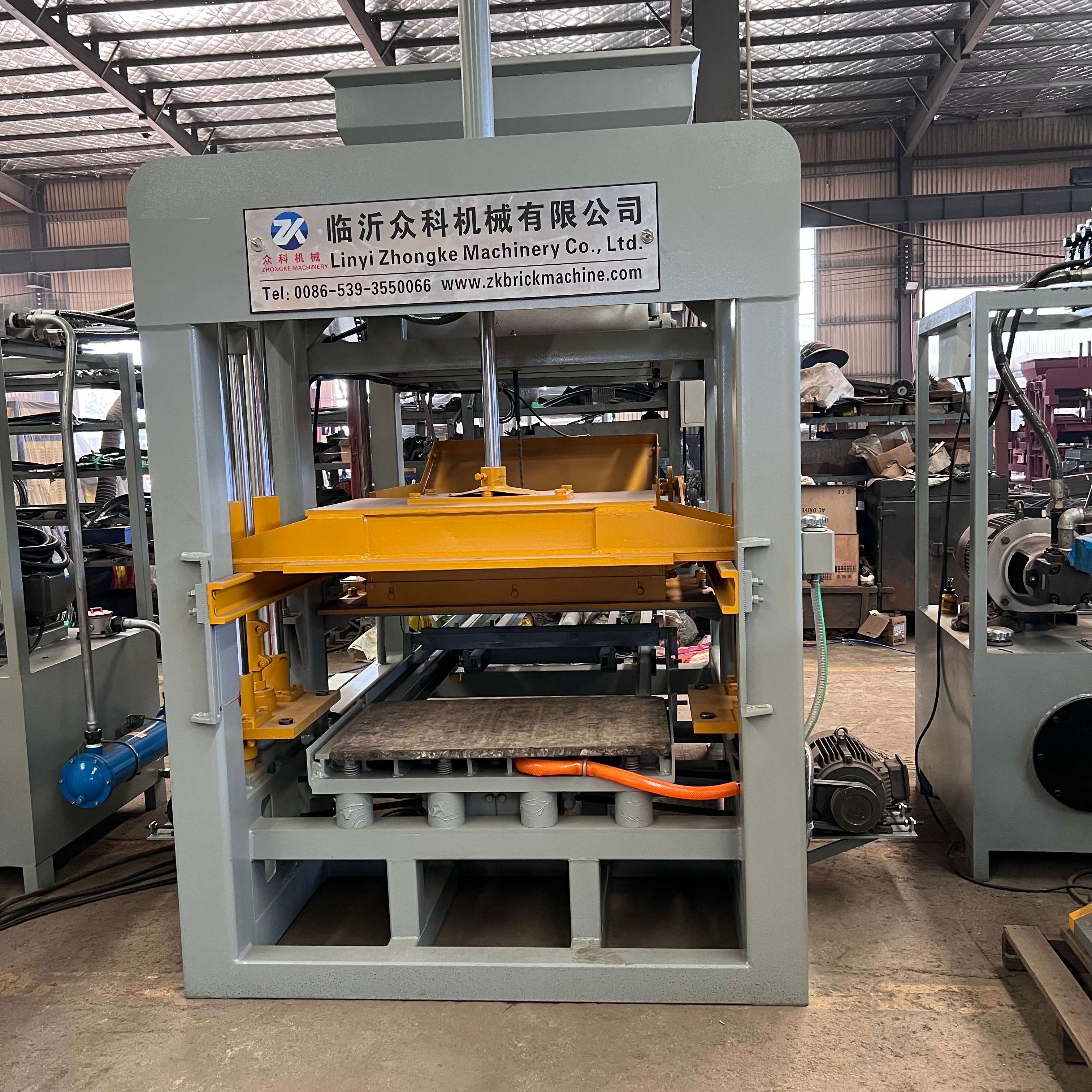
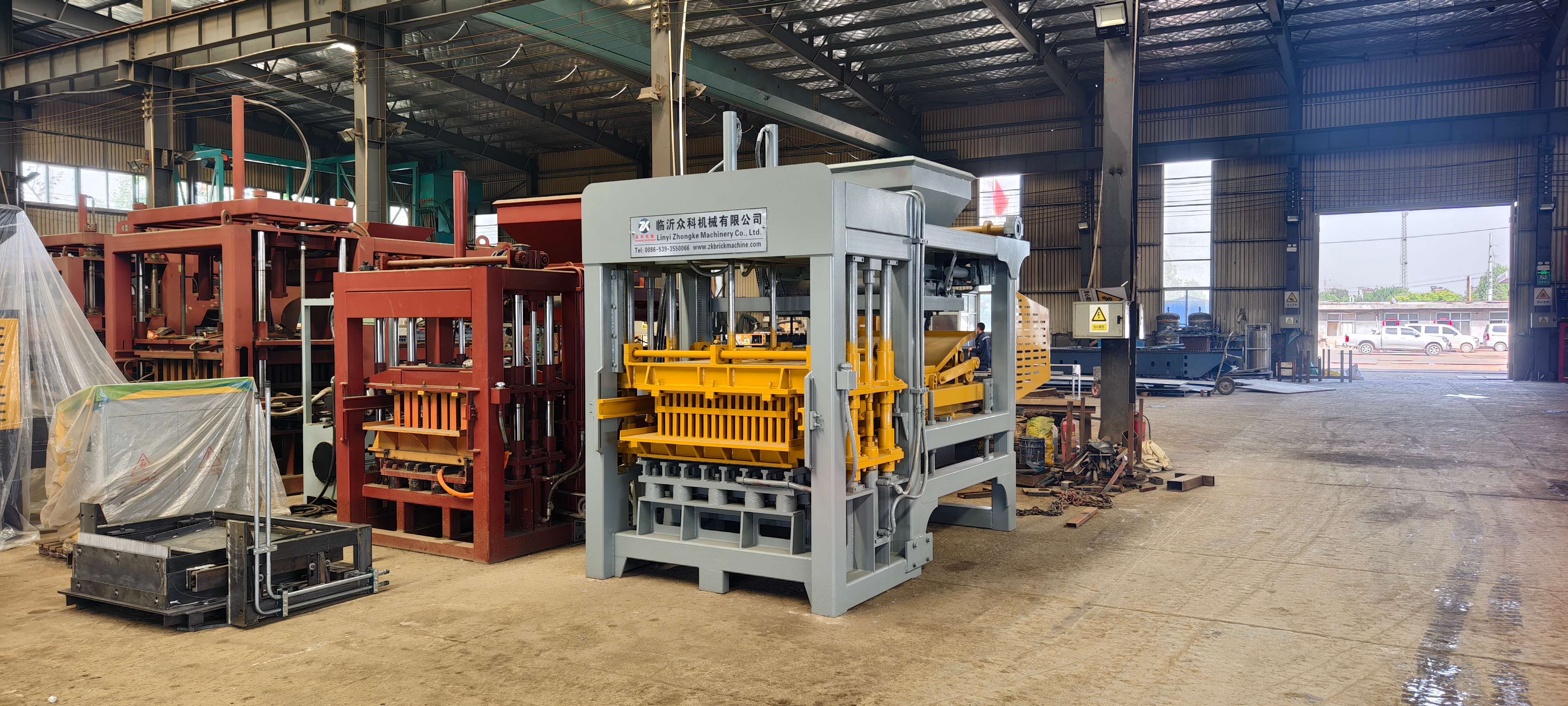
The second variant is the cement‑stabilized unfired clay brick machine. It uses local clay or laterite as raw material. No kiln or high‑temperature firing is required. Bricks are formed under high hydraulic compression, with a small proportion of cement or lime added as a stabilizer. The finished blocks gain hardness through water‑curing in the open air. As an eco‑friendly cold‑pressed earth block machine, it enjoys huge market demand across Africa.
Forming Principle
Brick strength is not obtained through firing, but via two mechanisms. High hydraulic pressure expels trapped air and tightly compresses clay particles. A small amount of stabilizer (5%‑10% cement or lime) triggers a hydration reaction with water. Compressive strength develops gradually over a 7‑to‑28‑day curing period, and the blocks fully harden under natural sunlight and air drying.
Complete Production Process
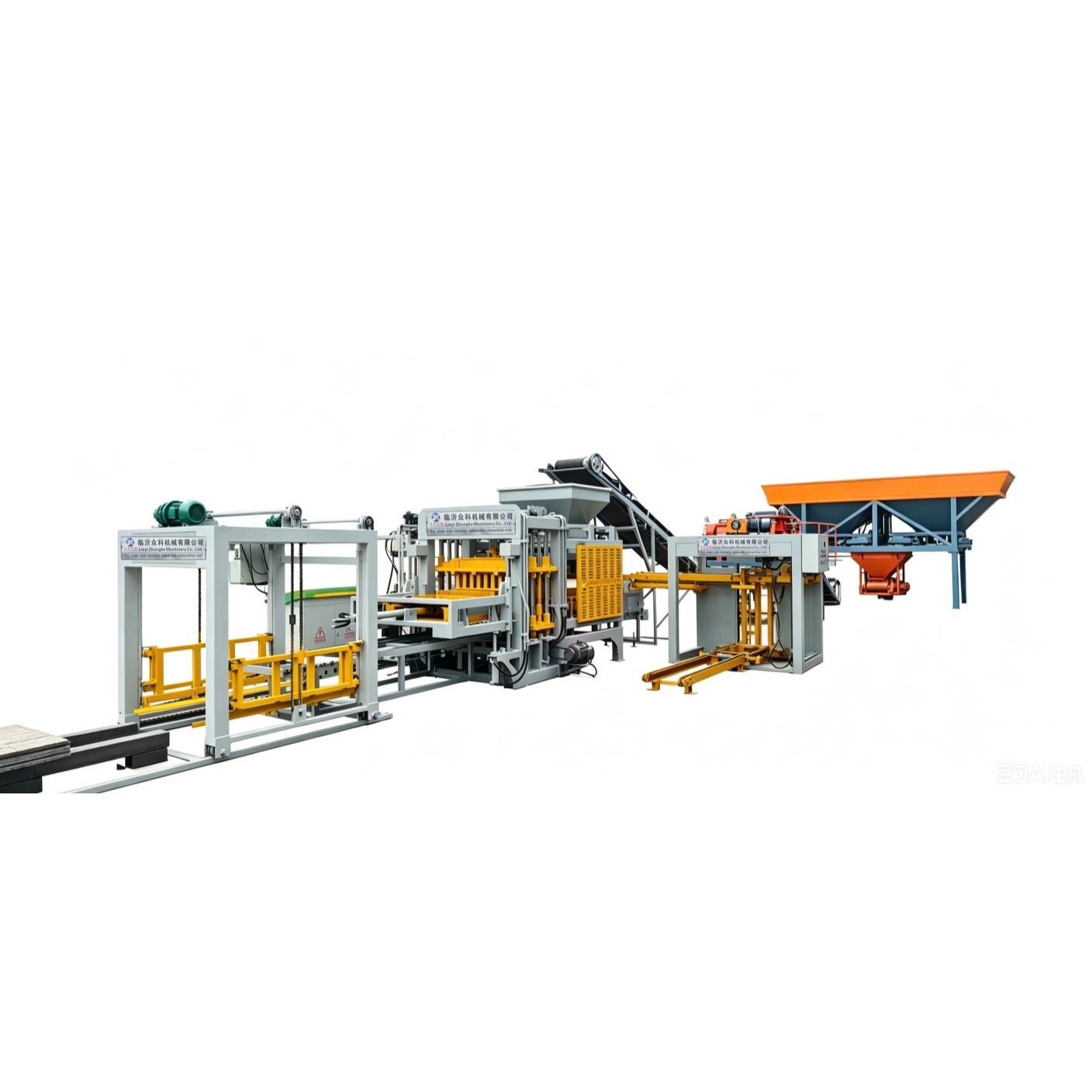
Soil extraction → Crushing and sieving to remove stones → Proportioning mixture of clay, a small amount of cement and water → Mixing in a blender → High‑pressure compression inside moulds → Demoulding of fresh brick blanks → Stacking and moisturizing by water sprinkling for natural curing → Finished bricks
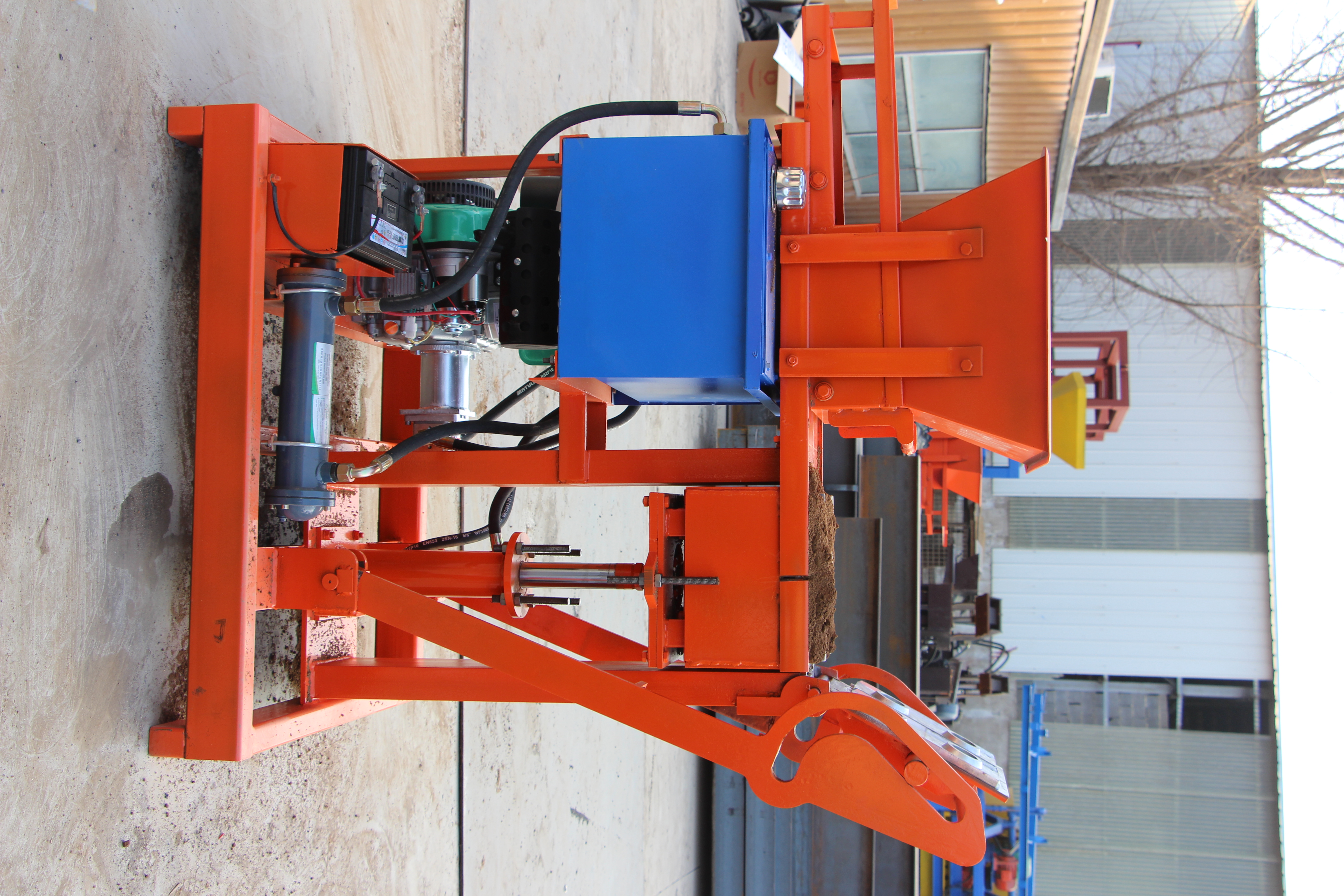
Core Factors for Purchasing Clay Brick Making Machines
Production Capacity: Confirm the required daily output of bricks. Durability, Maintenance and After‑sales Service: Select robust and long‑lasting brick machines to extend service life and reduce replacement frequency. After‑sales support is also critical, which determines whether production can be quickly resumed in case of equipment breakdowns.
Maintenance of Clay Brick Making Machines
Carry out regular lubrication inspections to ensure moving parts are well‑lubricated and wear is reduced; establish a routine inspection schedule. Periodically clean dust and residues off the equipment. Surveys show that roughly 15% of brick factories suffer output decline directly due to poor cleaning. For formal brick plants, maintenance is not an optional task but an essential part of production.
FAQ
- What is the use of a clay brick making machine? It is used to produce durable clay bricks for construction purposes.
- What is the first step in clay brick production? Select high‑quality clay raw materials to guarantee brick strength.
- What functions do modern clay brick machines have? They efficiently complete the whole workflow of clay mixing and moulding.
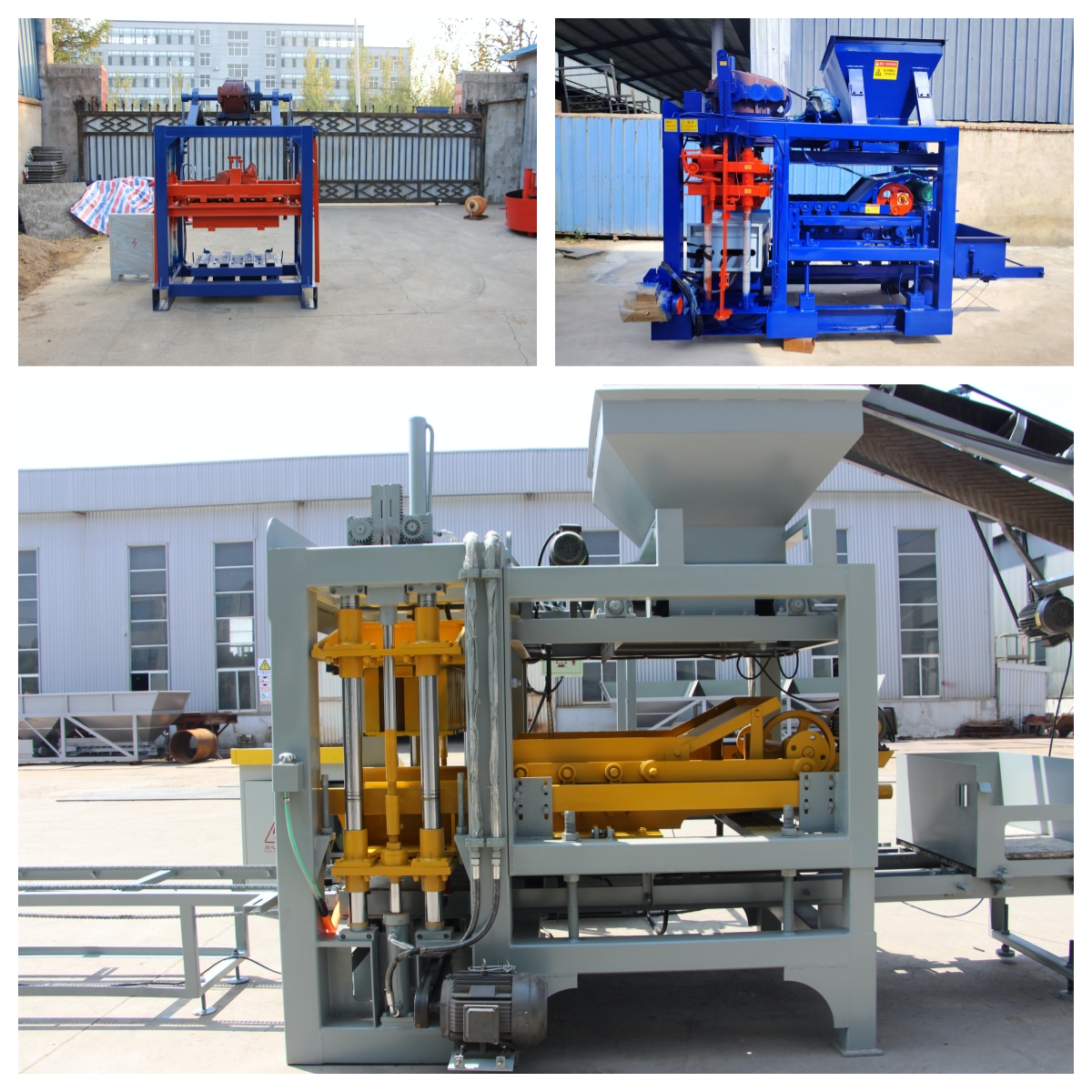
- What types of machines are available on the market? Vacuum extruders, hydraulic brick presses and manual brick making machines.
- Why are vacuum extruders popular? They produce bricks with consistent quality and eliminate internal air pores.
- What are the disadvantages of hydraulic brick presses? They support custom brick shapes, yet fail to deliver sufficient output for large‑volume orders.
- Who are manual brick machines suitable for? Small‑scale factories with limited capital; finished bricks have relatively unstable quality consistency.
- What aspects should be considered when purchasing a brick machine? Equipment stability, maintenance difficulty, spare‑parts supply and after‑sales support from the manufacturer.