


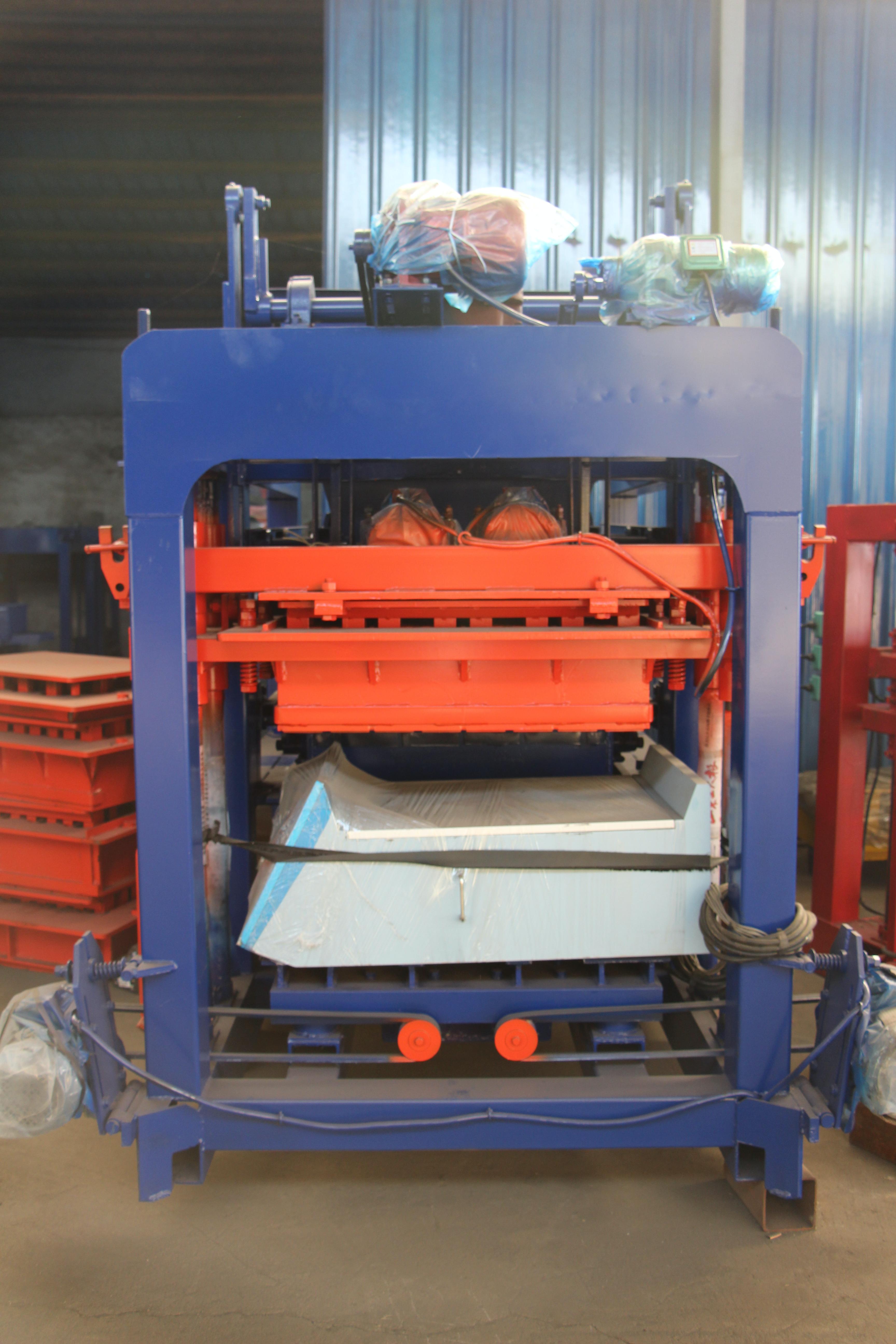

The best concrete brick-making machine for your project
The best concrete brick-making machine for your project
In the construction industry, machinery efficiency is paramount; the high market demand for robust, durable equipment has driven improvements in the quality of construction machinery.
Well-known companies such as Fujian Quangong Machinery and Besser (USA) offer a wide range of brick-making machine models, each with distinct characteristics. With so many options available, selecting the right equipment can be overwhelming; one must align the choice with specific production capacity requirements and decide between automated and semi-automated systems. While automated equipment generally offers higher output than semi-automated versions, a higher price or a greater degree of automation does not necessarily mean the machine is the best fit for your needs; often, a reliable mid-range machine is perfectly adequate, especially for small-to-medium-scale operations.
Purchasing a high-quality, reliable concrete brick-making machine can significantly facilitate project progress. The market is crowded with manufacturers, each with unique strengths; the key is to identify your specific needs and then select a manufacturer accordingly. Consulting reviews from existing users and seeking advice from industry experts can greatly assist in making the right choice. However, these serve only as references—actual performance may occasionally fall short of expectations—so practical assessment and careful consideration are essential.
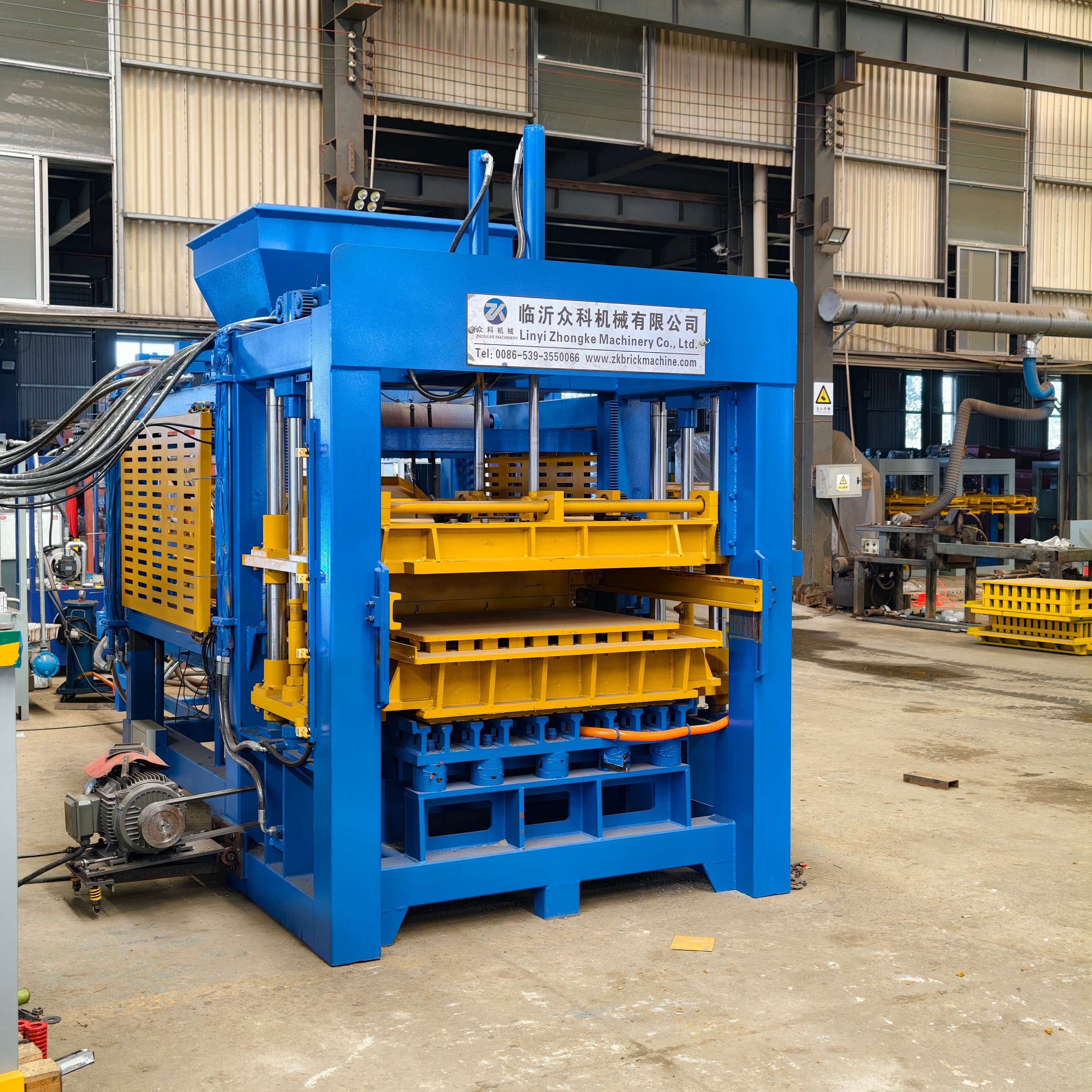
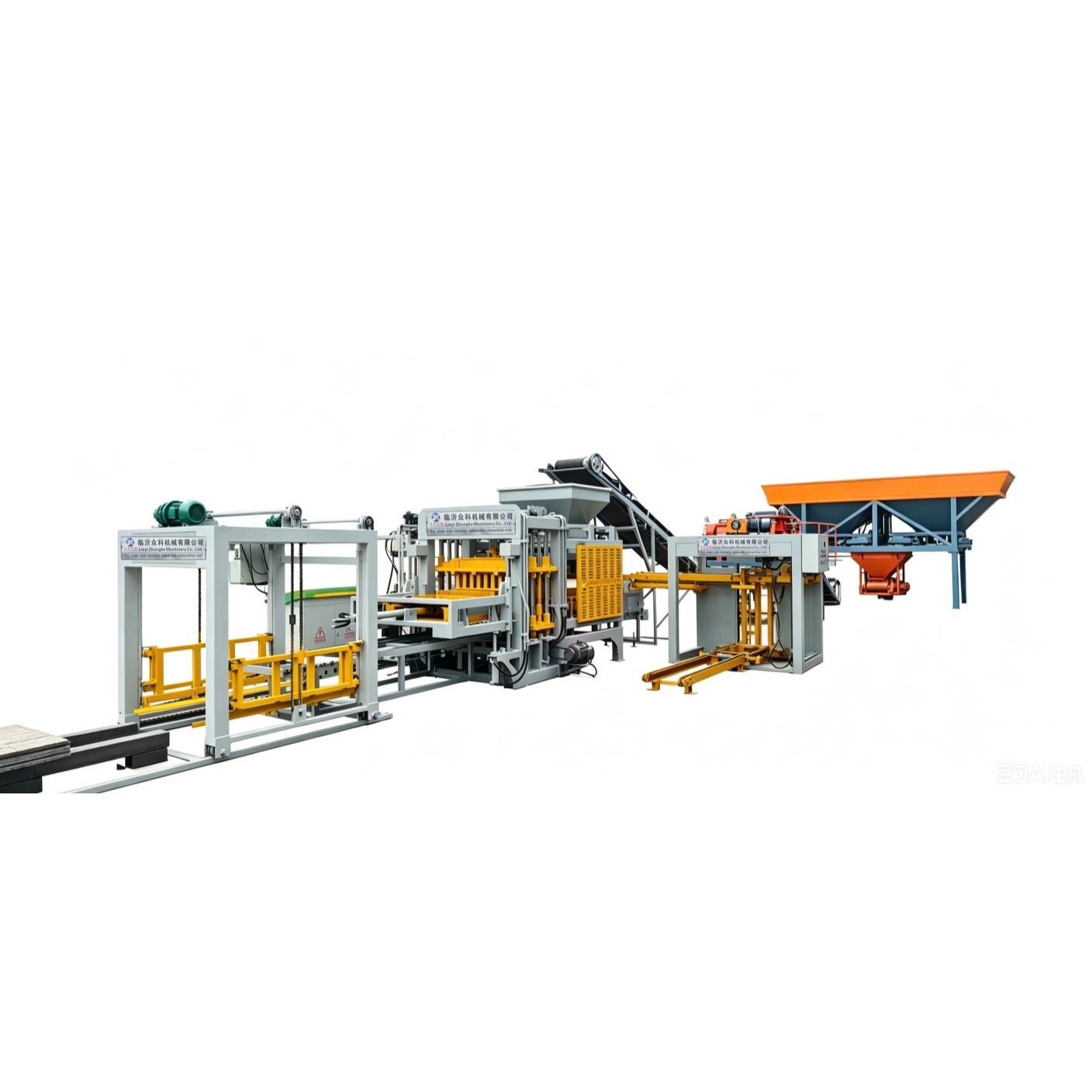
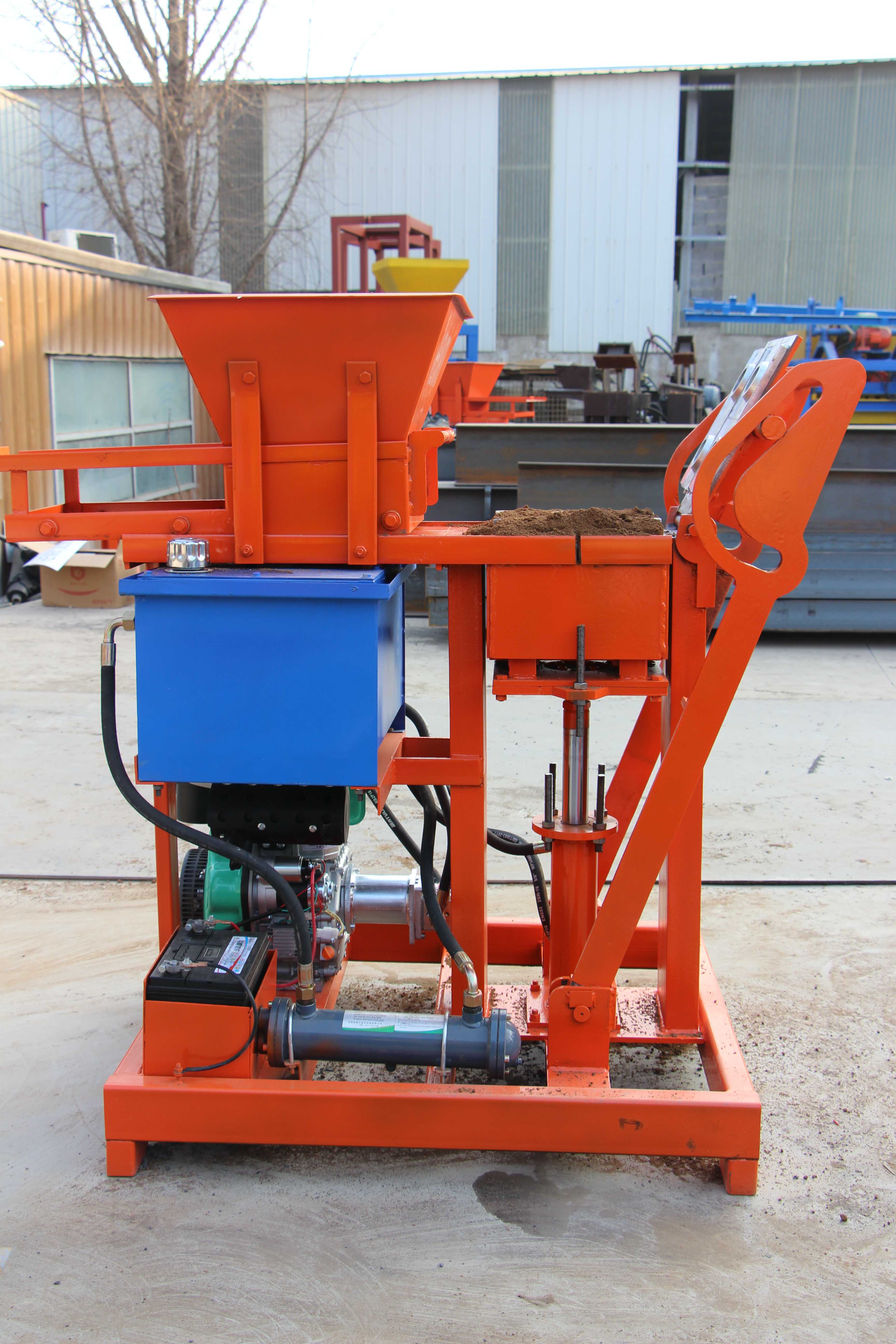
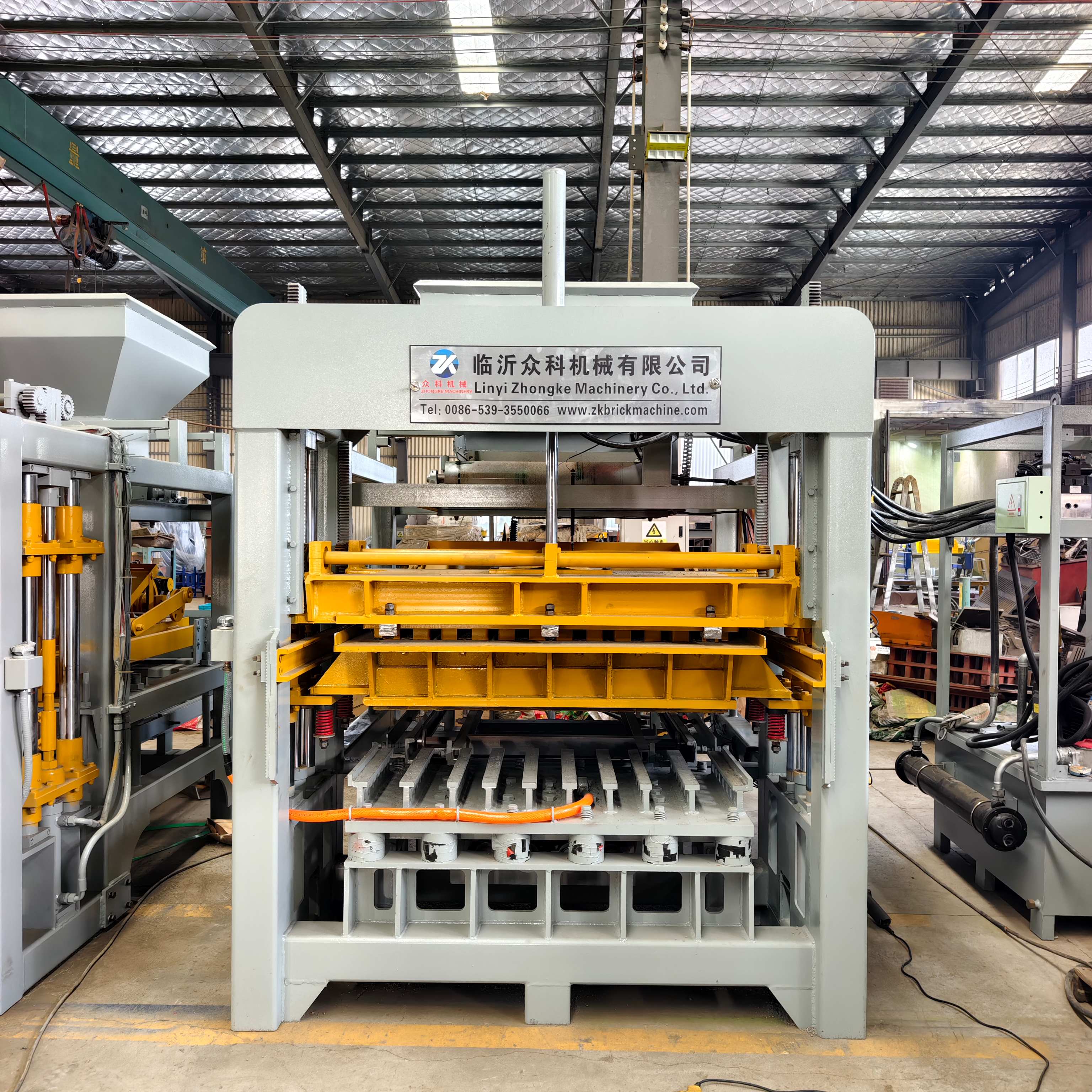
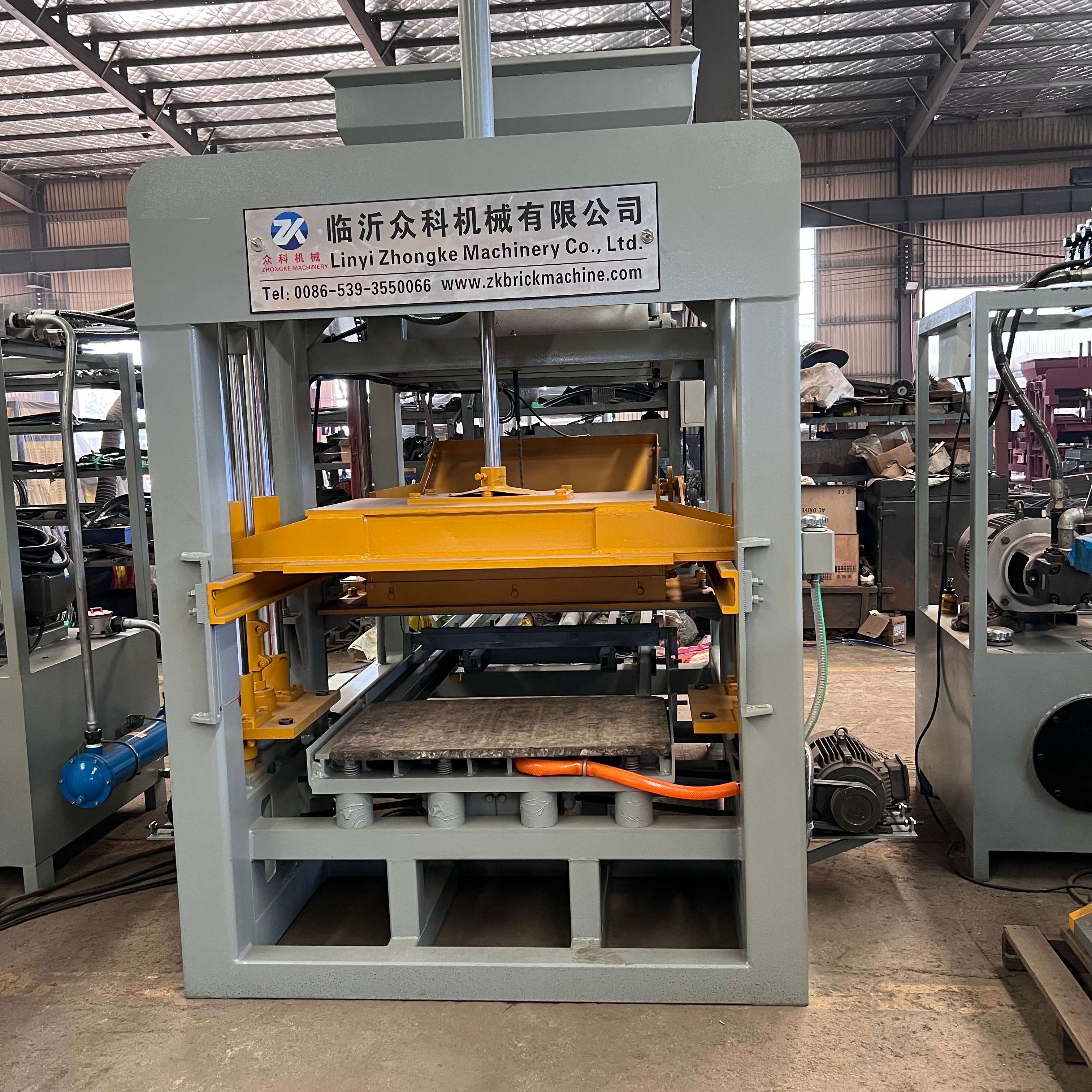
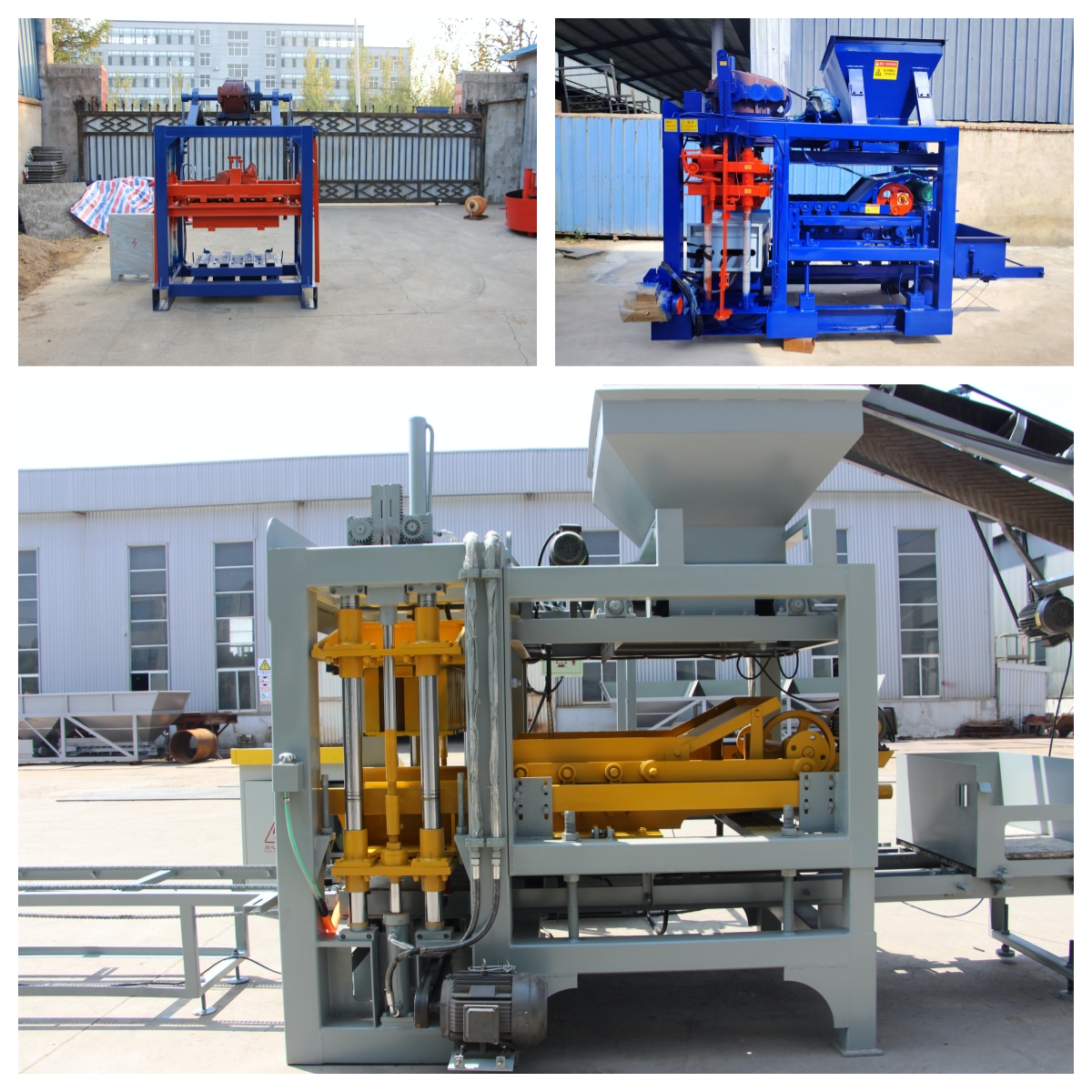
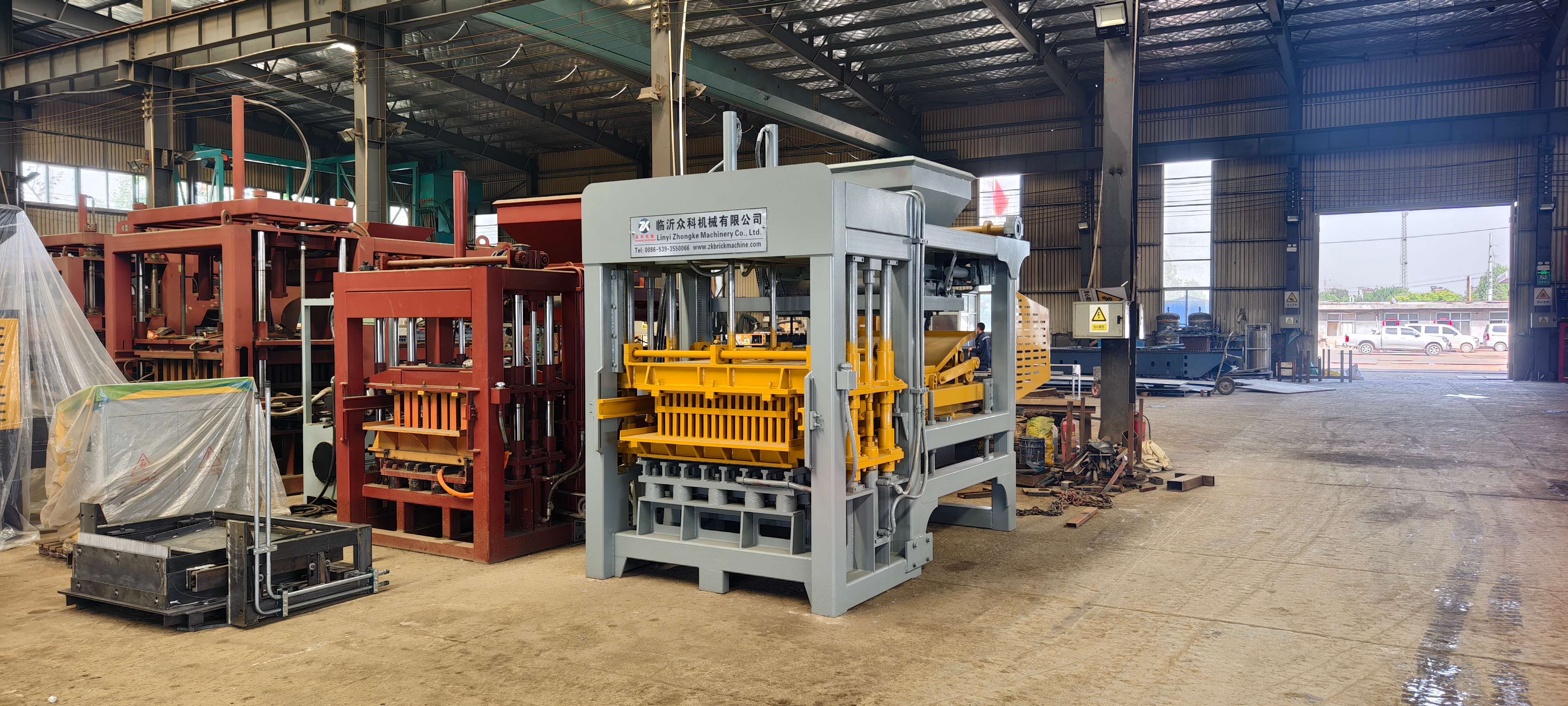
A wide variety of concrete brick-making machines is available on the market.
When selecting a machine, it is crucial to consider the different models and their unique features, as different machines cater to different customer bases and production requirements. For instance, fully automated brick-making machines typically feature PLC control systems and sophisticated intelligent operating systems, resulting in significantly higher production efficiency. In contrast, manual or semi-automated models require more human intervention, leading to lower production efficiency compared to fully automated systems. Ultimately, the choice depends on your budget and production needs.
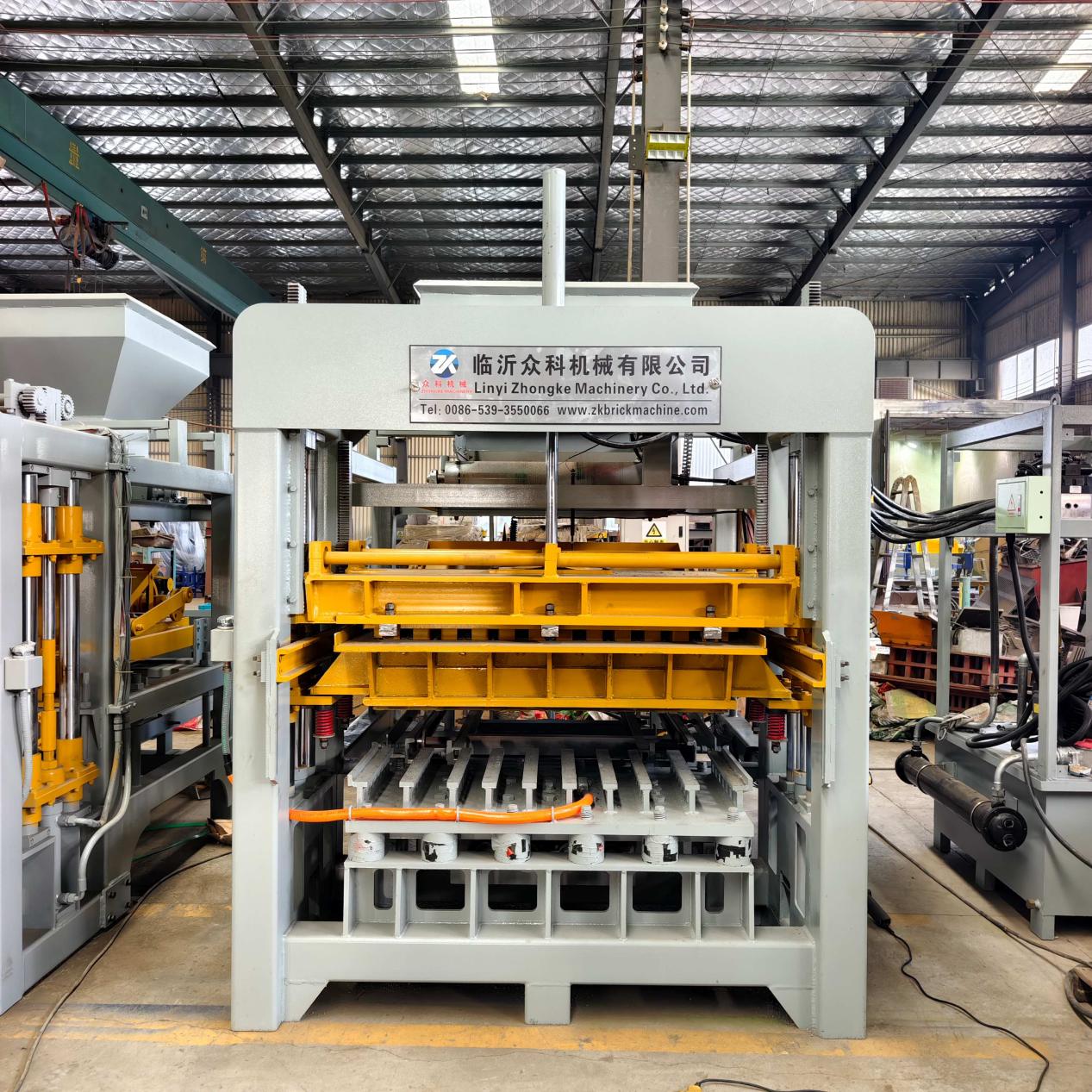
When selecting a concrete brick-making machine, pay close attention to the following parameters:
Durability is a critical factor. As large-scale machinery handling heavy aggregates (such as concrete) and subjected to internal friction and high-intensity continuous operation, a high-quality, durable machine minimizes repair frequency and reduces long-term maintenance costs.
Production capacity is another key indicator. Knowing the hourly output allows for an accurate assessment of cost-effectiveness; conversely, a mismatch can lead to overcapacity and waste.
Ease of operation is also important; user-friendly equipment can shorten worker training periods and boost operational efficiency.
Finally, consider the machine's versatility—specifically, whether changing molds allows a single machine to produce various types of bricks.
Factors affecting the production efficiency of concrete brick-making machines:
The primary factor is the level of automation; higher automation naturally leads to higher production efficiency. Studies indicate that highly automated machines can increase output by at least 30%, making them an excellent choice for high-volume brick plants.
Raw material quality plays a role; high-quality aggregates enhance brick durability, and the uniformity of the aggregate mixture is crucial to the quality of the finished product.
Aggregate moisture content: An optimal moisture level ensures the quality of the green bricks (unfired bricks), whereas improper moisture levels can lead to damage.
FAQs:
Q: What types of concrete brick-making machines are available on the market?
A: They are categorized into fully automatic and manual models. Fully automatic models boost production efficiency, while manual models offer greater flexibility.
Q: How does automation affect production speed?
A: Automation can increase production capacity by over 50% and significantly reduce labor hours, making it highly beneficial for many factories.
Q: What factors should be considered when purchasing a brick-making machine?
A: Evaluate production scale, budget, and brick specifications, while also considering raw material processing and the brick curing process.
Q: Can manual production lead to quality issues?
A: Yes; human error can result in poor product consistency. Using manual mode requires balancing flexibility with product quality.
Q: Is it worth investing in high-quality equipment?
A: High-quality equipment can boost production capacity; although the initial investment is higher, it can lead to greater profits.
Q: What problems are associated with low-priced equipment?
A: Low-priced equipment often suffers from frequent breakdowns, leading to increased maintenance costs and reduced overall production efficiency.
Q: How can a factory balance costs and production efficiency?
A: By basing decisions on actual needs and balancing short-term and long-term goals to achieve sustainable operations.