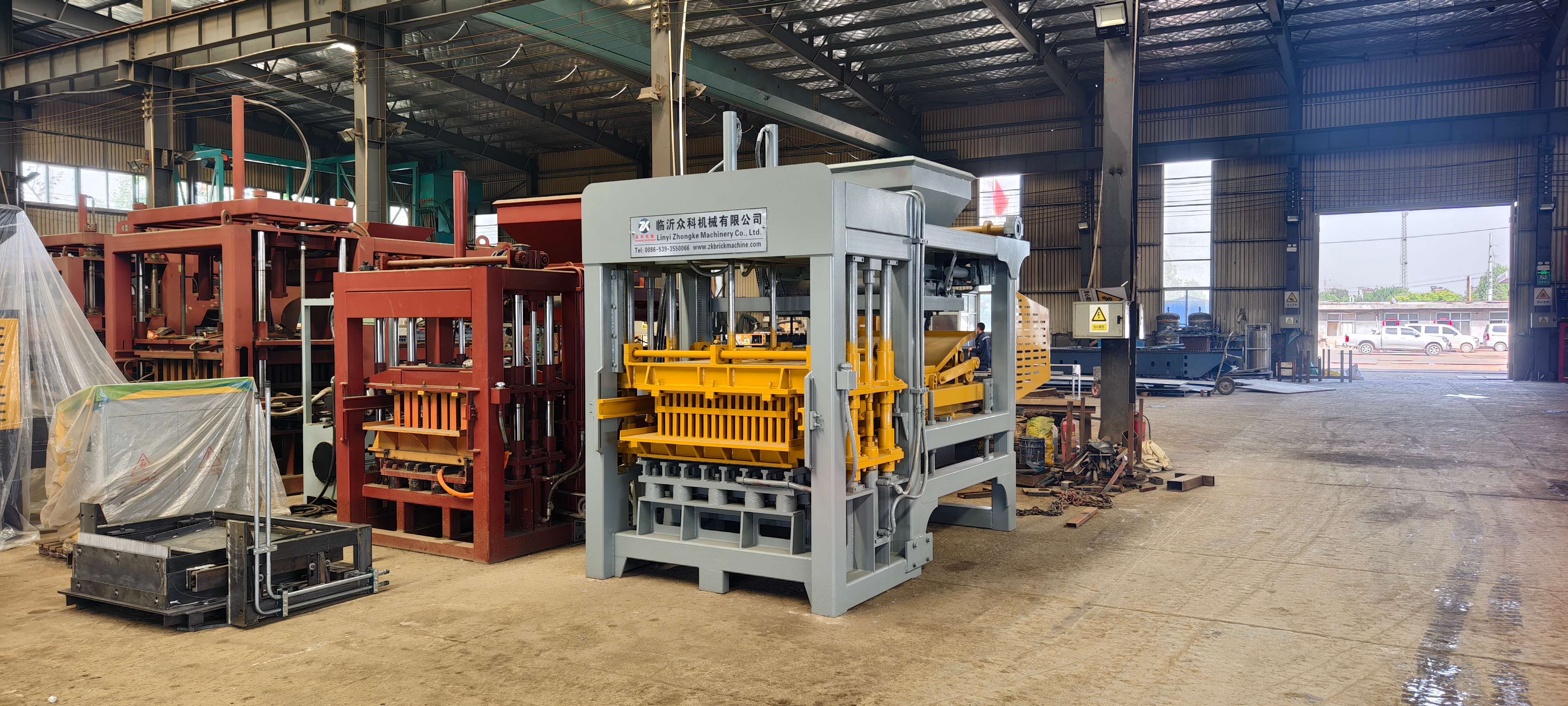

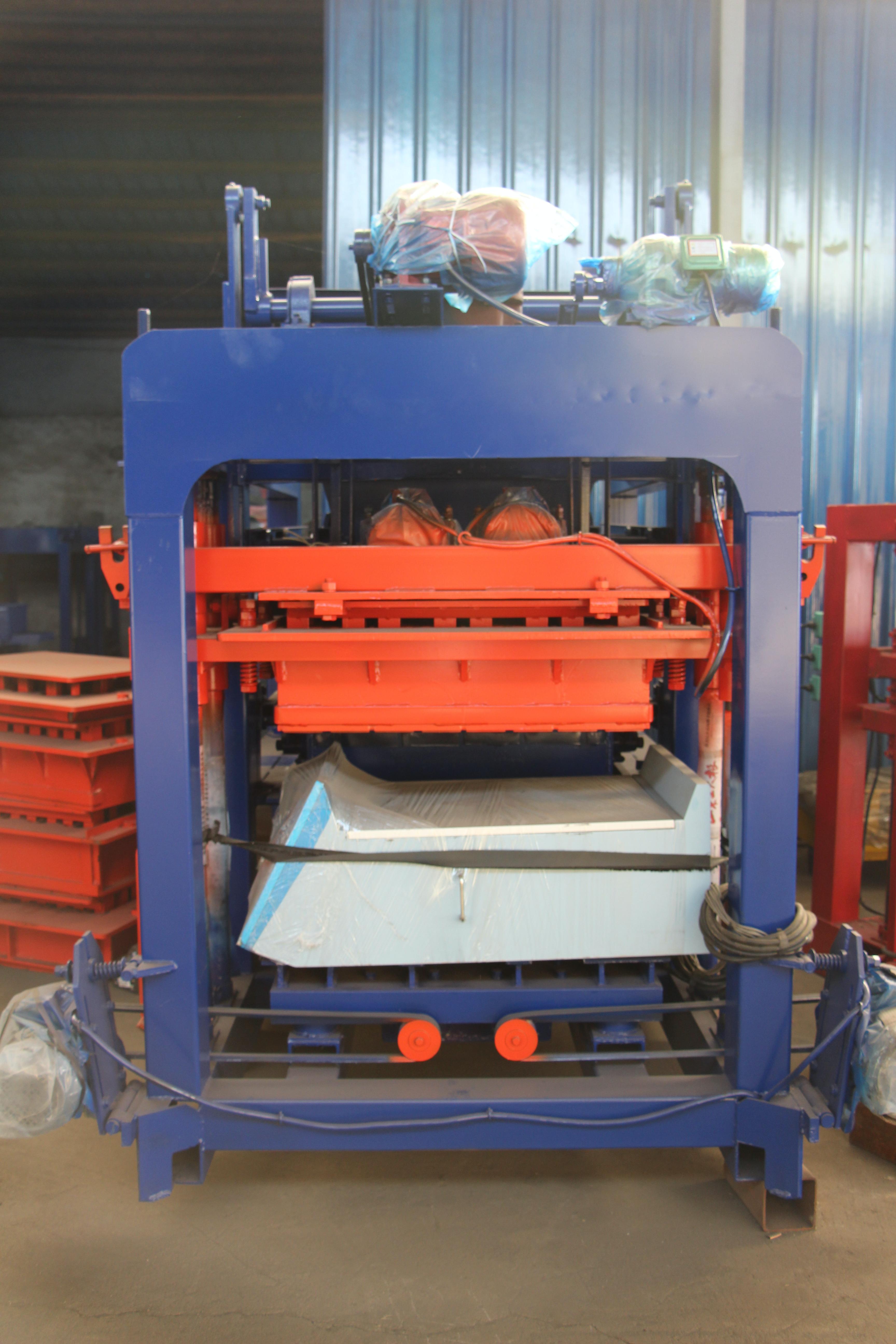
2026 Brick Making Machines for the Construction Industry
A 2026 report by the International Energy Agency and the United Nations Environment Programme showed that the building sector accounts for approximately 30% of global energy consumption and generates about 26% of energy-related carbon emissions, highlighting the importance of low-carbon and environmentally friendly equipment.
Regarding raw materials, red bricks require large amounts of arable clay, which significantly damages farmland. Furthermore, quarrying destroys vegetation, causing soil erosion and potentially endangering human lives.
In the production process, red bricks require kilns operating at continuously high temperatures, often using coal and heavy oil. The firing process releases large amounts of pollutants: sulfur dioxide and nitrogen oxides, contributing to acid rain; and particulate matter such as PM2.5 and PM10, polluting the air.
There are also extremely high levels of carbon dioxide emissions, which damage the ozone layer.
Regarding subsequent waste disposal: if waste fumes are not effectively treated, they will pollute the surrounding air and affect the daily lives of nearby residents. Furthermore, substandard bricks will accumulate waste, and the washing process will generate mud and wastewater, which, if discharged indiscriminately, will pollute the soil and groundwater.
Other drawbacks: Longer firing time, while cement bricks can be pressed into shape in just tens of seconds...
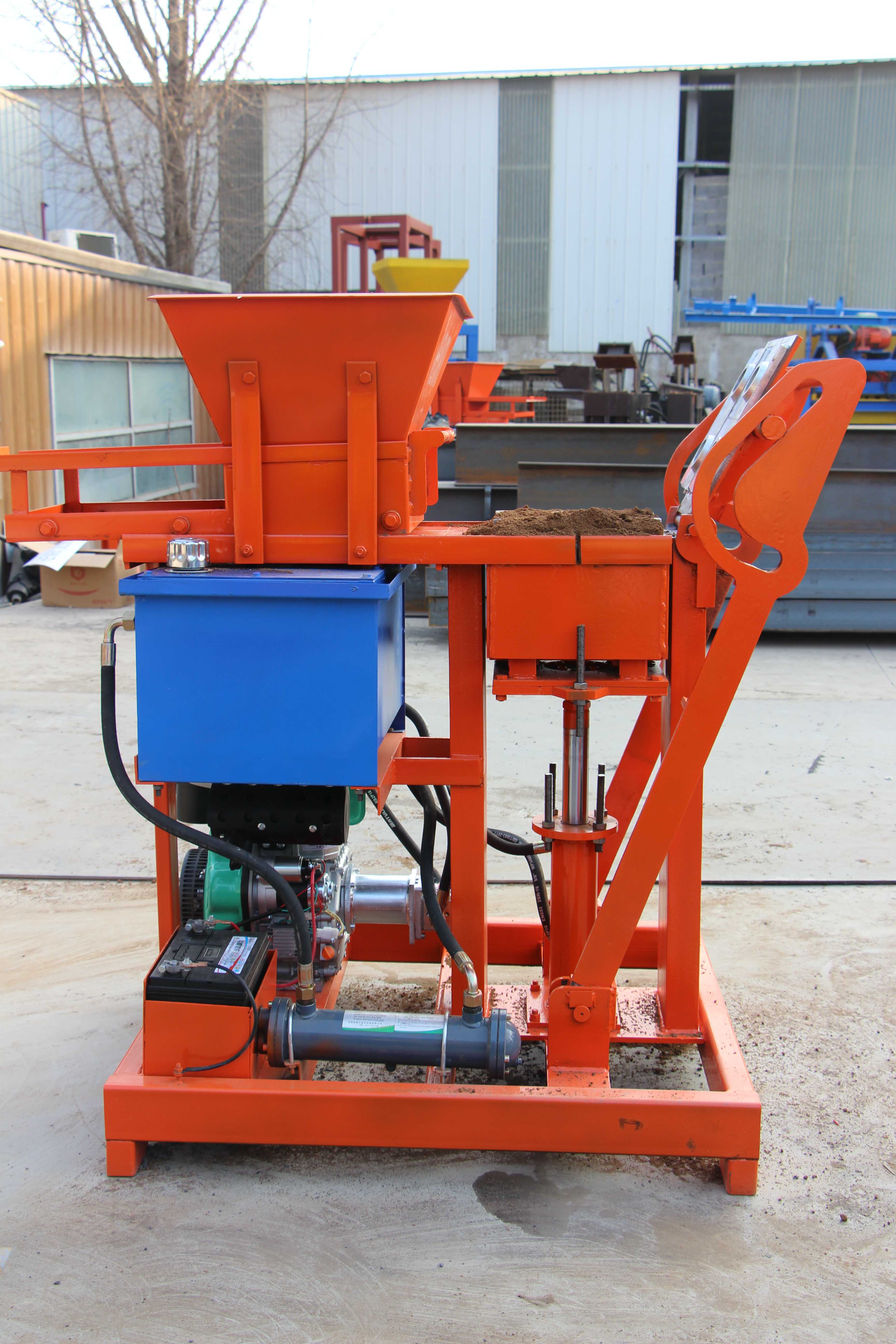
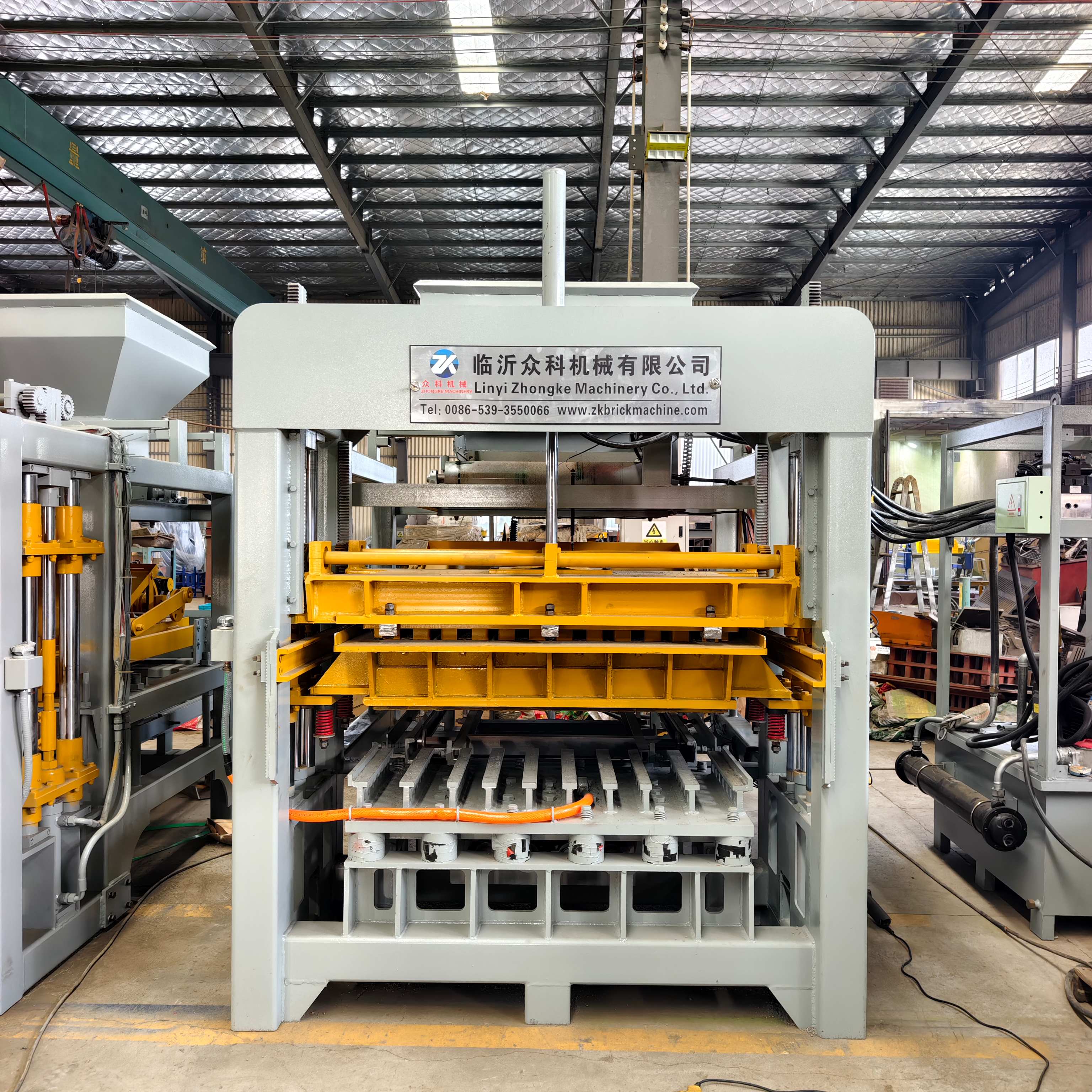
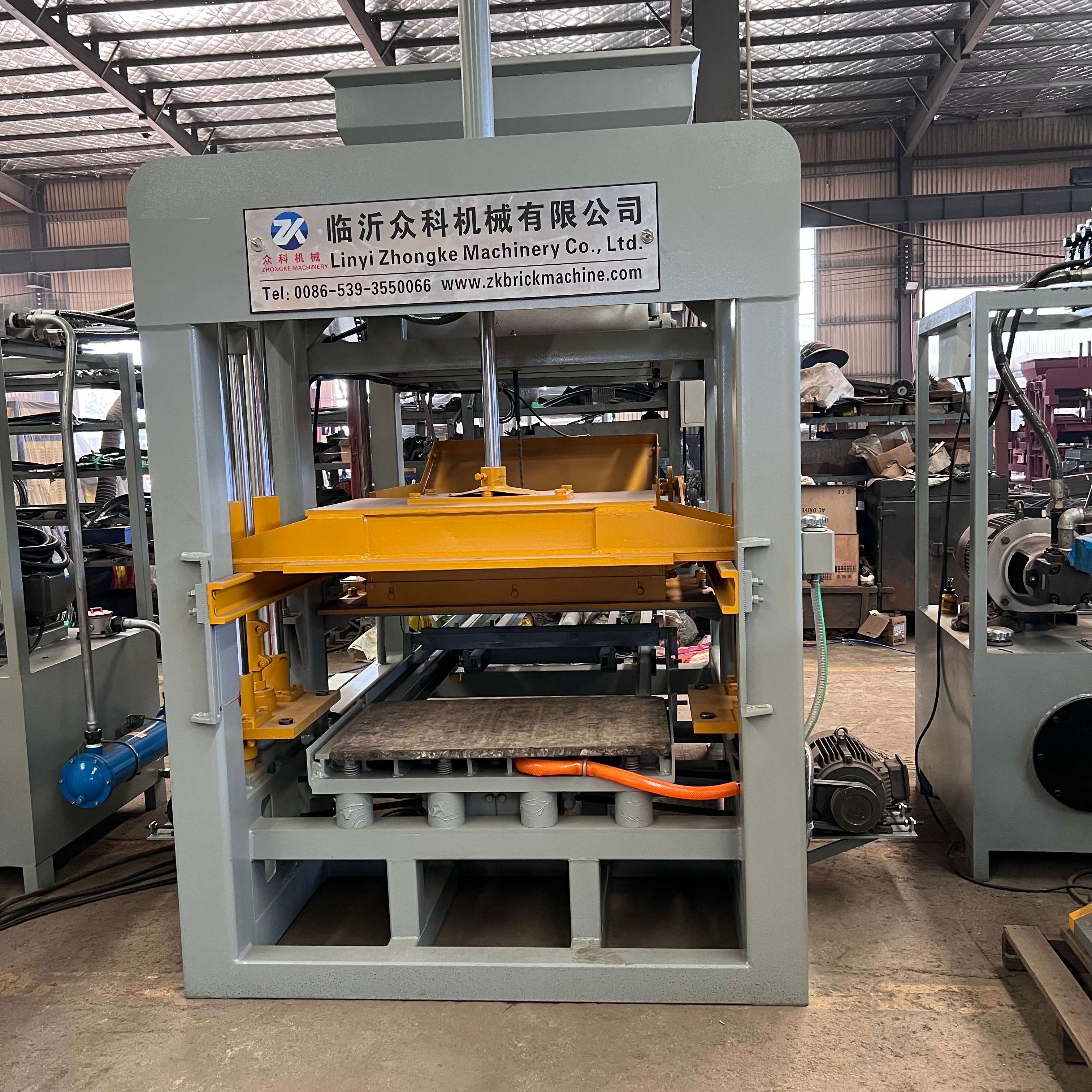
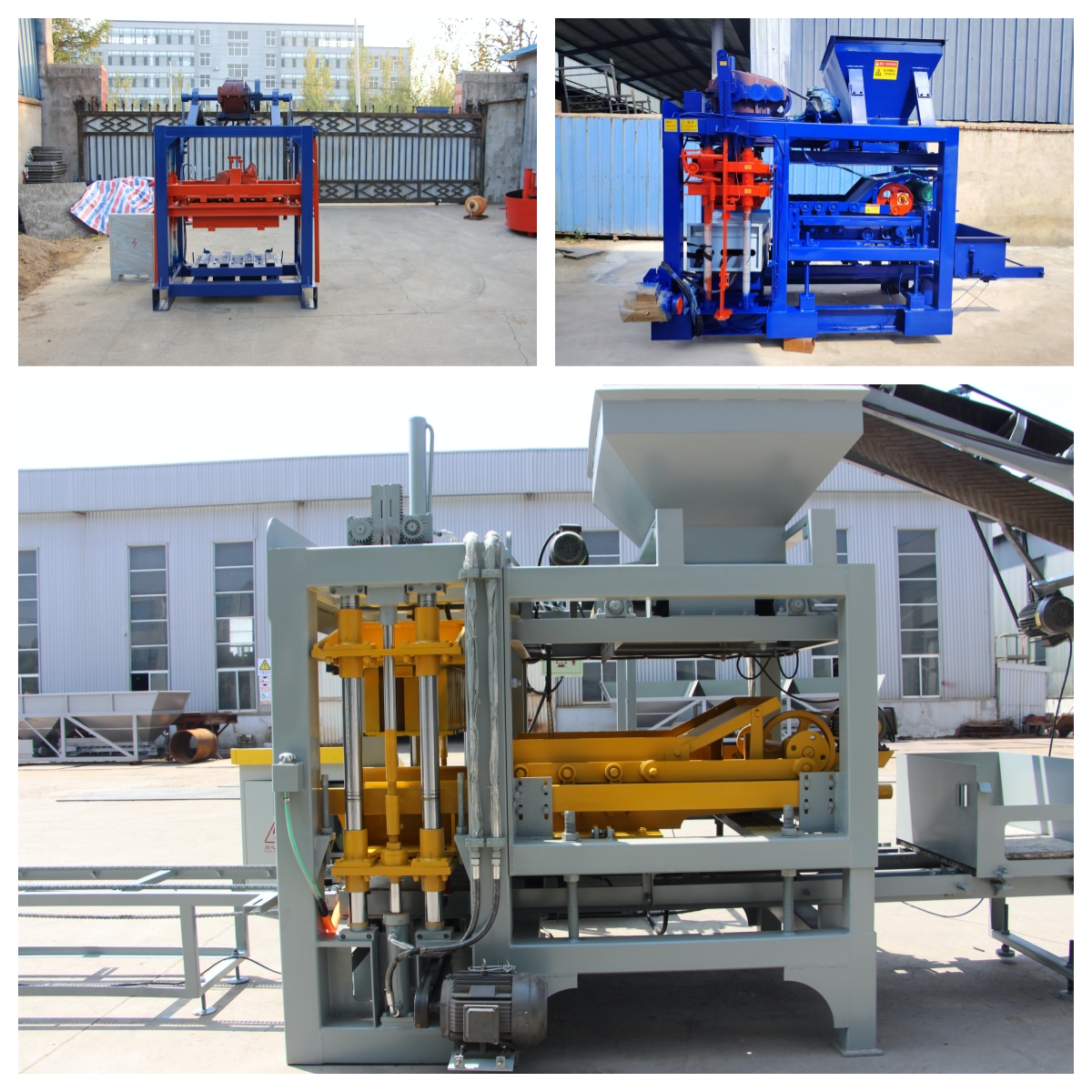
World-renowned brick-making machine manufacturers include Besser, Columbia Machine, Händle, Lingl, Masa, and Steele Machinery. Each manufacturer caters to different customer groups; some target high-end, large-scale brick production lines and factories, while others cater to small, low-volume groups. Each manufacturer designs suitable brick-making machines for its target customers. For example, a brick-making machine using soil from Mexico or Ghana will produce strong and durable bricks, but using soil from Germany or Russia will significantly reduce production efficiency.
Therefore, a trial run of the machine must be conducted before purchasing a brick-making machine, based on detailed local conditions.
Brick-making machine manufacturers' business scope and products: Brick-making machine manufacturers do more than just sell brick-making machines. They also create complete brick production line solutions based on customer requirements, including brick mold size design, ingredient ratio schemes, voltage, power supply conditions, brick curing schemes, and operator training programs.
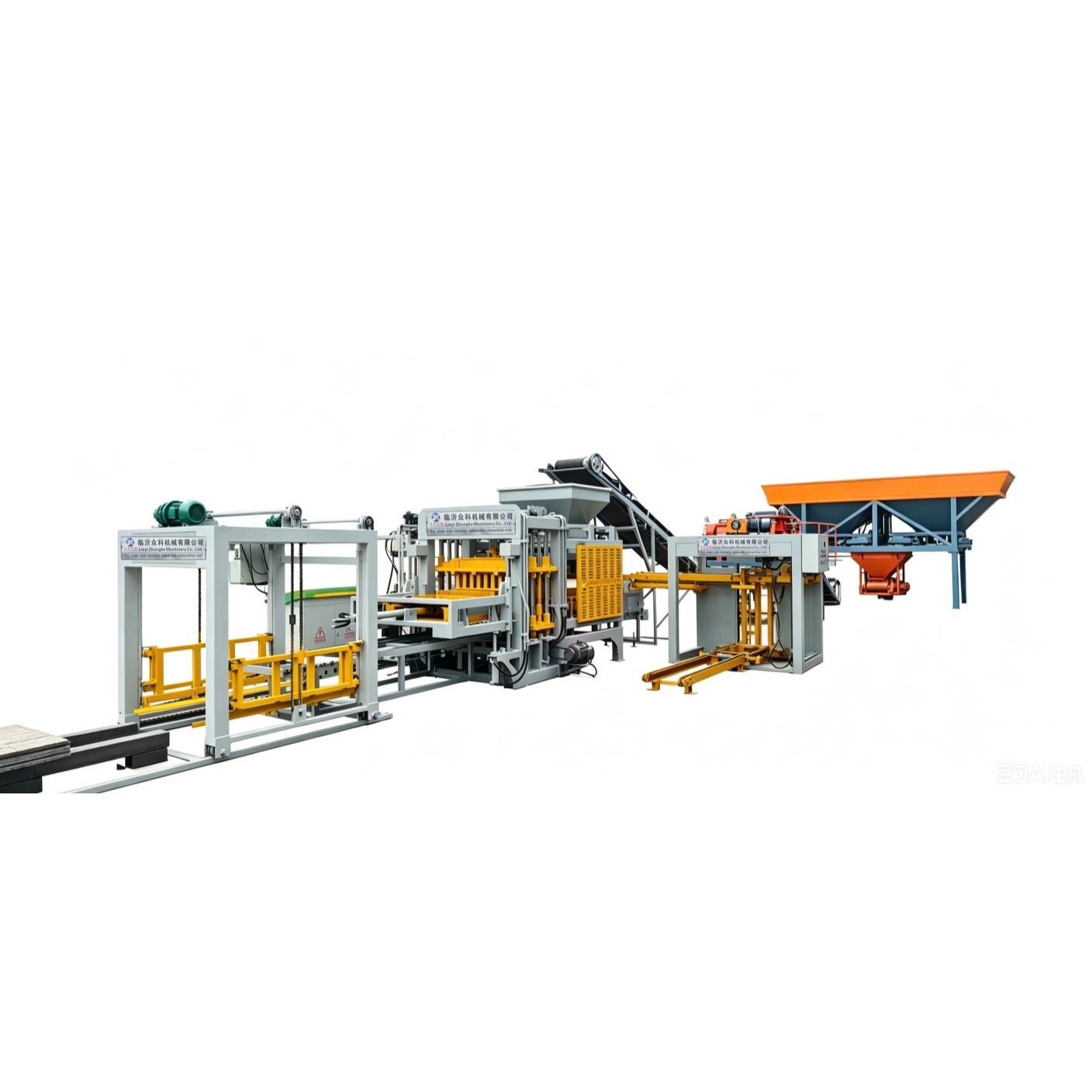
Brick machine manufacturers sell more than just brick machines; they typically also include mixers, batching machines, pallets, loading machines, stacking machines, fabric forming machines, conveyor belts, soaking machines, etc.
Brick manufacturer evaluation: Buyers should not only look at the attractive pictures and text in brochures, but also need to review current affairs information and provide supporting documentation, such as quality certifications, power consumption, energy efficiency, defect rate, brick machine production process, technical personnel response time, and after-sales support.
Brick machine selection guide: When purchasing brick machines, don't just look at the purchase price; also calculate electricity costs, labor costs, molds, maintenance, after-sales service, and downtime losses.
Start small-batch trial production before scaling up production.
In the initial production phase, record product defect rate, energy consumption, etc.