




Types of Cement Bricks and the Selection of Block making Machines
There is a wide variety of concrete blocks available; the specific types of bricks and block-forming machines selected for a given region should be determined based on factors such as production costs, output capacity, and site conditions.
They can be broadly categorized into four types:
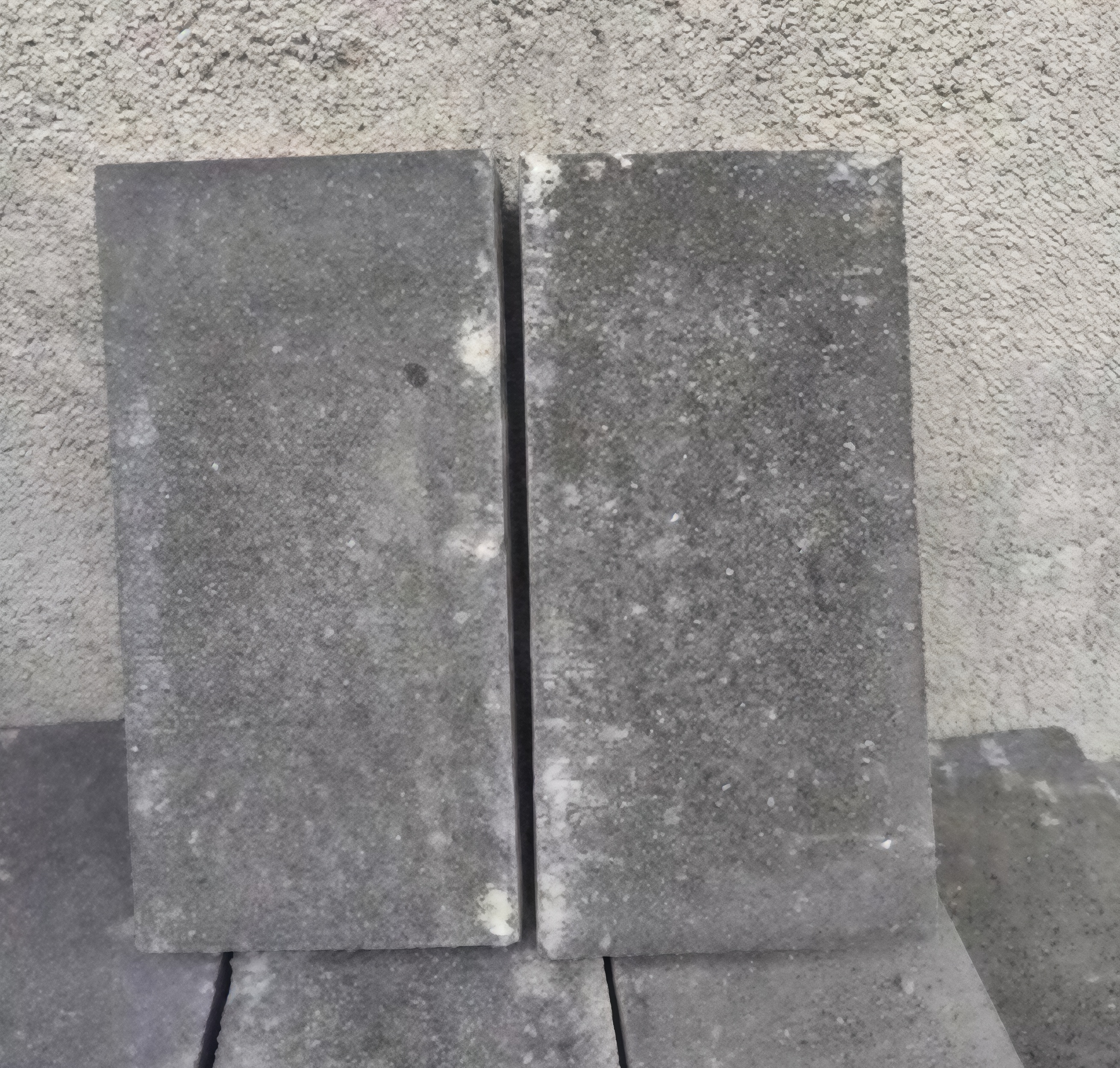
Type 1: Solid concrete blocks. These are dense units primarily used for foundations, load-bearing walls in low-rise structures, and paved surfaces in industrial areas. Molds for solid bricks experience minimal wear, and production costs are relatively low.
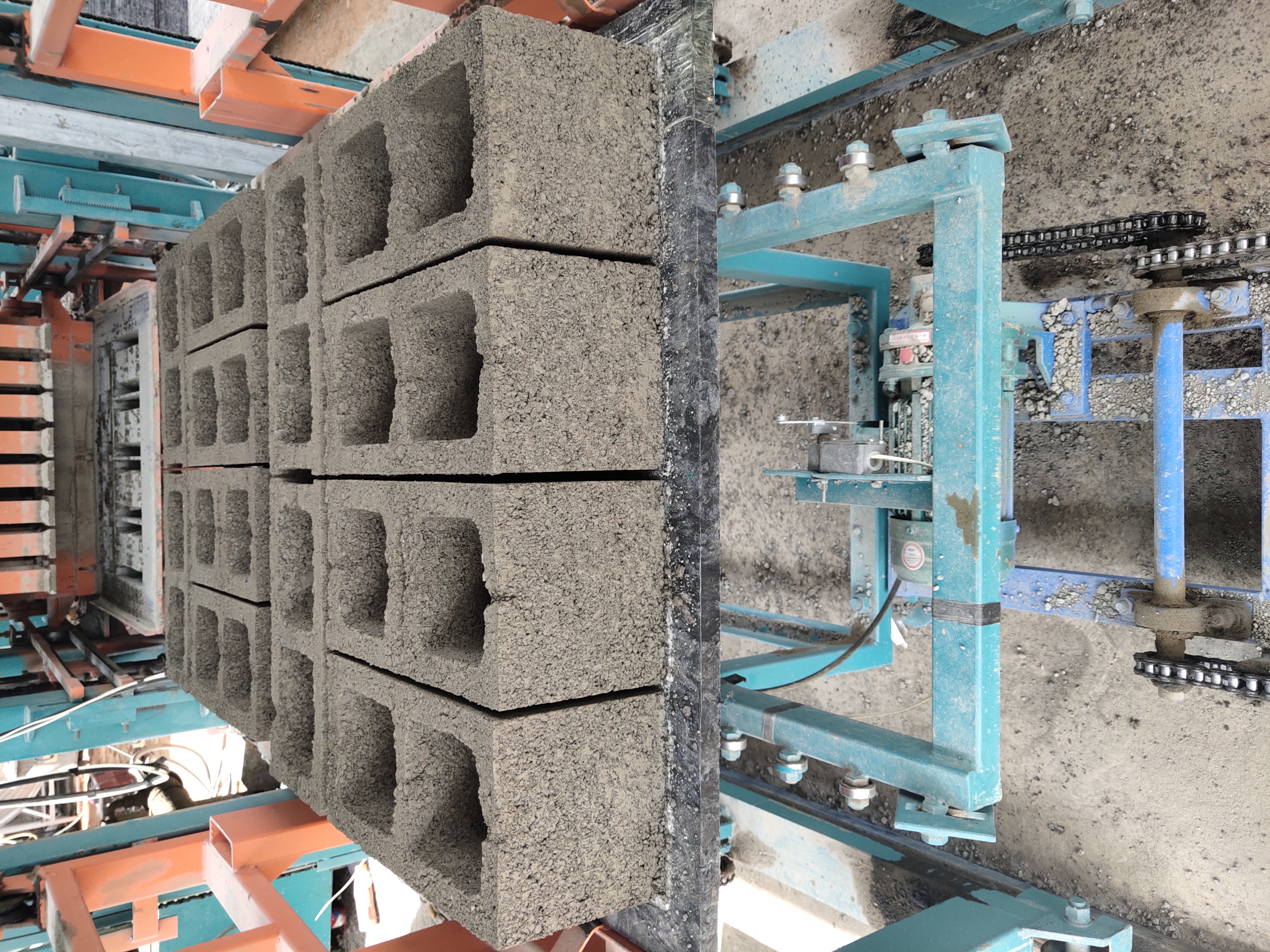
Type 2:
Hollow concrete blocks, available in sizes such as 4, 5, 6, and 8 inches. Because these blocks feature internal cavities, they require less material and are lighter in weight; furthermore, the hollow spaces provide benefits such as improved sound insulation and thermal retention, making them the preferred choice for partition walls in multi-story buildings.
Type 3:
Municipal ecological bricks—such as permeable pavers, grass pavers, and curbstones—involve a 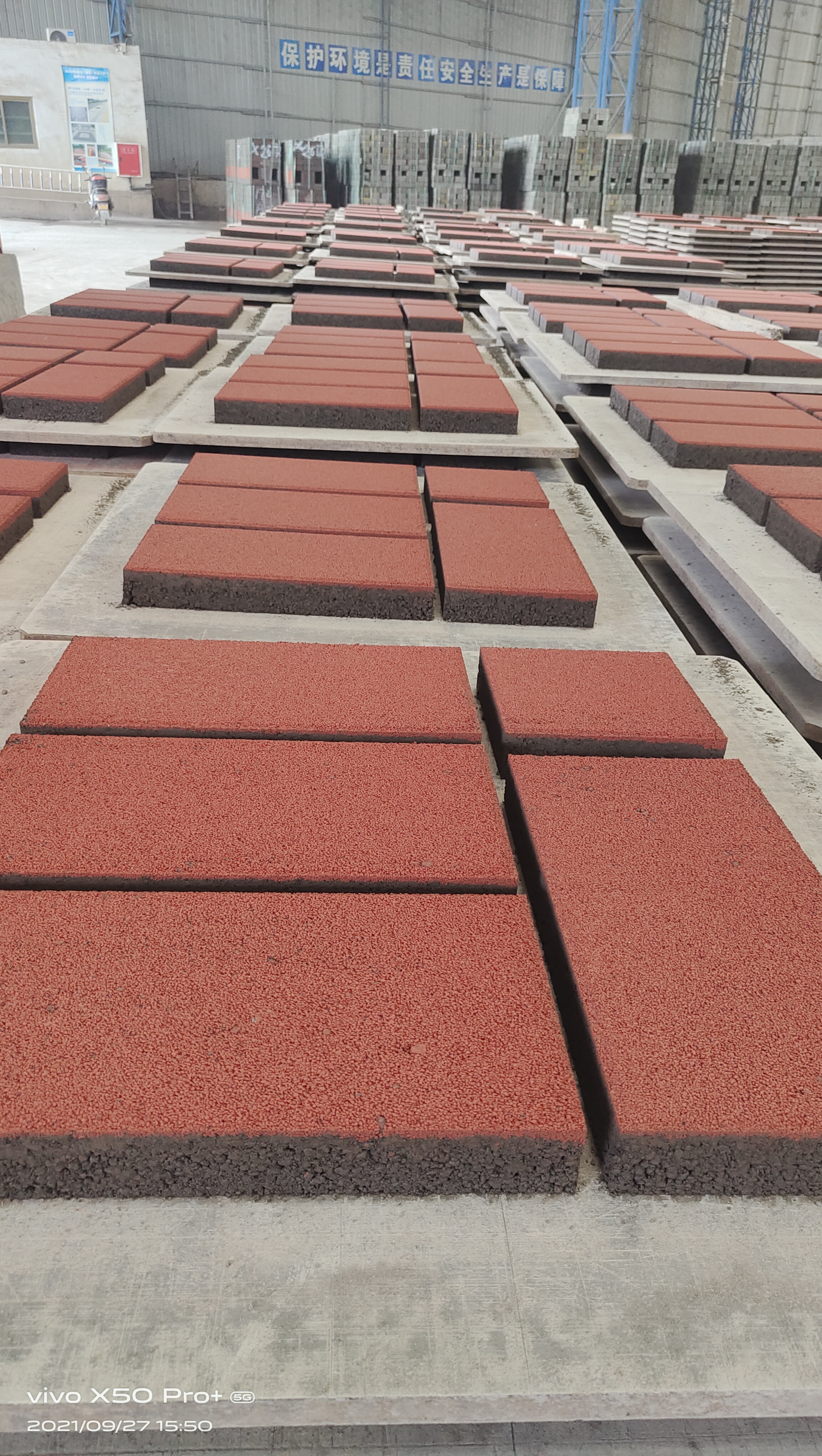
Type 4:
Interlocking bricks—a type of brick designed to automatically fit together and lock in place without 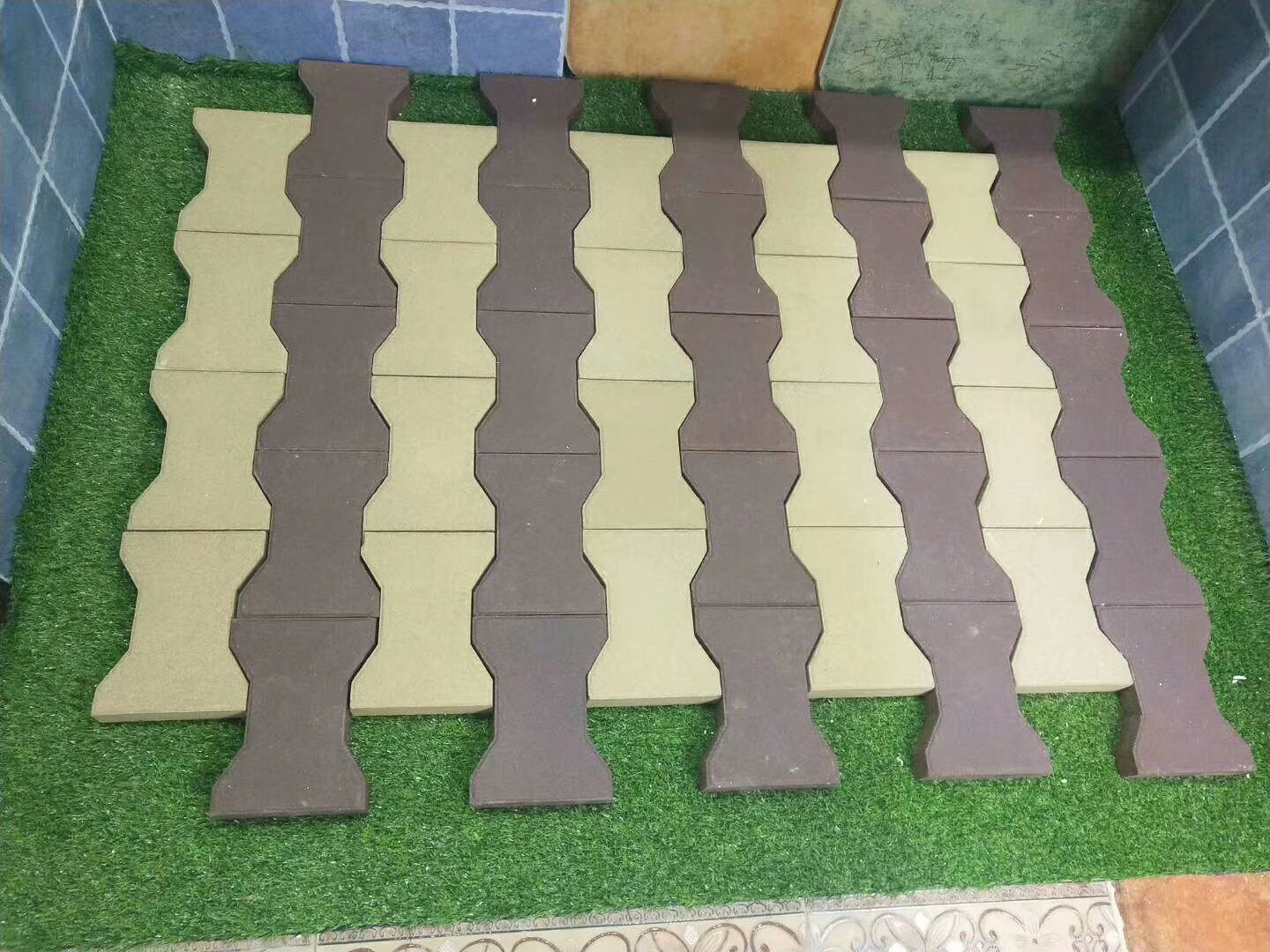
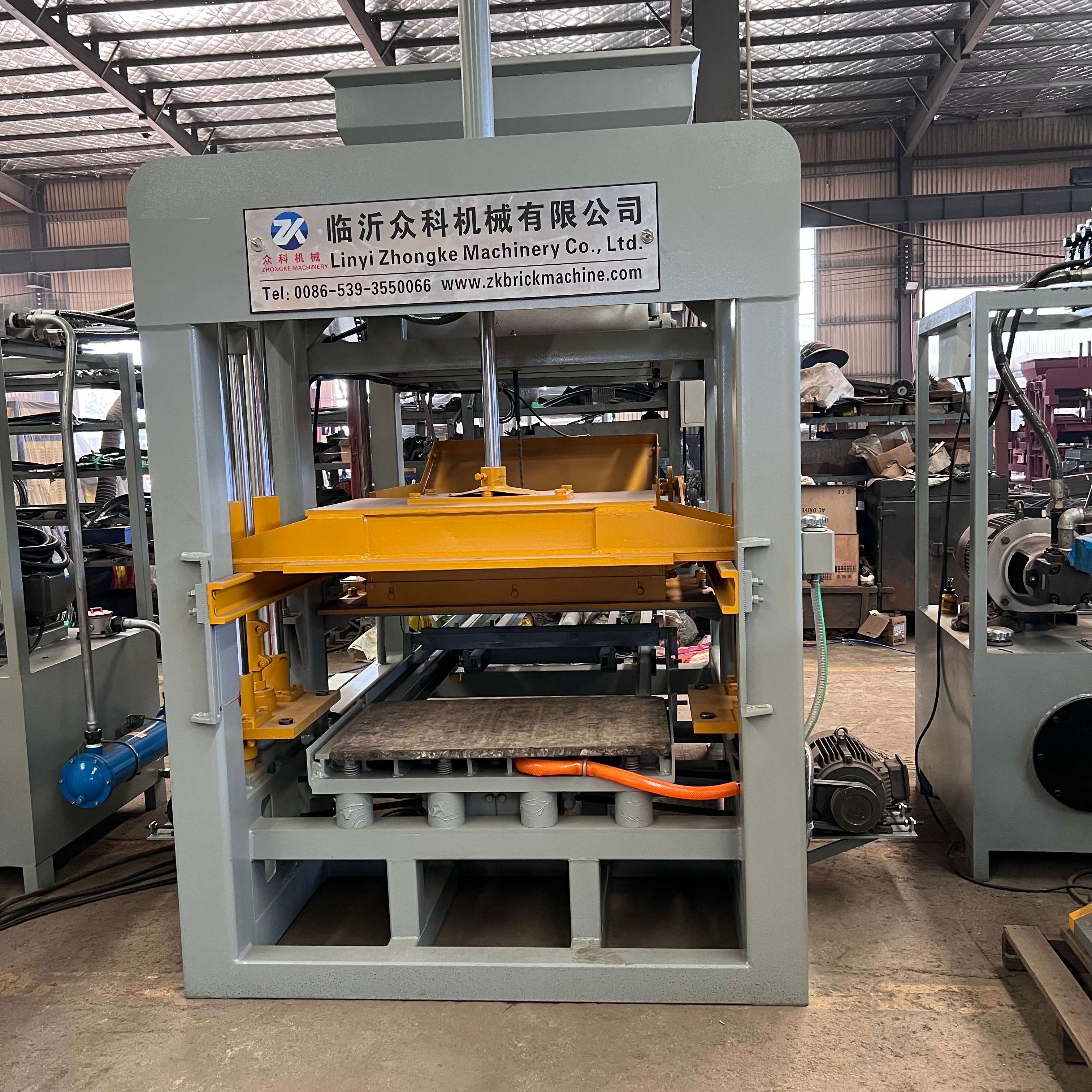
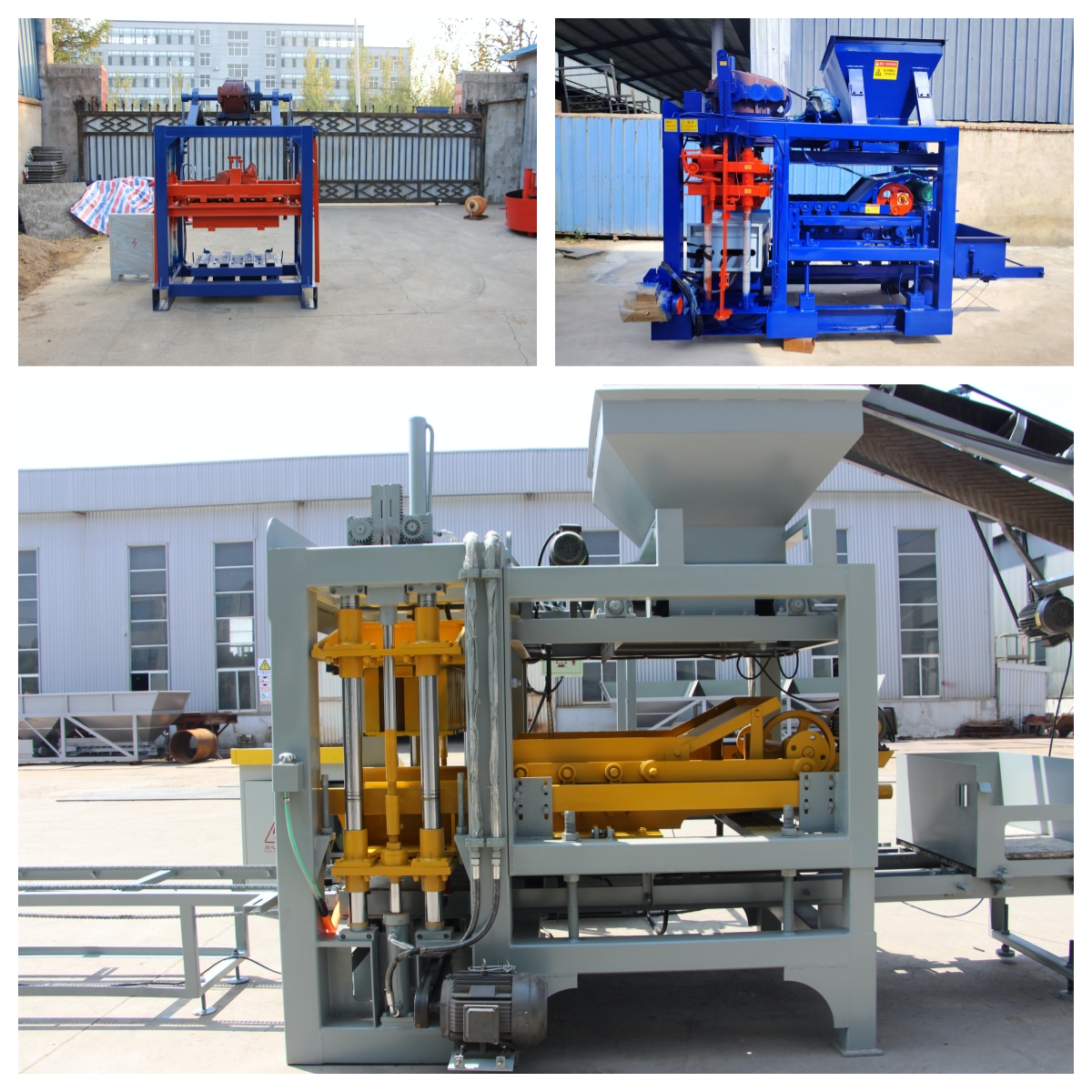
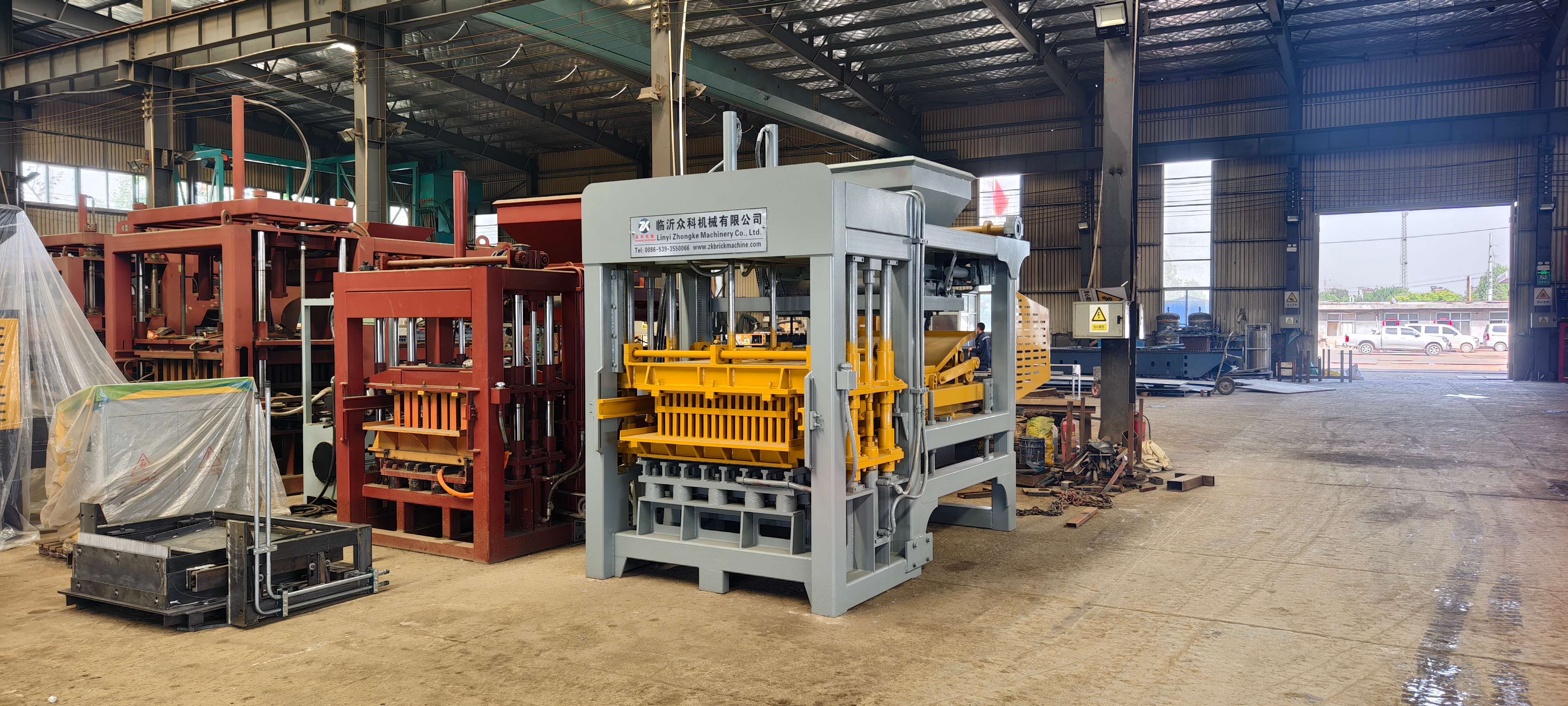
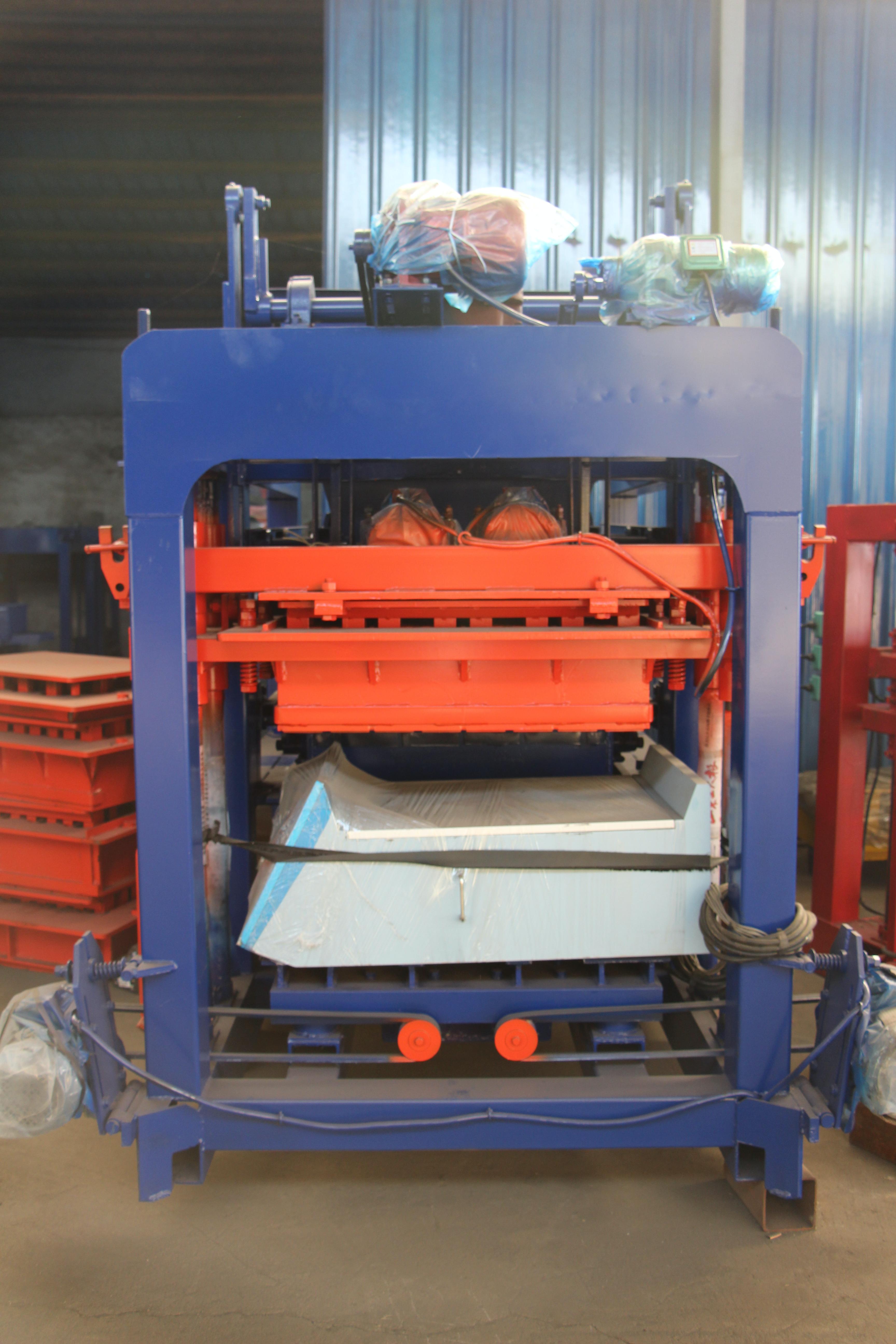
Brick-making machines can also be broadly categorized based on their mobility, molding and pressing methods, and level of automation.
Categorization by mobility:
They are classified into mobile cement brick machines and stationary brick-making machines.
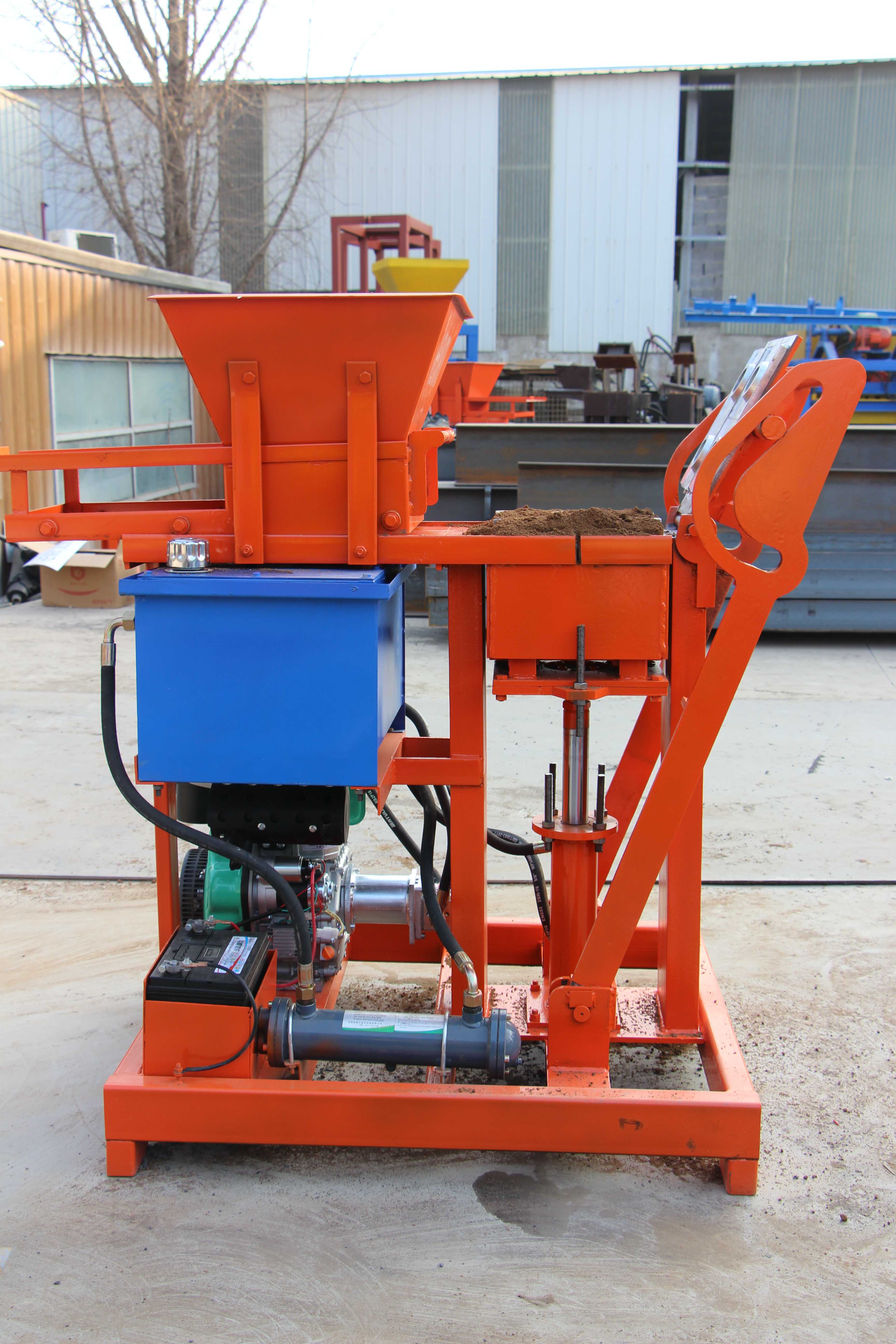
The difference between mobile and stationary machines is that mobile units are equipped with wheels and do not require pallets to support the bricks; instead, they mold the bricks directly onto the ground, which necessitates a sufficiently large site.
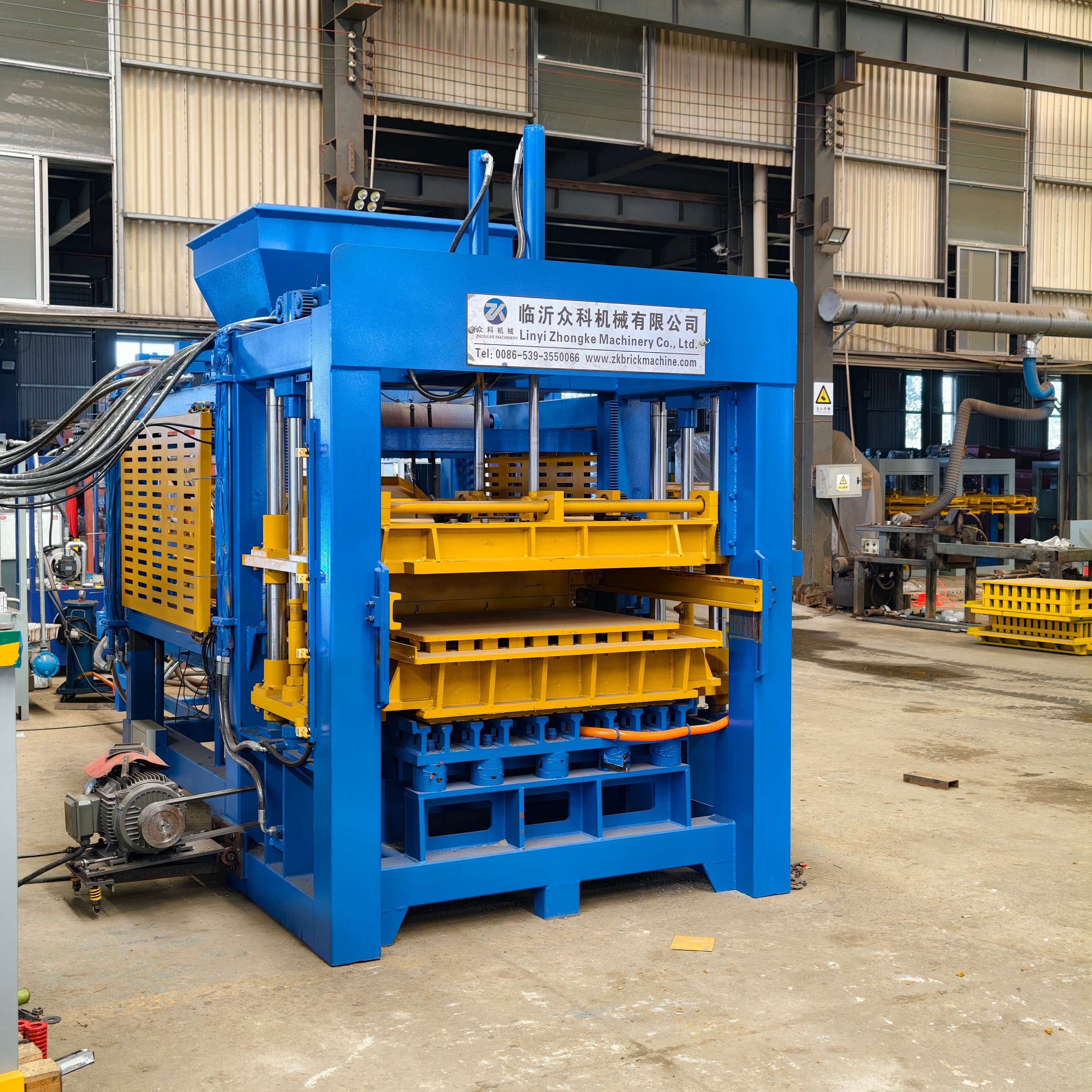
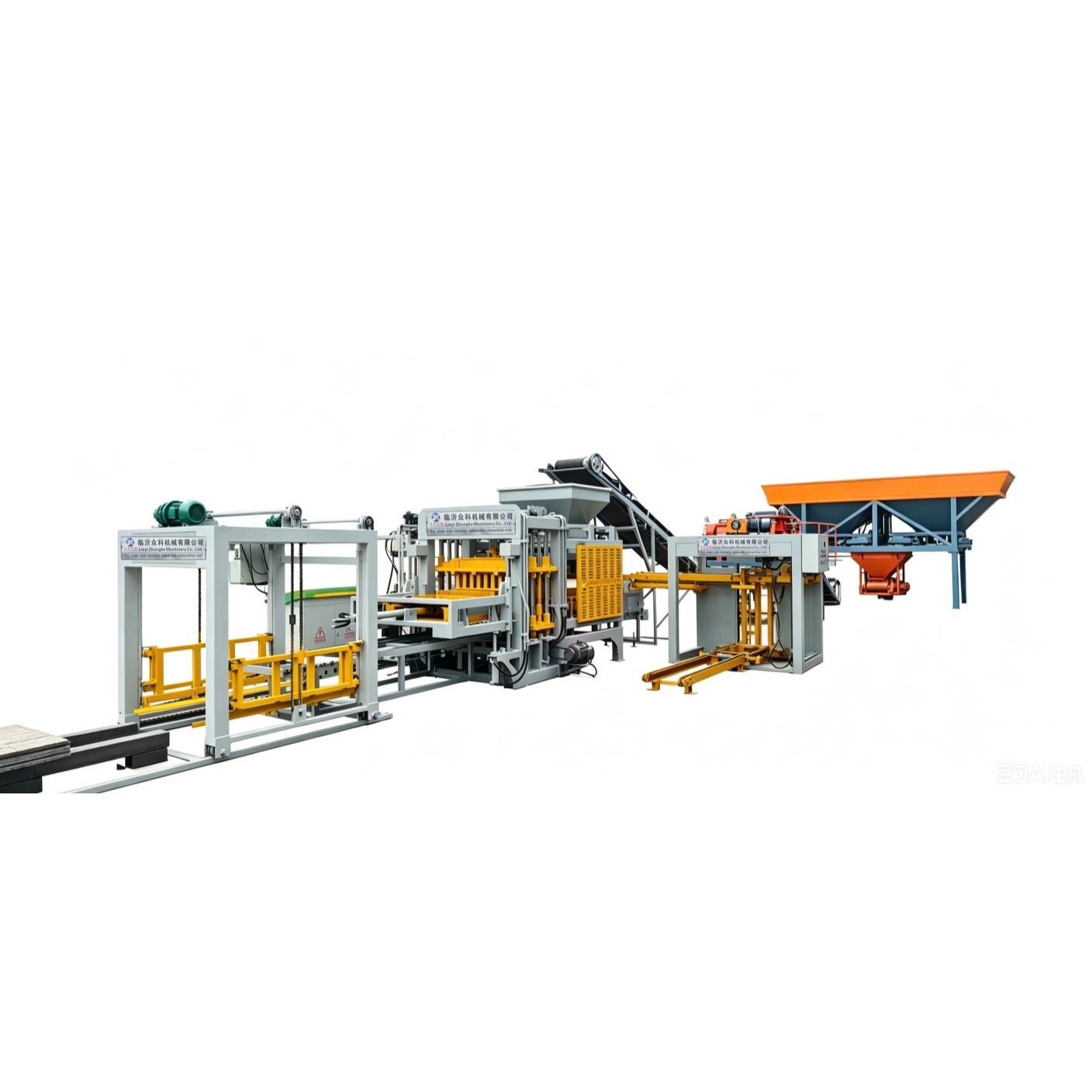
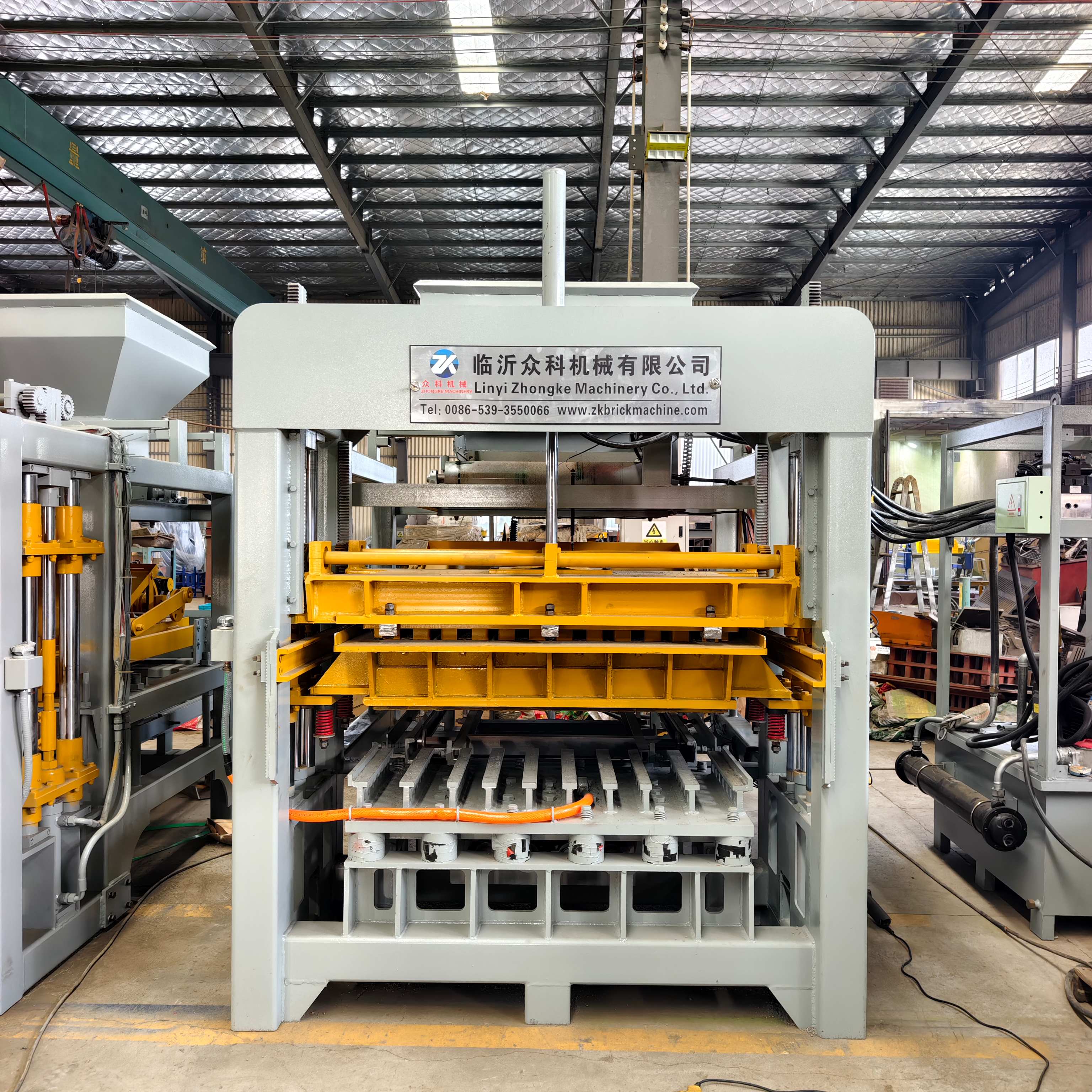
Stationary brick-making machines must be installed on a hardened surface and require pallets to hold the green bricks; they feature powerful vibration and pressing capabilities, making them suitable for long-term factory operations.