Looking for a reliable way to speed up your construction projects? A solid Concrete Block Machine might just be what you need. In this super competitive industry, picking the right machine really makes all the difference. There are tons of manufacturers out there, each offering different features that cater to various business sizes and needs, so it’s easy to get overwhelmed.
Producing building materials smoothly and accurately is key, but surprisingly, not everyone pays enough attention to how much the quality of machinery impacts overall productivity. Going for a reputable concrete block machine helps you not only ramp up your output but also keep the quality consistent — a win-win. Big brands like LONTTO, Hongyi, and Qunfeng have a good selection of machines, whether you're running a small operation or a big one.
That said, it’s smart to be cautious about some pitfalls. For example, some machines that seem like a bargain upfront could end up costing you more in repairs and maintenance later on. It’s all about weighing the pros and cons carefully. When you understand these little differences, you'll be better equipped to pick the perfect Concrete Block Machine that fits your specific needs. Trust me, a little research can go a long way in making the right choice!
Understanding Concrete Block Machines: An Overview
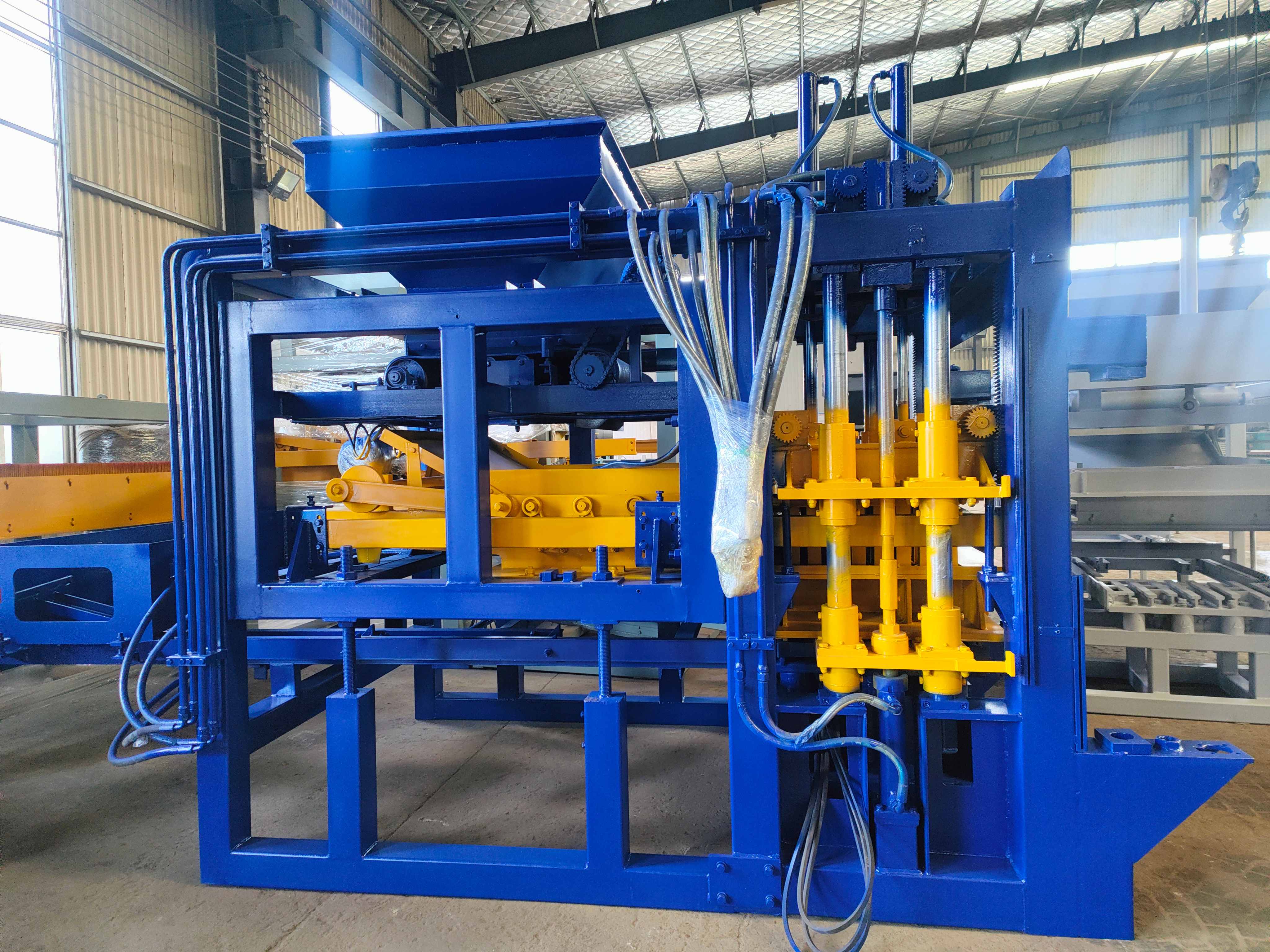
In the construction industry, concrete block machines play a vital role in producing durable building materials. These machines vary widely in capacity and technology. A report by the International Concrete Block Association states that the global demand for concrete blocks is expected to grow by 4% annually through 2026. This growth reflects the increasing need for high-quality, sustainable building solutions.
Concrete block machines can be categorized into manual, semi-automatic, and fully automatic types. Manual machines are cost-effective but require more labor. Semi-automatic options offer a balance, while fully automatic machines enhance efficiency. Data suggests that businesses investing in automated systems can see a reduction in labor costs by up to 30%. However, the upfront investment can be a significant barrier for small businesses.
One concern with these machines is their reliance on local materials. Sourcing quality aggregates is essential for producing strong blocks. Using subpar materials can lead to structural issues. This concern emphasizes the importance of local supply chains and quality control in the production process. As the industry evolves, manufacturers must seek innovations to balance cost with quality, ensuring longevity in their products.
Key Features of Wholesale Concrete Block Machines
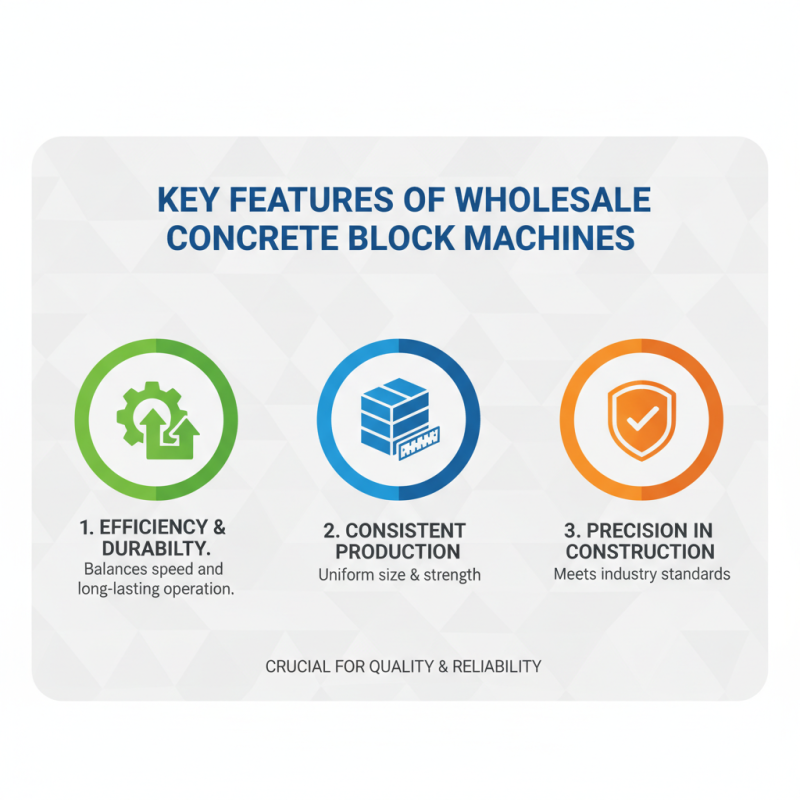
When selecting a concrete block machine for wholesale purposes, understanding key features is crucial. Operators should look for machines that balance efficiency and durability. A quality machine will produce blocks consistently, ensuring uniformity in size and strength. This aspect is vital in construction, where precision matters.
Another essential feature is automation. Machines with advanced automation reduce labor costs and minimize human error. Yet, some may find these machines challenging to maintain. Users should consider the ease of service and the availability of spare parts. Effective after-sales support is equally important, as it can prevent prolonged downtimes and costly repairs.
Flexibility is also a notable factor. Machines that offer adjustable settings can cater to different block types. This adaptability is beneficial for businesses that wish to diversify their product line. However, it’s important to assess whether the machine's versatility compromises its efficiency in production. Balancing these aspects can sometimes require trial and error. Hence, thorough research and careful consideration are essential before making a purchase.
Top Manufacturers of Concrete Block Machines in China
When exploring the top manufacturers of concrete block machines in China, several factors are essential. The expertise of these manufacturers plays a crucial role in the industry. Many companies focus on innovative designs and efficient technology to meet the growing demands of construction businesses. A strong understanding of materials and production processes distinguishes leading manufacturers from newcomers.
These manufacturers often produce various machines, including the Concrete Block Cutter Machine. This specific type of equipment is vital for precision cutting and shaping blocks. Efficient cutting improves production rates and reduces waste. Some manufacturers also offer customizable solutions to cater to unique project needs. However, it’s important to evaluate each supplier's reliability and quality standards critically.
Businesses must consider their specific requirements when selecting a concrete block machine. There are many options available, but not all may fit your needs perfectly. Some machines may lack durability under heavy use, while others might not have the necessary features for your projects. Carefully research and reflect on your choices to ensure the best investment for your business.
Top 10 China Wholesale Concrete Block Machine Options for Your Business Needs
Comparative Analysis of Block Machine Types for Different Needs
When choosing a concrete block machine, understanding different options is crucial for optimizing your business needs. There are mainly three types: manual, semi-automatic, and fully automatic machines. Each type caters to different production scales and labor requirements. Manual machines are ideal for small operations, requiring minimal investment. They demand skilled labor and can produce a limited quantity of blocks. This method offers flexibility but can slow down overall production.
Semi-automatic machines strike a balance. They offer increased output, reducing labor costs while maintaining some manual input. These machines are suitable for medium-sized businesses aiming for growth without a huge financial outlay. However, operators may find the transition challenging. It requires training to maximize efficiency. Fully automatic machines provide high output and consistency. They cater to large-scale operations needing high-volume production. Although costly, they ensure less labor involvement and greater precision in block making.
Deciding on the right machine means evaluating your operational goals and production capacity. Each type has its own pros and cons, possibly leading to regrets if chosen hastily. Investing in technology must also align with your projected market growth. Consider not only the upfront costs but also potential maintenance and operational challenges that could arise down the road. The path to success involves careful planning and a willingness to adapt as market demands shift.
Top 10 China Wholesale Concrete Block Machine Options for Your Business Needs
| Machine Type |
Production Capacity (blocks/hour) |
Power (kW) |
Weight (kg) |
Feature |
| Automatic Block Machine |
1800 |
40 |
3000 |
High automation |
| Semi-Automatic Block Machine |
1200 |
30 |
2500 |
Cost-effective |
| Mobile Block Machine |
800 |
20 |
1500 |
Portable |
| Hydraulic Block Machine |
1500 |
35 |
3500 |
High pressure |
| Eco-friendly Block Machine |
1000 |
25 |
2000 |
Sustainable materials |
| Interlocking Block Machine |
1100 |
28 |
2800 |
Custom shapes |
| Cement Block Machine |
900 |
22 |
1800 |
Simple operation |
| Moulding Block Machine |
1400 |
32 |
2400 |
Versatile formats |
| Paving Block Machine |
1200 |
30 |
2600 |
Specialized for paving |
| High-Efficiency Block Machine |
2000 |
50 |
4000 |
Maximized output |
Cost Considerations for Purchasing Concrete Block Machines
When considering the purchase of a Concrete Block Making Machine, cost plays a crucial role. Prices can vary significantly based on features and production capacity. Basic models might start around a few thousand dollars, while advanced machines could exceed tens of thousands. Often, initial costs overshadow long-term value.
Tips: Evaluate operational costs, maintenance needs, and energy consumption. Understanding these factors ensures you select a machine that fits your budget and operational goals.
Importantly, focus on the quality of the machine, not just the price tag. Low-cost options may lead to higher expenses later due to repairs. Inadequate equipment might cause production delays, impacting your business.
Another key point is to consider the supplier’s reputation. A credible supplier offers reliable machines and good customer support. Investigate their track record to avoid possible pitfalls. Research user experiences provides valuable insights into performance and durability. Take time to reflect on these aspects to avoid regrets later on.
Maintenance Tips for Optimal Performance of Block Machines
Maintaining your concrete block machine is essential for optimal performance. Regular maintenance can extend the lifespan of machinery and improve production efficiency. According to industry reports, a well-maintained Concrete Block Cutting Machine can enhance output by up to 30%. Neglecting routine checks can lead to increased downtime and costly repairs.
Lubricate moving parts regularly to prevent wear and tear. Dust can accumulate in the system, affecting performance. Clean the machine after every shift to ensure longevity. It is also crucial to inspect electrical connections, as loose wires may lead to critical failures. Pay attention to any unusual noises during operation; this often indicates underlying issues that require immediate attention.
Lastly, train your operators on maintenance procedures. Even the best machines require skilled hands. A lack of knowledge can lead to improper usage, reducing effectiveness. Reports indicate that proper operator training can cut maintenance costs by 20%. Investing in a maintenance schedule not only boosts machine efficiency but also enhances safety.
Evaluating Supplier Reliability and Support Services in China
When exploring options for a wholesale concrete block machine, evaluating supplier reliability is essential. A reputable supplier should demonstrate a history of prompt communication and on-time delivery. Ask for references and connect with previous clients to gain insights. Look for reviews that highlight their support services. Some suppliers may promise much but deliver little when issues arise.
Support services can vary significantly among suppliers. A reliable partner should offer training and troubleshooting support for your Manual Concrete Block Machine. This ensures smooth operations from the start. Consider how responsive they are to inquiries. A slow response could indicate future difficulties. Investigating after-sales services is crucial, as good support can enhance your investment. Lack of ongoing assistance can lead to operational headaches.
In the journey of selecting a concrete block machine, reflecting on these factors offers clarity. Supplier reliability is not only about the product but also about the support you receive. An informed choice can make a significant difference for your business, ensuring sustained productivity and reduced downtime.
Innovative Solutions for Efficient Construction: Exploring the 4-20 Type Automatic Block Forming Machine
The 4-20 Type Automatic Block Forming Machine represents a significant advancement in the construction industry, offering innovative solutions that enhance efficiency and productivity. This state-of-the-art machine is designed for versatility, capable of performing multiple tasks with a single unit, thus maximizing equipment utilization. The ability to adapt to various production needs makes it an invaluable asset for construction firms aiming to optimize their operational processes.
Automated control is a key feature of this machine, ensuring a streamlined workflow that requires minimal manual intervention. Despite its advanced automation, the machine is user-friendly, allowing operators with varying skill levels to achieve optimal results with ease. In addition, it boasts a fast molding speed, producing highly homogeneous blocks with a dense structure that meet stringent quality standards. This efficiency not only enhances productivity but also contributes to a quicker turnaround time on projects.
Furthermore, the robust design of the machine ensures its longevity, providing a stable operational framework that can withstand the demands of intensive use. The combination of a durable structure and high output capacity positions the 4-20 Type Automatic Block Forming Machine as a crucial tool for modern construction, paving the way for more efficient building processes and superior end products in the industry.
FAQS
: There are three main types: manual, semi-automatic, and fully automatic machines.
Manual machines suit small operations with limited budgets and skilled labor.
Semi-automatic machines balance output and labor, ideal for medium-sized businesses aiming for growth.
Operators may struggle with the transition and require training for optimal efficiency.
Fully automatic machines offer high output and precision for large-scale production needs.
Initial costs can be misleading; evaluate operational costs and potential maintenance needs.
Focus on machine quality to avoid high repair expenses and production delays later.
A credible supplier ensures reliable machinery and good customer service, reducing future risks.
Research user experiences for insights into performance and potential durability issues.
Ensure the machine investment matches your projected market growth to avoid future regrets.
Conclusion
The article "Top 10 China Wholesale Concrete Block Machine Options for Your Business Needs" provides a comprehensive overview of concrete block machines, focusing on their significance in the construction industry. It begins by explaining the various types of concrete block machines available, highlighting key features that influence performance and efficiency. A comparative analysis of these machines caters to diverse business requirements, aiding in the selection process.
Cost considerations are crucial when purchasing a concrete block machine, with insights on budget management and return on investment. Additionally, the article emphasizes the importance of maintenance tips to ensure the machines operate optimally over time. It also discusses how to evaluate supplier reliability and support services in China, ensuring that businesses can make informed choices when investing in these essential machines for their operations.

 Linyi City, China