Picking the right Block Cutting Machine isn’t just a detail—it’s actually pretty important for any construction gig you're tackling. The right equipment can make a world of difference, helping you work more efficiently and get those cuts just right. Whether you're a contractor, a weekend DIYer, or even into stone fabrication, knowing what you really need is key.
Honestly, there's a ton of different block cutting machines out there these days. Every model has its own little quirks and features, so it can be pretty overwhelming at first. Things like size, what kind of materials you're working with, and the cutting style—these all matter a lot. It’s easy to get caught up in the options and feel a bit lost. Taking a moment to think about what’s actually important for your project can really help you narrow things down.
Choosing the right machine isn’t something to rush through. Take your time, do some homework on different brands—things like Makita or Bosch are pretty trusted names—and don’t hesitate to ask for expert advice if you’re unsure. Also, think back on your past experiences with similar tools; that can give you some good clues about what works for you. Honestly, reflecting on these little details will help you make a smarter, more confident choice in the end.
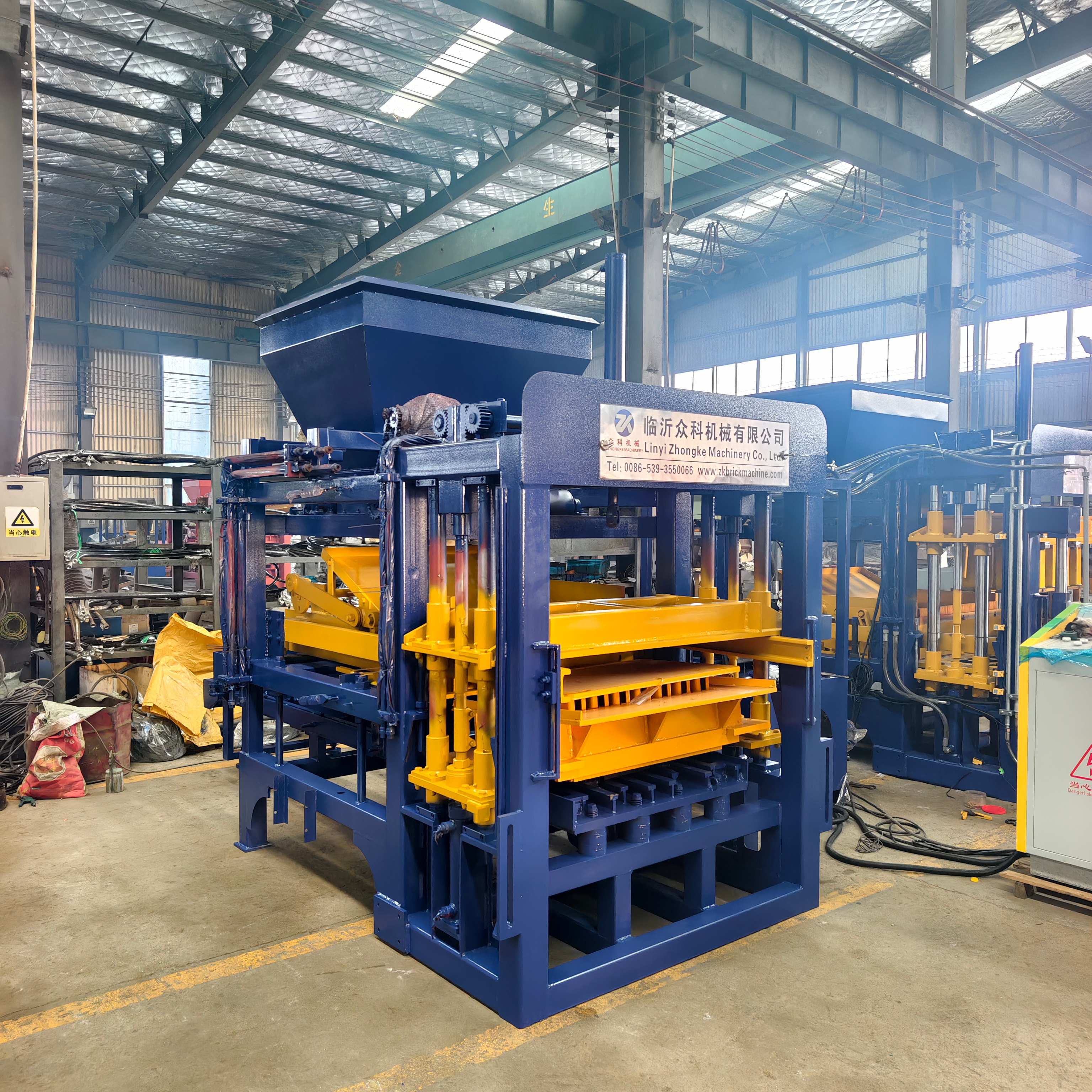
Understanding Block Cutting Machines and Their Applications
Block cutting machines serve various industries, including construction, stone processing, and manufacturing. Understanding their applications helps in choosing the right machine. These machines are designed to cut large blocks of materials like granite, marble, and concrete into manageable sizes.
According to industry reports, the global stone cutting machine market is projected to grow by 6.5% annually until 2026. Factors influencing this growth include the increasing demand for intricate stone designs and durable construction materials. In construction, block cutting machines enhance efficiency, minimizing material waste. Over 70% of construction firms noted improved productivity after upgrading their equipment.
Choosing a block cutting machine requires understanding your specific needs. Not all machines offer the same capabilities. Some are ideal for precise cuts, while others excel in speed. User experiences indicate that budget constraints often lead to mismatched choices, underscoring the importance of evaluating return on investment. The right choice may mitigate operators' fatigue. A machine that simplifies operation often outperforms a high-end model that is cumbersome to use.
Key Factors to Consider When Choosing a Block Cutting Machine
When selecting a block cutting machine, understanding key factors is crucial. One major consideration is the type of material you'll be cutting. Different machines handle various materials differently. If you’re focusing on AAC blocks, choose a machine specifically designed for lightweight materials. This prevents damage and ensures precision.
Another factor is the machine's cutting capacity. Evaluate the thickness and size of the blocks you need to handle. Some machines may struggle with larger dimensions. Think about your workflow. Will you cut many blocks continuously, or just a few? A balance between power and efficiency is essential.
Besides technical specifications, consider the user experience. A machine may be powerful but complicated to operate. Ease of use is vital for maintaining productivity. Ensure the machine you choose has a solid support network. This can save you time and frustration later. Reflect on your specific needs and the machine's advantages to find the best fit. An Aac Block Cutting Machine should align with your operational goals efficiently.
Types of Block Cutting Machines: A Comprehensive Overview
When selecting a block cutting machine, understanding the types available is crucial. Each machine serves different purposes based on the material and thickness of the blocks. For instance, a masonry block cutting machine is ideal for traditional masonry projects. It handles concrete blocks efficiently.
A diamond wire saw offers precision cuts in various materials. This machine is favored for its speed and accuracy. It's suitable for large-scale operations where consistency is vital. Always consider the material you're working with before making a decision.
Tips: Ensure the machine has a robust power supply. This impacts the cutting efficiency significantly. Pay attention to the blade quality too; this determines the longevity and performance of the machine.
Another option includes hydraulic block cutters. They provide immense pressure for cutting thicker concrete. While they can be costly, their durability makes them a worthwhile investment. Assess your long-term needs versus immediate costs. Rethink your choice if you notice frequent repairs or high operational costs. Maintaining a good balance between price and performance is essential in choosing the right Concrete Block Cutting Machine.
Evaluating Power and Speed for Optimal Performance
When selecting a Stone Block Cutting Machine, evaluating power and speed is crucial. The machine’s motor power directly influences its cutting capabilities. Research indicates that machines with 5-10 horsepower are suitable for most masonry tasks. However, for larger blocks or harder stones, a power range of at least 10-15 horsepower may be necessary to maintain efficiency.
Speed is another critical parameter. The blades’ rotation speed, typically measured in RPM, affects both the cutting precision and the overall finish. For example, a speed of 2800-3600 RPM is standard for many cutting machines. A higher RPM can lead to quick cuts but may compromise accuracy on intricate designs. Newer models often incorporate variable speed settings. These allow for adaptation based on the material being cut, thus enhancing versatility.
It's essential to reflect on the specific needs of your projects. Not all jobs require high speeds or maximum power, and oversizing your machine can lead to unnecessary costs. Evaluating the stone types and the intended usage of the Stone Block Cutting Machine ensures you make an informed choice. Balancing power and speed with your actual requirements will lead to optimal performance outcomes.
Power and Speed Evaluation for Block Cutting Machines
Assessing Safety Features and User Friendliness
When selecting the right Foam Block Cutting Machine, user friendliness and safety features are paramount. A machine that offers intuitive controls allows operators to focus on productivity rather than struggling with complex settings. A 2023 industry survey indicated that user-friendly machines can increase productivity by up to 25%. Easy-to-read displays and well-placed buttons can significantly enhance overall efficiency.
Safety features are non-negotiable when choosing a cutting machine. Machines should have safety guards and emergency stops to minimize risks. According to a recent safety report, 30% of workplace injuries stem from machinery mishandling. Machines designed with ergonomic considerations can help reduce operator fatigue. Features like anti-slip surfaces and adjustable heights make a Foam Block Cutting Machine more accessible for multiple users.
While many machines boast advanced features, some may overlook basic safety protocols. It's essential to ensure that any machine considered meets industry standards for safety. Investing time to assess these features could save costs related to injuries or downtime. Ultimately, a balance of usability and safety is key to maximizing both performance and protection in your operations.
Budget Considerations for Your Block Cutting Machine Purchase
When considering the purchase of a block cutting machine, budget plays a crucial role. A recent industry report indicates that businesses should expect to invest between $15,000 and $30,000 for a mid-range machine. This range reflects the diversity in features and capabilities available in the market. It’s important to identify your production needs before making a financial commitment.
Analyzing overall costs, you also need to factor in maintenance. Annual maintenance costs can reach up to 15% of the initial machine price. Regular upkeep can prevent costly repairs down the line. Many operators overlook the long-term expenses associated with purchasing equipment. This oversight can impact cash flow and profitability.
Before finalizing your decision, consider the potential return on investment (ROI). A well-chosen machine should increase output and efficiency. Reports show that businesses can see a 25% productivity increase when utilizing the right equipment. However, ensure that the machine can meet your specific needs without going over budget. Balancing initial costs with expected productivity gains can help you make a more informed choice.
Maintenance Tips for Longevity and Efficiency
Maintaining a block cutting machine is essential for its longevity and performance. Regular upkeep ensures optimal efficiency and can prevent costly repairs. Users often overlook minor issues that can escalate into major problems. One tip is to conduct daily inspections for any signs of wear or damage. A small crack can lead to bigger faults down the line.
Lubrication is crucial for machine parts. It minimizes friction and helps keep components in top condition. Neglecting this simple task can reduce the machine's lifespan. Use appropriate lubricants for different sections of the machine to ensure smooth operation. Pay attention to the manufacturer's guidelines for specific lubrication points.
Dust accumulation is another common oversight. It can disrupt the mechanical functions of the machine. Make it a habit to clean the machine after use. A short cleaning session can save time and effort in more extensive maintenance later. Staying proactive will help maintain the machine’s efficiency and prolong its service life.
FAQS
: Evaluate power and speed. A motor with 10-15 horsepower is ideal for harder stones.
Higher RPM allows for quicker cuts but can compromise accuracy. Balance is key for intricate designs.
Standard cutting machines operate between 2800-3600 RPM for effective performance.
Expect to invest between $15,000 and $30,000 for a mid-range machine based on features.
Annual maintenance may cost up to 15% of the machine's initial price. Regular upkeep is crucial.
Conduct daily inspections for wear. Minor issues, if ignored, can become significant problems later.
Proper lubrication reduces friction and prevents damage, prolonging the machine’s lifespan and efficiency.
Dust buildup can disrupt mechanics. Regular cleaning after use is essential for optimal performance.
Yes, a better machine can increase output by 25%. Ensure it meets needs without exceeding your budget.
Balance your actual requirements with initial costs to avoid unnecessary expenses and enhance productivity.
Conclusion
When selecting the best Block Cutting Machine tailored to your needs, it’s essential to understand the various applications these machines serve. Consider key factors such as the type of materials you will be cutting and the scale of your projects. A comprehensive overview of the types of Block Cutting Machines available will aid in identifying which model aligns with your specific requirements.
Evaluating the power and speed of a Block Cutting Machine is crucial for ensuring optimal performance. Additionally, prioritizing safety features and user-friendliness enhances the overall experience. Budget considerations also play a significant role in your purchase decision. Finally, implementing maintenance tips will contribute to the longevity and efficiency of your machine, ensuring it meets your cutting needs for years to come.

 Linyi City, China