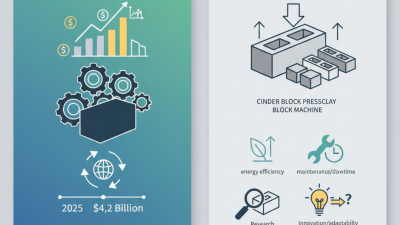
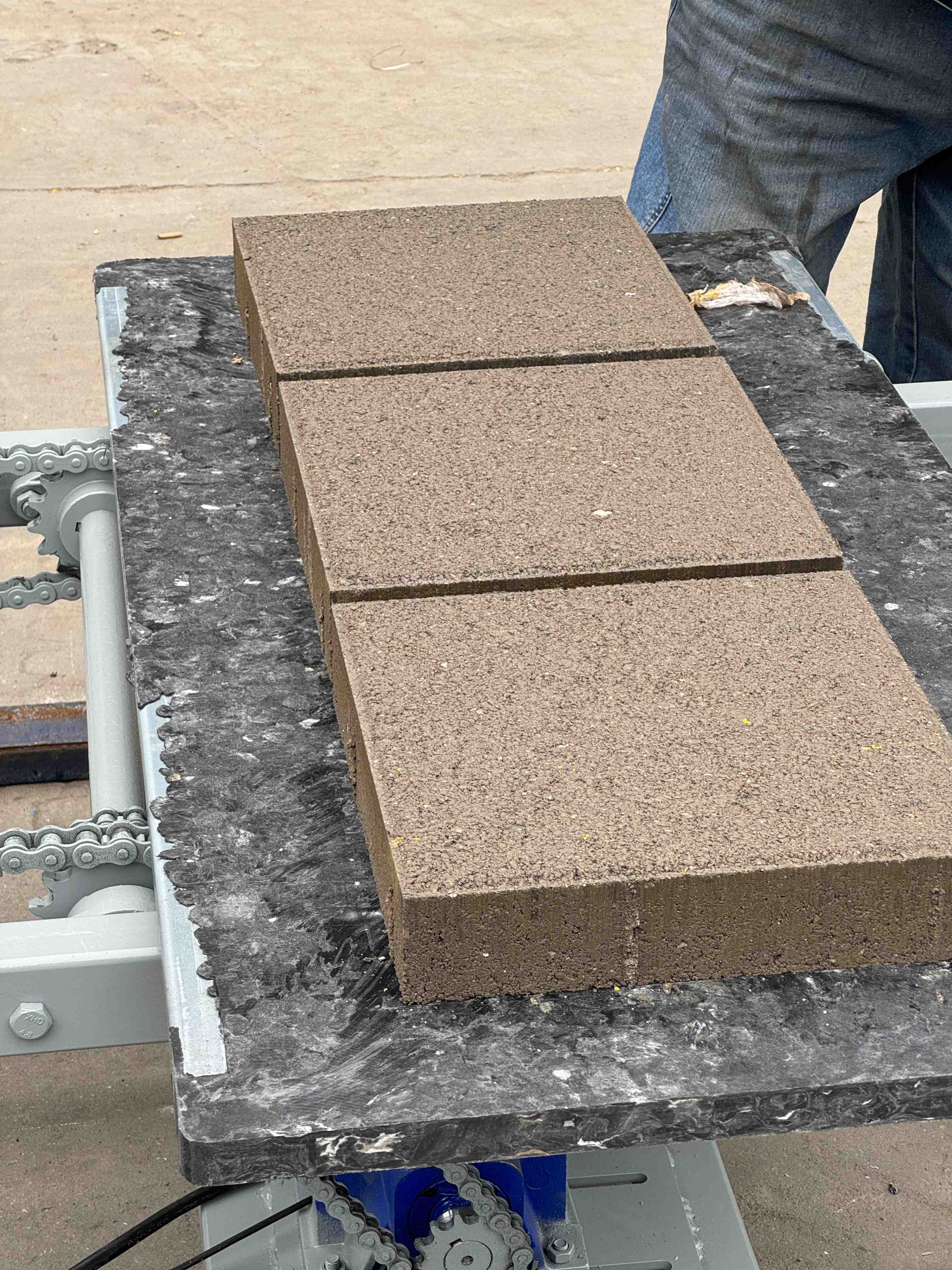
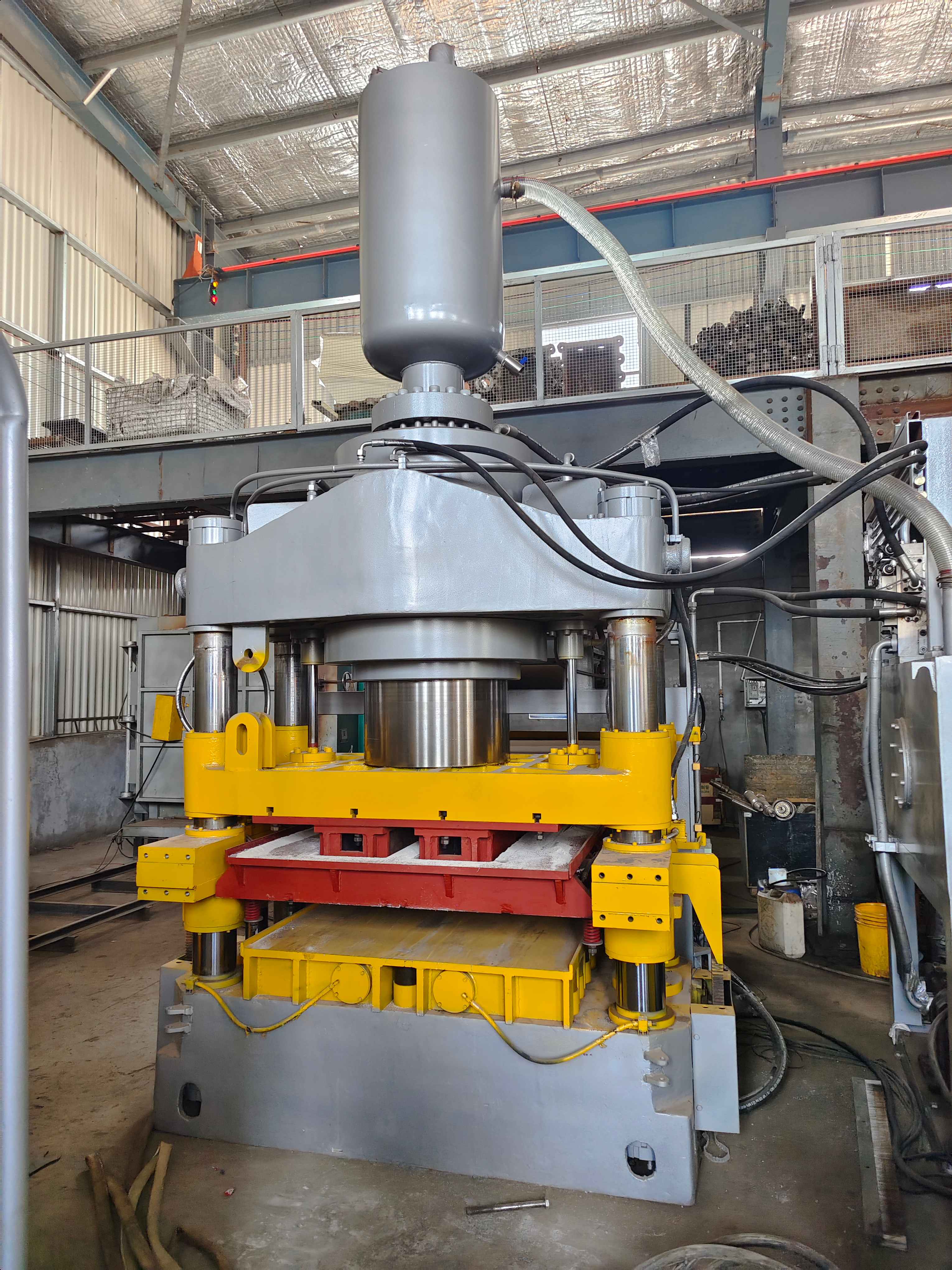
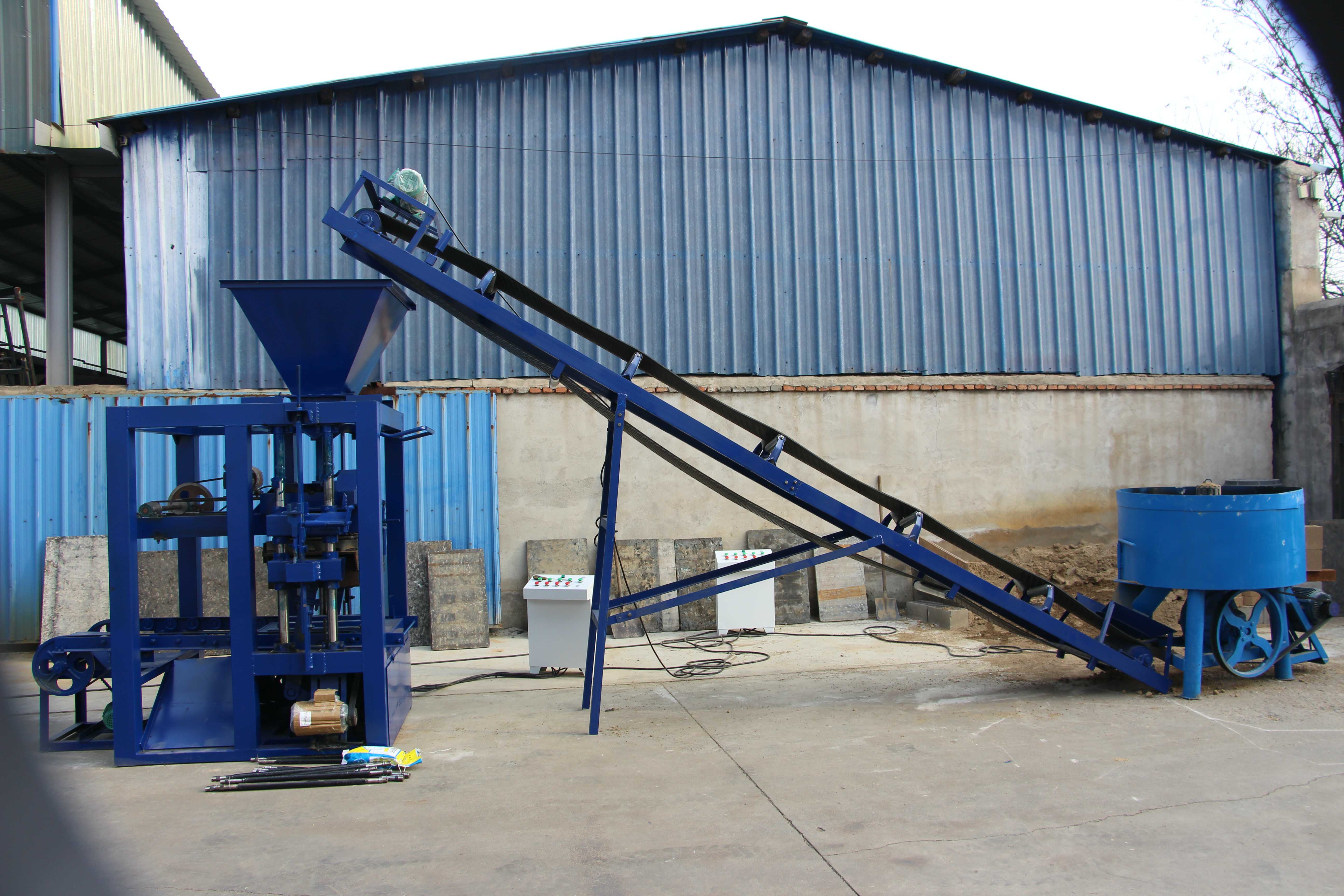
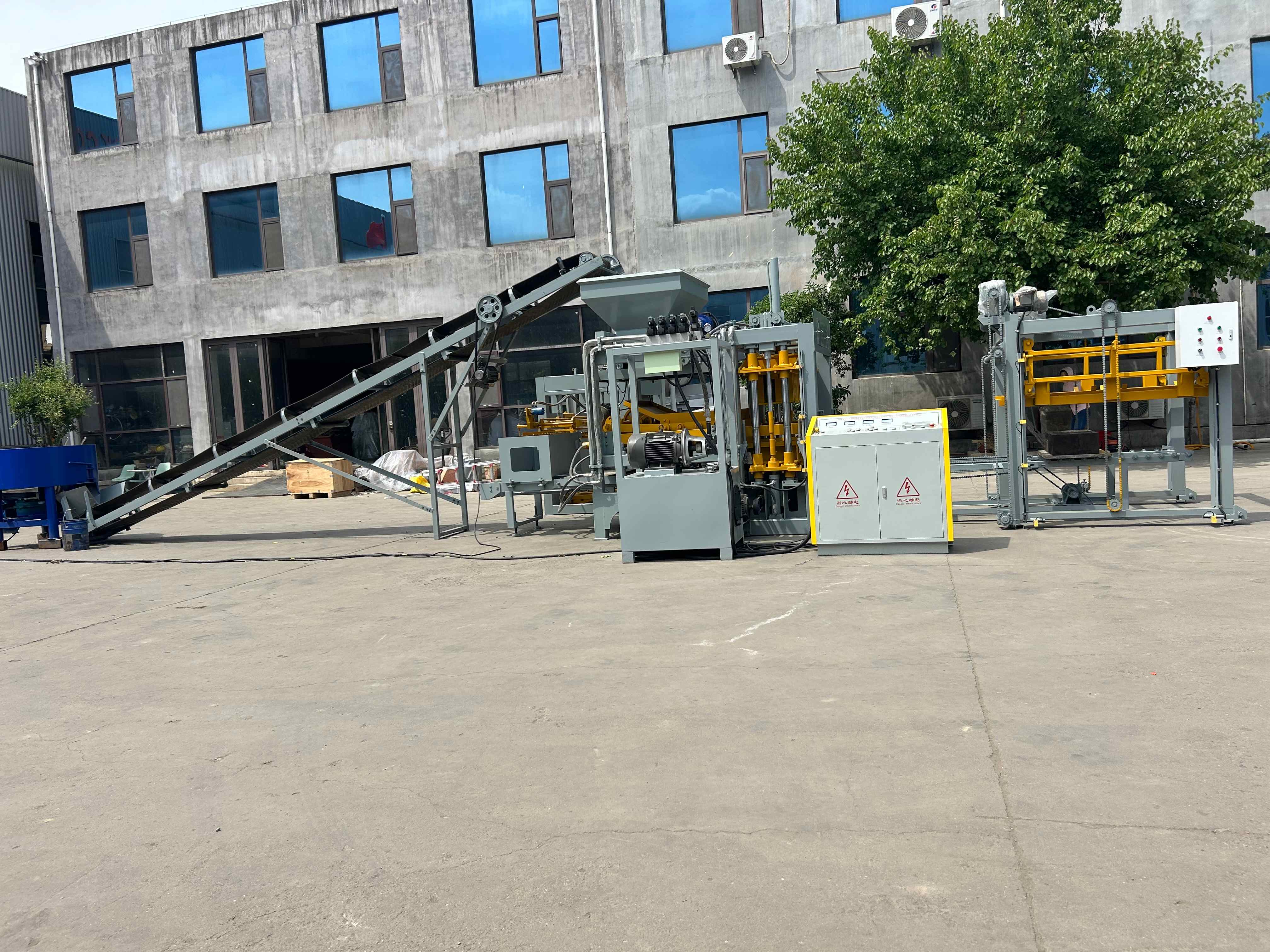
Lately, the construction world has been turning more and more to advanced machinery to speed things up and cut costs. One pretty cool innovation is the Cement Block Machine. It’s a key player when it comes to making high-quality blocks for all sorts of building projects. According to a report from the Global Construction Materials Market, cement demand is expected to hit around 5.5 billion tons by 2025. That kind of growth really highlights how important it is to have reliable, efficient equipment that can keep up with the industry’s pace.
If you’re thinking about buying a wholesale Cement Block Machine from reputable Chinese manufacturers, there are quite a few perks. These companies typically offer cutting-edge tech at really competitive prices. Brands like LONTTO Group and Aimix Group have made some serious progress in crafting machines that are both tough and efficient. But, fair warning—it's super important to pay attention to quality checks and after-sales support. Not all manufacturers are on the same level, and that can cause headaches later on if you’re not careful.
Choosing the right Cement Block Machine is a pretty big deal for folks in construction. The right pick can help get your projects done faster and save some cash in the process. At the same time, you’ve gotta think about what your specific needs are and how much you’re willing to spend. Doing a bit of homework, comparing options, and making smart choices will pay off big time—helping your projects go smoothly without a hitch.
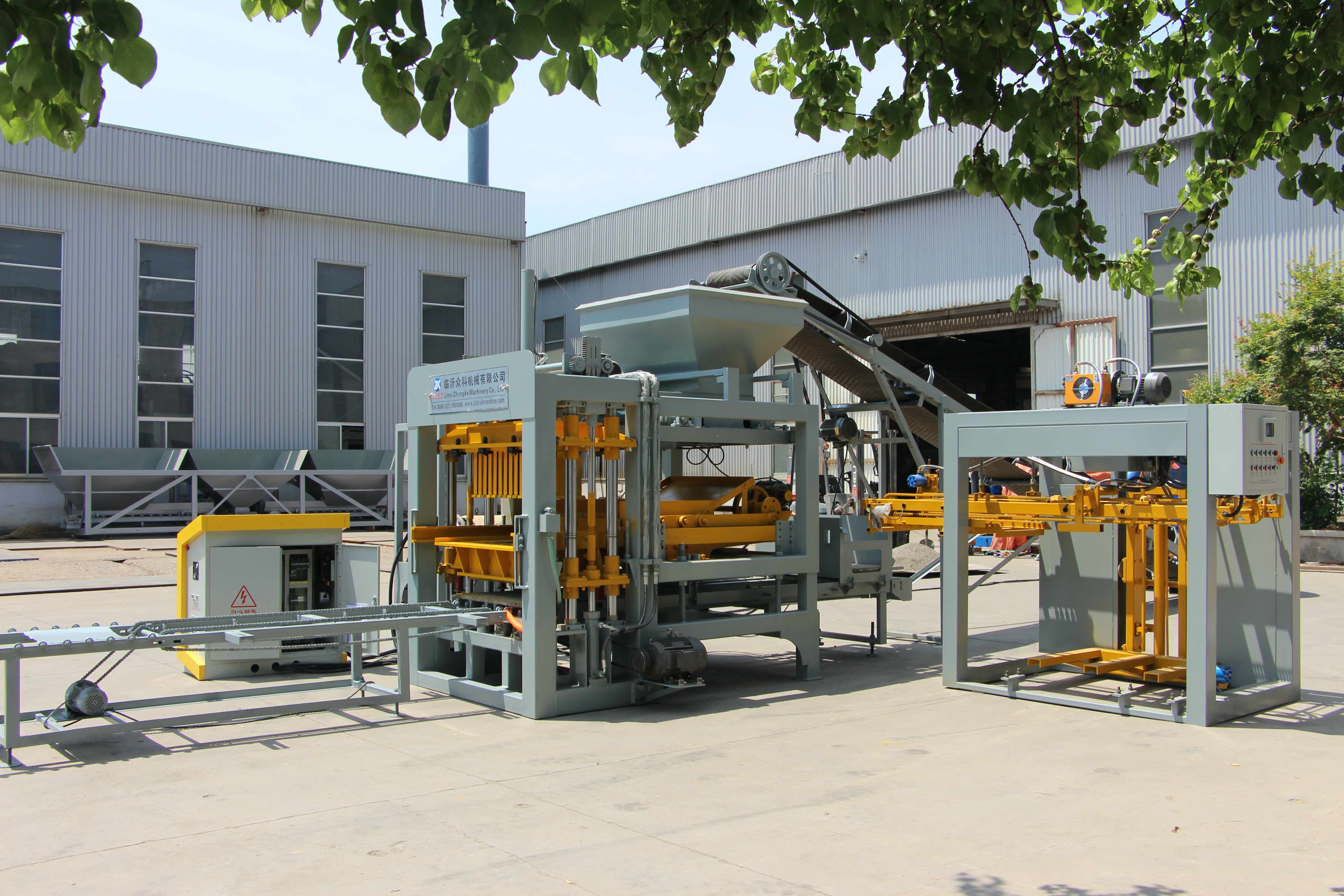
When it comes to construction, efficiency is key. Using a wholesale Cement Block Maker Machine can significantly improve productivity. These machines are designed to produce high-quality blocks quickly. This speed is essential for meeting tight deadlines in construction projects. Moreover, wholesale options often come at reduced prices, allowing builders to save on costs.
Durability is another factor to consider. Cement blocks made with these machines tend to be stronger and more reliable. This strength contributes to the longevity of structures. However, not all machines are created equal. It's vital to research the specific specifications and capabilities of different models. Some machines may have limitations that could affect production quality.
While the benefits are clear, utilizing a Cement Block Maker Machine requires careful planning. Operating these machines effectively demands skilled labor. Not every workforce may be equipped with the necessary training. Additionally, maintaining the machinery is crucial to avoid unexpected downtime. A lack of regular maintenance can lead to costly repairs and project delays. Therefore, investing in training and proper upkeep is essential for maximizing efficiency and ensuring reliability in your construction efforts.

Choosing a wholesale China cement block machine can significantly lower costs for builders. These machines are designed to produce high-quality concrete blocks quickly and efficiently. By purchasing in bulk, builders benefit from reduced material costs, which can result in substantial savings on large projects.
The cost efficiency of wholesale cement block machines is not just about lower prices. These machines come with advanced technology, which enhances their production capabilities. Builders can create a variety of block sizes and shapes, accommodating different construction needs. The initial investment might seem high, but the return on investment is typically realized through faster project completion times and lower labor costs.
However, it’s important to consider the long-term implications. Relying solely on one supplier or technology may limit adaptability in future projects. Builders should evaluate the machine's capacity and maintenance needs. Understanding potential downtime is crucial for project planning. Striking a balance between cost efficiency and reliability is key when selecting a Cement Block Making Machine.
The cement block machine industry in China has seen remarkable technological advances in recent years. These innovations have enhanced efficiency and reduced production costs. Automation is becoming more prevalent. Machines now operate with greater precision and speed. Advanced control systems allow for easy monitoring of the manufacturing process. This helps companies maintain high quality in their products.
Many manufacturers are focusing on eco-friendly technologies. They are developing machines that use less energy and produce fewer emissions. This shift is essential in today's construction landscape. However, some operators struggle to adapt to these new systems. Training is necessary but often overlooked. The transition can be challenging, leading to potential inefficiencies.
Cement Block Manufacturing Machines are now equipped with smarter features. Some offer real-time data analytics. This allows for better decision-making and predictive maintenance. However, the rapid pace of innovation can leave some manufacturers behind. It is crucial for companies to stay updated with trends. Frequent training sessions and workshops can foster a culture of continuous improvement. This way, businesses can harness the full potential of technology in their production processes.
| Feature | Description |
|---|---|
| High Efficiency | Advanced technology increases production speed and reduces labor costs. |
| Cost-Effectiveness | Wholesale pricing offers significant savings compared to local suppliers. |
| Durability | Machines are built with high-quality materials ensuring longevity and less maintenance. |
| Versatility | Suitable for producing various types of cement blocks for different construction needs. |
| Technological Innovation | Continuous advancements in automation and control technologies enhance performance. |
| Support and Service | Access to comprehensive after-sales support, including installation and training. |
When considering cement block machines for construction, the production capacity is critical. Wholesale options typically offer higher production capacity compared to retail models. A wholesale China cement block machine can produce thousands of blocks daily. This efficiency can significantly reduce construction time and labor costs.
A retail cement block machine, while often more accessible, may not meet the high demands of larger projects. The output is lower, and you might face production delays. For larger builders or contractors, investing in a wholesale option seems logical. A Cement Block Cutter Machine enhances the block-making process by providing precision. This precision is important for ensuring uniformity in size, which leads to better fitting in construction applications.
Choosing a wholesale machine is about balancing cost and productivity. Many contractors question if they really need such high capacity. Reflecting on past projects might reveal that higher output could have saved time and resources. It's worth considering how production speed translates to overall project success.
This chart illustrates the production capacity of wholesale versus retail cement block machines. As shown, wholesale cement block machines can produce significantly more blocks per hour compared to retail machines, making them a more efficient choice for large-scale construction needs.

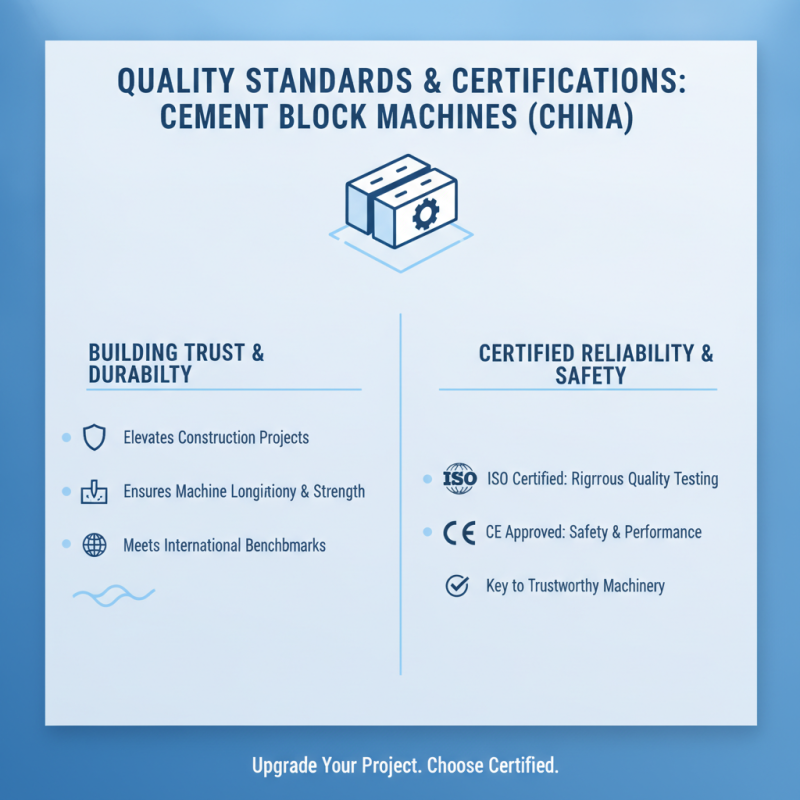
Choosing a wholesale cement block machine from China can significantly elevate your construction project. Quality standards play a vital role in ensuring the durability and integrity of the machines. Each machine should meet international benchmarks. Certifications like ISO and CE indicate that the machinery has passed rigorous testing. These credentials ensure reliability and safety.
In your selection process, it's important to verify these certifications. Not all manufacturers maintain the same quality control. Inspecting the production process and quality tests is essential. Some machines may look great but fail to meet real-world performance.
Investing in certified equipment minimizes potential issues on job sites. Machines that don’t adhere to standards can lead to construction delays. They may produce inferior blocks that compromise structural integrity. Always prioritize machines with clear quality documentation. Balancing cost and assurance is crucial in making an informed choice.
When considering sustainable practices in cement block manufacturing in China, it's essential to note the industry's significant advancements in reducing environmental impact. Reports indicate that over 30% of cement production now utilizes recycled materials, showcasing a shift towards eco-friendly alternatives. This reduction not only conserves natural resources but also diminishes the carbon footprint associated with traditional manufacturing processes.
Moreover, innovations in technology have led to the development of energy-efficient machines. These machines consume up to 50% less energy than their predecessors, making the production process more sustainable. Water recycling systems have been implemented in many plants, cutting water usage by nearly 40%. This creates a more responsible approach to resource management, a critical factor in today's construction needs.
Tip: Always inquire about energy efficiency ratings and recycled material usage when selecting a cement block machine. Understanding these factors helps ensure that your investment aligns with sustainable practices.
While progress is evident, challenges remain. The cement industry still faces scrutiny regarding emissions. Addressing this requires ongoing commitment and innovation. Furthermore, the reliance on non-renewable resources continues to pose a risk. A critical evaluation of these practices can enhance sustainability efforts across the sector.
Tip: Regularly review the sustainability reports of manufacturers to stay informed on their practices and improvements. This habit fosters accountability in your sourcing decisions.
The demand for cement block machines is rising sharply in the construction sector. Recent reports indicate that the global market for these machines is projected to reach USD 3.3 billion by 2027, driven by increased urbanization and infrastructure development. Cement blocks are essential for construction due to their strength and durability. More builders are recognizing the benefits of efficiency and cost-effectiveness associated with cement block machines.
In regions like Asia-Pacific, the growth rate is particularly notable. In this area alone, market growth is expected to exceed 5% annually during the forecast period. This trend highlights a shift towards automated solutions that enhance production capacity. However, the challenge remains in ensuring quality. Many manufacturers struggle to meet international standards. This inconsistency can impact project outcomes negatively.
Investing in a wholesale cement block machine from China makes sense for many builders. This option can lower costs significantly, while still providing advanced technology. However, potential buyers must conduct thorough research. Not all suppliers maintain rigorous quality checks. Trustworthiness and reliability can vary widely. Only by ensuring rigorous quality control can builders benefit truly from these machines.
The global block molding machinery market is witnessing significant advancements, particularly in the realm of high-speed automatic equipment. Recent reports indicate an accelerating demand for manufacturing solutions that promise ultra-high-speed output and robust production capacities. This surge is propelled by the need for efficiency in production processes, with the latest automated machinery being designed to cater to the fast-paced requirements of modern industries.
The implementation of high-pressure and high-vibration technology in manufacturing not only enhances productivity but also ensures superior quality in every finished product. Industry data shows that manufacturers adopting these cutting-edge solutions can experience up to a 30% increase in operational efficiency. Furthermore, the versatility of these machines allows for the processing of various materials, making them an ideal choice for diverse applications within the market. As businesses strive to optimize their equipment usage, multi-functional designs emerge as key drivers for sustainable growth and competitiveness.
In a landscape where production efficiency directly correlates with market success, the ability to adapt and innovate is crucial. Trusting in advanced manufacturing solutions equips companies with the necessary tools to elevate their production lines. Embracing these technological advancements not only meets current demands but also positions enterprises strategically for future challenges, cementing their role as leaders in the global market.
: Wholesale cement block machines significantly lower costs by reducing material expenses and enhancing production capabilities.
Advanced technologies allow for the production of various block sizes and shapes, meeting diverse construction needs.
While initial costs may be high, the return on investment comes from faster project completion and reduced labor costs.
Yes, relying solely on one supplier may limit adaptability for future projects and affect overall long-term flexibility.
Certifications like ISO and CE ensure machines have passed rigorous testing, which affects reliability and safety.
Machines without quality verification can lead to delays and produce inferior blocks, compromising structural integrity.
Understanding maintenance needs and potential downtime is vital for effective project planning and long-term efficiency.
Prioritizing certified equipment with complete quality documentation helps mitigate risks while managing costs effectively.
Builders must balance initial costs against quality, versatility, and long-term operational reliability of the machines.
There may not be a one-size-fits-all answer. Each project has unique needs that require careful consideration.
The article discusses the numerous advantages of opting for wholesale cement block machines, particularly in the construction industry. It highlights cost efficiency, as wholesale machines typically offer builders significant savings compared to retail options. Technological advancements within China's cement block machine industry are also examined, showcasing innovations that enhance production capacity and improve overall performance.
Furthermore, the article addresses essential quality standards and certifications that ensure the reliability and safety of these machines. Sustainability practices in cement block manufacturing are considered, emphasizing the industry's shift towards environmentally friendly processes. Lastly, it outlines current market trends and the growing demand for cement block machines, indicating a robust future for this sector in construction. Overall, choosing wholesale cement block machines presents a practical and economically viable solution for builders looking to optimize their operations.