Leave Your Message
AI Helps Write
0%

The construction world is always looking for more sustainable ways to build, right? One of the coolest innovations lately is the No Burning Brick Machine. Humans have been reporting that using these machines can cut down carbon emissions by over half—which is pretty significant! Given how much the brick-making industry contributes to environmental damage, this really could be a game-changer.

Experts like Dr. Robert Liu, who’s pretty much a go-to guy when it comes to eco-friendly construction, stress just how important this tech is. He says, “Getting on board with the No Burning Brick Machine is key for a cleaner, greener future.” That said, even with all these benefits, a lot of folks are still finding it tough to make the switch smoothly.

There are definitely some hurdles—things like operations and training can be tricky. Not every facility is ready to jump right in with these machines, and the whole process needs careful planning and lots of sharing of knowledge. Using a No Burning Brick Machine isn’t just about technology; it’s a mindset shift, a real commitment to more sustainable practices that needs constant reflection and effort to get better at.
海报3.jpg

Understanding No Burning Brick Machines: An Overview

No burning brick machines are a vital part of sustainable construction. They offer an eco-friendly solution to brick production. These machines utilize raw materials like mud, reducing the need for energy-intensive processes. Effects on the environment are minimal, making them attractive to builders and developers. Yet, operating these machines effectively is not always straightforward.

Understanding their mechanics is key. These machines often require specific moisture levels in the material. Too little moisture, and the bricks may crumble. Too much can lead to longer drying times. Adjustments might feel tedious, yet they are necessary for quality control. In practice, it's not uncommon to see operators struggle with consistency.

Regular maintenance is essential. Operators must check hydraulic systems and molds frequently. Neglecting this can lead to unexpected failures. It's frustrating when a machine malfunctions mid-production. This reality calls for a proactive approach to machine care. Having a reliable team is equally important. Communication gaps can lead to mishaps. Building a strong team can elevate efficiency, especially when working with a Mud Brick Machine.

Essential Components of No Burning Brick Machines

No burning brick machines are becoming popular for their efficiency and eco-friendliness. Understanding their essential components can help operators maximize their performance. One crucial part is the mixing unit. It combines raw materials like soil, sand, and water. The right proportions lead to strong bricks. However, many new users struggle with achieving the correct mixture. It requires careful attention and practice.

Another key component is the pressing mechanism. It shapes the raw mixture into bricks. The pressure applied must be consistent. Too much or too little pressure can affect brick quality. Operators often find this challenging. They might need to adjust settings based on material types or moisture content. Regular monitoring is essential for optimal results.

Finally, the curing process is vital for brick strength. Curing must be done properly to avoid cracks. Rushing this step can lead to weak products. Operators sometimes overlook it, focusing more on production speed. This can lead to frustration and low-quality output. Reflecting on each of these components helps in improving overall efficiency. Operators should continually review their processes and make adjustments as needed.

Effective Operation of No Burning Brick Machine

This chart illustrates the essential components of a No Burning Brick Machine and their corresponding effectiveness rating on a scale of 1 to 10.

Setting Up Your No Burning Brick Machine for Optimal Performance

How to Operate No Burning Brick Machine Effectively?

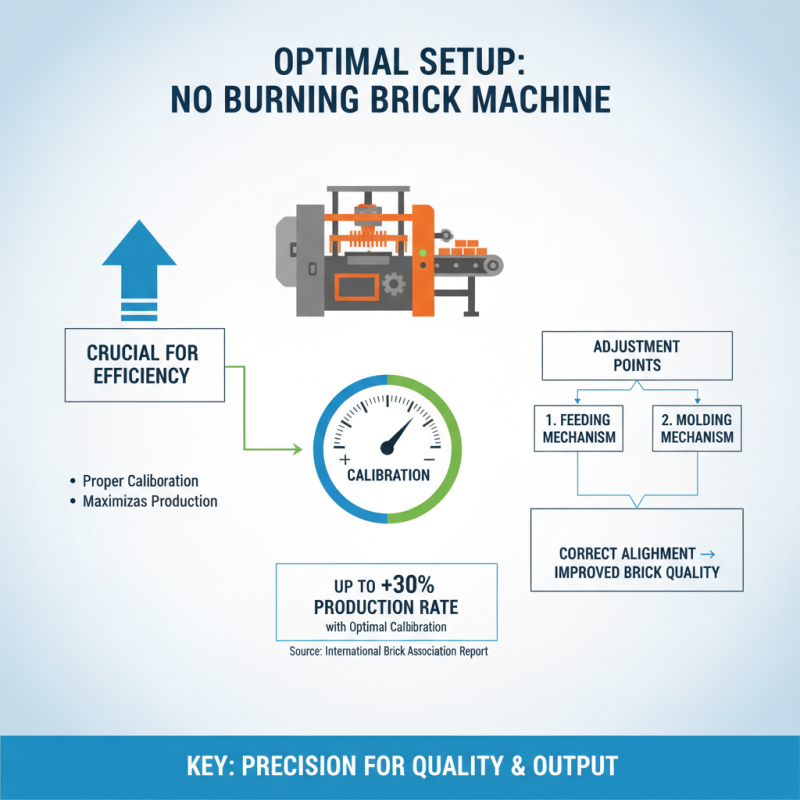
Setting up your No Burning Brick Machine is crucial for maximizing efficiency. It is essential to ensure that the machine is properly calibrated. According to a report by the International Brick Association, optimal calibration can increase production rates by up to 30%. This can be achieved by carefully adjusting the feeding and molding mechanisms. The right alignment impacts the quality of the bricks significantly.

Understanding the specific input materials is necessary for consistent results. The ideal moisture content for clay should be around 18% to 22%. Exceeding this range can lead to poor brick integrity and unexpected downtimes. This means constant monitoring of your materials is key. Small variations can have big consequences, and overlooking them can result in production losses.

Additionally, regular maintenance should not be ignored. Dust and debris can impact the machine’s performance. An analysis indicated that neglecting maintenance reduces output by 25%. Investing time in routine checks pays off. Ensure all components work smoothly to avoid operational hiccups. A well-maintained Clay Brick Machine operates at peak performance.

Step-by-Step Guide to Mixing Raw Materials Properly

Mixing raw materials for a no burning brick machine requires precision. The right mixture affects the final product's durability and quality. Reports show that a 10% change in ingredient proportions can lead to a 15% decline in strength. Therefore, consistency is key.

Tips: Use a digital scale. This ensures accurate measurement every time. Evaluate local materials' moisture and aggregate properties. Improperly measured water content can lead to soft bricks.

While you should aim for perfection, don’t overlook the importance of imperfections. Sometimes, variations in mixtures reveal innovative outcomes. Keep a record of any adjustments made during mixing. Analyze these notes later to refine your process with the Press Brick Machine.

Tips: Mix in small batches to compare results. If a batch fails, review your method. Discover what works best for your unique conditions. Aim for a balance of components that not only meets standards but also pushes beyond typical results.

Operating Procedures for Effective Brick Production

To operate a no burning brick machine effectively, understanding the operating procedures is crucial. Data from industry reports indicate that proper training can increase production efficiency by up to 30%. Workers must be well-versed in machine settings and maintenance. Overlooking minor adjustments can lead to operational issues that disrupt the production flow.

The ideal mixture for raw materials is also vital. Research shows that a balanced mix of clay and additives improves brick strength. Adhering to recommended moisture levels during mixing is key. If the moisture content is too high, bricks may warp during drying. If too low, the bricks can crack. Operators often forget minor checks, leading to waste.

Monitoring the curing process is equally important. Reports suggest that optimal curing times can enhance durability by up to 20%. Neglecting this step can result in bricks that do not meet quality standards. Operators should regularly inspect the curing environment. Temperature and humidity can significantly impact the outcome. Small adjustments can make a big difference in brick quality. Training and vigilance are essential for success in this process.

How to Operate No Burning Brick Machine Effectively? - Operating Procedures for Effective Brick Production

Step Description Time Required Frequency
1 Prepare raw materials such as clay, sand, and water. 30 minutes Daily
2 Mix ingredients in the mixer to form a uniform mixture. 45 minutes Daily
3 Fill the machine with the mixed material for brick formation. 15 minutes Each batch
4 Operate the machine to mold the bricks under pressure. 1 hour Each batch
5 Remove bricks and stack them for drying. 30 minutes Each batch
6 Monitor drying process and adjust the environment if necessary. Ongoing Daily

Maintenance Practices to Ensure Longevity of Your Machine

Maintaining a no burning brick machine is crucial for its longevity. Regular inspections of vital components can prevent extensive repairs. Check the hydraulic system regularly for leaks. A small leak can lead to significant issues over time. Ensure that the mixing chamber is always clean. Any residue can affect the quality of the bricks produced.

Another important aspect is lubrication. Use the recommended lubricant for moving parts. It keeps the machine running smoothly and reduces wear and tear. However, ensure you follow the manufacturer's guidelines on lubrication frequency. Over-lubrication can also cause problems. Monitor the temperatures during machine operation. Excessive heat can indicate underlying issues that need immediate attention.

Operator training is vital. Ensure that all users understand the machine's capabilities. Misuse can lead to breakdowns or accidents. Sometimes, operators might skip maintenance routines, leading to unforeseen problems. Regular training sessions help in reinforcing good practices. Reflecting on past mistakes in maintenance can improve future performance. Regular feedback can lead to better operational efficiency.

Troubleshooting Common Issues During Operation

How to Operate No Burning Brick Machine Effectively?

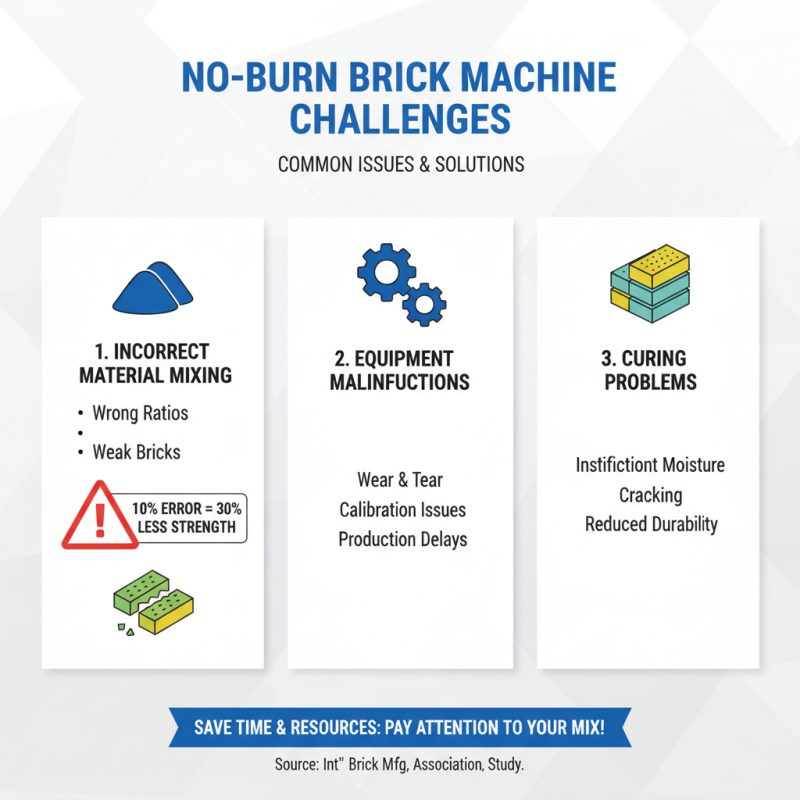
Operating a no burning brick machine can come with its own set of challenges. Identifying these common issues early can save time and resources. One common hassle is incorrect material mixing. Using the wrong ratio can lead to weak bricks. A study by the International Brick Manufacturing Association suggests that a 10% error in material ratio can reduce strength by up to 30%. Pay careful attention to your mix!

Another issue is moisture content. Too much or too little water can impact the pressing process. Ideal moisture levels should range between 10-12%. Regularly check your materials with a moisture meter. This will ensure you achieve the best results with your Brick Press Machine.

**Tips:** Always keep your machine clean. Dust and debris can cause malfunctions. Implement a regular maintenance schedule to check all components.

If you notice inconsistent brick sizes, it may point to a pressing problem. This could relate to the pressure applied or the quality of the mold. Variability in molds can lead to varying brick dimensions, which is undesirable. Fine-tuning these elements is essential for producing quality bricks.

FAQS

: What is the main purpose of the product?

: The product aims to enhance daily convenience and improve user experiences. It solves specific problems in everyday tasks.

Who can benefit from using this product?

Anyone looking for easier solutions in their daily lives can benefit. It caters to a wide range of users.

How user-friendly is the product?

The product is designed to be intuitive. Many users find it easy to use with minimal instructions.

Are there any safety concerns associated with it?

Users should follow guidelines to avoid issues. Improper use may lead to unexpected challenges.

How long does it typically last?

Longevity varies based on usage and care. Some users notice wear after a few months.

Can it be customized for individual preferences?

Customization options are available. However, some may find limits in personalization capacity.

Are there any maintenance requirements?

Light cleaning is recommended for upkeep. Neglecting maintenance can affect performance over time.

What should I do if I encounter a problem?

Reach out for support through the provided channels. Be prepared to explain the issue clearly.

Is there a return policy?

A return policy exists, but conditions apply. Check details to understand what qualifies for a return.

How can I stay updated on improvements?

Follow official channels for updates. User feedback often drives product enhancements, so share your thoughts.

Conclusion

The article "How to Operate No Burning Brick Machine Effectively?" provides a comprehensive guide for users looking to maximize the efficiency of their no burning brick machines. It begins with an overview of the machines, detailing their essential components and highlighting their operational advantages. Proper setup is emphasized, ensuring optimal performance from the outset.

A crucial section of the guide outlines the best practices for mixing raw materials, which is fundamental for effective brick production. It also includes operating procedures that enhance productivity and tips for maintenance to prolong the machine's lifespan. Lastly, it addresses common troubleshooting issues, equipping operators with the knowledge to address potential challenges during operation. This thorough approach ensures that users can effectively utilize their no burning brick machine for consistent and high-quality brick output.

Mila

Mila

Mila is a dedicated marketing professional at Zhongke Machinery Technology Co., Ltd., a leading company established in 2011 that specializes in high-quality brick-making machinery and equipment. With a deep understanding of the industry and a passion for innovation, Mila excels at highlighting the......
Previous How to Choose the Best Wholesale China Machine Block Making Solutions?